Africa-Press – Lesotho. Following Madagascar youth-led demonstrations in October which resulted in new government transition, the Southern African Development Community (SADC) on Monday convened a virtual Extraordinary Organ Troika Summit to consider the findings of the Fact-Finding Mission undertaken in the Republic of Madagascar from November 22 to 25.
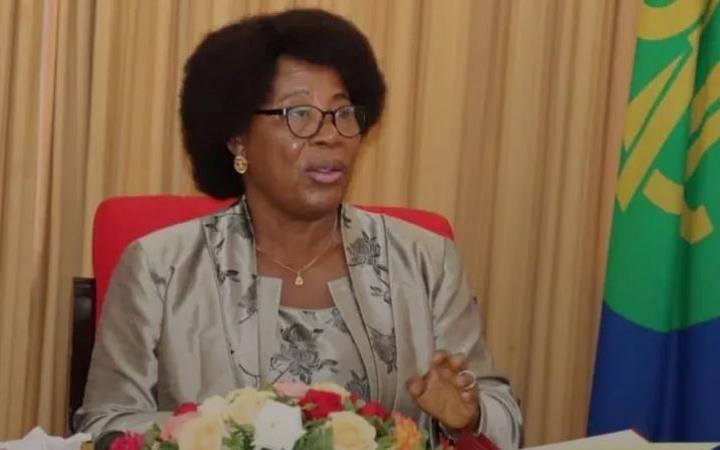
The summit chaired by First Vice President of Malawi Dr. Jane Ansah, representing President Prof. Arthur Peter Mutharika, who is the Chairperson of the SADC Organ on Politics, Defence and Security Cooperation, reviewed and cleared the Mission’s report. The report is yet to be presented to the SADC Extraordinary Summit of Heads of State and Government later this week.
The SADC Organ Troika, comprising Malawi (Chair), the United Republic of Tanzania (Outgoing Chair), and Kingdom of Eswatini (Incoming Chair), reaffirmed its strong commitment to promoting peace, security, and stability in the region.
The leaders emphasised the importance of solidarity and collective action in supporting Madagascar’s efforts to restore calm and stability.
The United Republic of Tanzania was represented by H.E. Amb. Dr. Emmanuel Nchimbi, Vice President, while the Kingdom of Eswatini was represented by Hon. Senator Pholile Shakantu, Minister of Foreign Affairs and International Cooperation.
In September, Madagascar protesters demanded the then President Andry Rajoelina to resign over repeated water and power cuts which later escalated to reflect wider dissatisfaction with Rajoelina’s government over high unemployment, corruption and the cost of living crisis.
Thereafter President Colonel Michael Randrianirina took over the presidency. However in November he relinquished leadership of SADC which Madagascar gained during the 45th Extraordinary Summit held in the country in August and South Africa has since been appointed as interim chair until August 2026 when Madagascar’s term ends.
Troika basis and is responsible for promoting peace and security in the SADC Region. It is mandated to steer and provide Member States with direction regarding matters that threaten peace, security and stability in the Region.