Africa-Press – South-Sudan. The Chairperson of the Specialized Committee on Information revealed that Parliament will enforce its mandate to scrutinize all oil contracts.
Oliver Mori Benjamin made this statement on Wednesday, December 3, during a workshop organised by the Media Authority and Journalists for Human Rights.
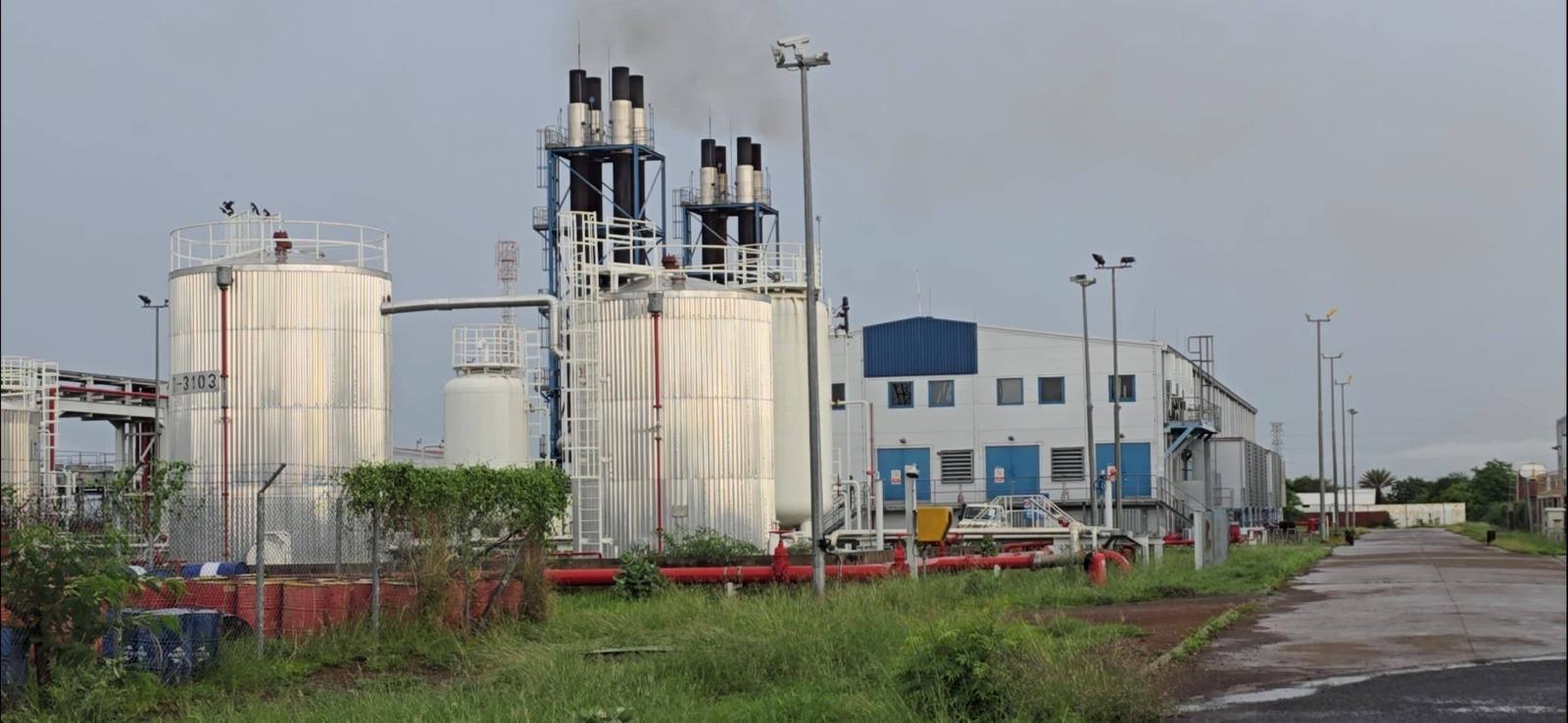
Hon. Mori confirmed that oil exploration and production companies must now submit every new agreement to the National Legislative Assembly for final approval, a measure taken to combat widespread environmental contamination in South Sudan’s petroleum sector.
He stated that the new requirement is aimed at ending years of environmental poisoning and corruption tied to opaque contracting processes.
Mori drew a stark comparison between South Sudan and other global producers, noting the nation suffers pollution levels worse than desert oil-producing regions in the Middle East.
“Why doesn’t environmental pollution occur in many other oil-producing countries as it does here in South Sudan? We’ve asked ourselves this question,” Mori stated. “Why are we the only ones suffering from environmental pollution and poisoning in our oil-producing regions?”
According to the lawmaker, a key weakness identified by Parliament is the previous method of signing agreements.
Historically, all existing contracts were finalized directly between oil firms and the relevant ministry without any parliamentary scrutiny—a process he described as fundamentally flawed.
“We said no, and we stipulated that any oil company [seeking] a contract with the government to invest in the petroleum sector must have the agreement presented to Parliament for final approval after its completion,” Mori insisted.
The National Assembly has established new, stringent conditions for the executive branch to improve governance and protect national resources.
According to the lawmaker, these conditions require parliamentary ratification for any contract concerning Oil and Gas extraction, Gold and other natural resource extraction.
He also added that contracts signed by the Ministry of Finance with development banks such as the World Bank or African Development Bank must also be ratified by Parliament to be considered valid.
Mori stressed that if these new checks and balances are respected, South Sudan could avoid many of the environmental crises and governance problems currently plaguing the petroleum sector.
“If these conditions are implemented, we will not face the problems we are currently experiencing, and no one will ask Parliament what it has done,” he concluded.
For More News And Analysis About South-Sudan Follow Africa-Press