

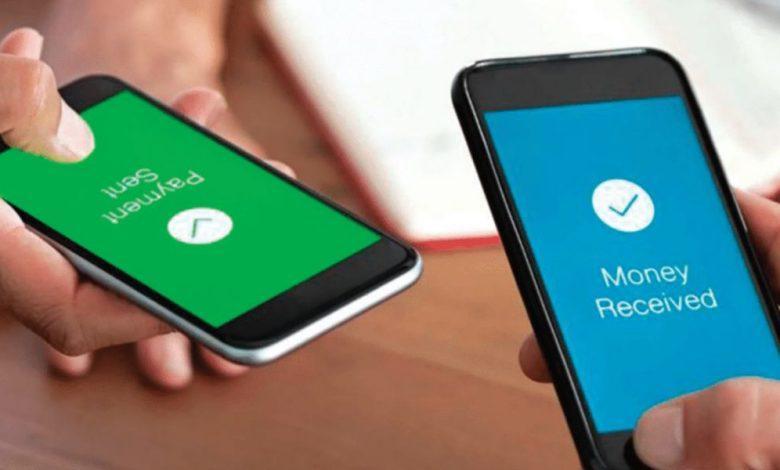
Africa-Press – Tanzania. SUB-Saharan Africa (SSA) stands as the undeniable epicentre of the global mobile money industry. While traditional banking systems struggled for decades to reach the vast, dispersed populations of the continent, the mobile phone—and the simple financial tools built upon it—have successfully bridged the gap.
This quiet revolution has not only provided access to financial services for millions of previously unbanked citizens but has also fundamentally reshaped the region’s economic landscape.
SSA Solidifies Global Leadership
According to recent industry reports from the GSMA, SSA’s dominance is clear. The region accounted for a staggering 74% of all global mobile money transactions in 2024, processing a total value exceeding $1.1 trillion.
Furthermore, Africa is home to more than 1.1 billion registered mobile money accounts, representing over half of the world’s total. This phenomenal growth is a testament to supportive regulations, high mobile network penetration, and the inherent convenience of instant, secure transactions facilitated by extensive agent networks.
The sector’s substantial contribution to the region’s GDP underscores mobile money’s role as a major driver of economic activity and resilience.
Tanzania: A Pioneer’s Ongoing Legacy
The mobile money narrative was pioneered in East Africa, and nations like Tanzania remain at the forefront of innovation and adoption. Tanzania, a market that first tested the concept of mobile money, has seen rapid growth, reflecting a strong consumer preference for mobile transactions.
Tanzania’s regulatory efforts, including promoting interoperability between different mobile networks and the recent push for crossborder global payments, are crucial for continued success. Initiatives like the Access Wezesha financial literacy programme—a partnership aimed at empowering youth with skills in saving and budgeting—highlight a targeted strategy to transition users from basic transfers to more sophisticated financial management. These efforts solidify Tanzania’s commitment to creating a digitally savvy and financially inclusive population.
Evolving Beyond Simple Transfers
The mobile money sector is rapidly evolving past its original use case of simple Person-to-Person (P2P) transfers. Users now access essential services like smallscale digital credit, insurance, and savings products built directly onto these platforms.
Additionally, the digital wallet is increasingly being used for merchant payments, effectively digitizing trade for small and medium-sized enterprises (SMEs) that previously relied exclusively on cash. For families receiving support from abroad, mobile money has become the cheapest and fastest channel for international remittances, providing vital financial lifelines.
Addressing the Digital Divide
Despite the immense breakthroughs, the industry faces structural challenges. The primary obstacle is the usage gap: while nearly all of the SSA population is covered by a mobile network, a large percentage still doesn’t use the mobile internet, which is essential for accessing the advanced, app-based financial services of the future.
Furthermore, the introduction of taxes and levies on mobile money transactions in countries like Tanzania and Uganda has, at times, led to a temporary reduction in transaction volumes, disproportionately affecting lowincome users and challenging the crucial shift from cash. Finally, a persistent gender gap in mobile money account ownership and usage across SSA remains a key policy priority that must be addressed through targeted financial and digital literacy programs.
The continued success of the mobile money revolution hinges on fostering an ecosystem where regulation supports innovation, digital literacy is prioritized, and the price of transactions remains low. Sub-Saharan Africa has already demonstrated that a mobile phone can be an economic passport; the next chapter is about ensuring that passport grants access to the full world of digital finance.