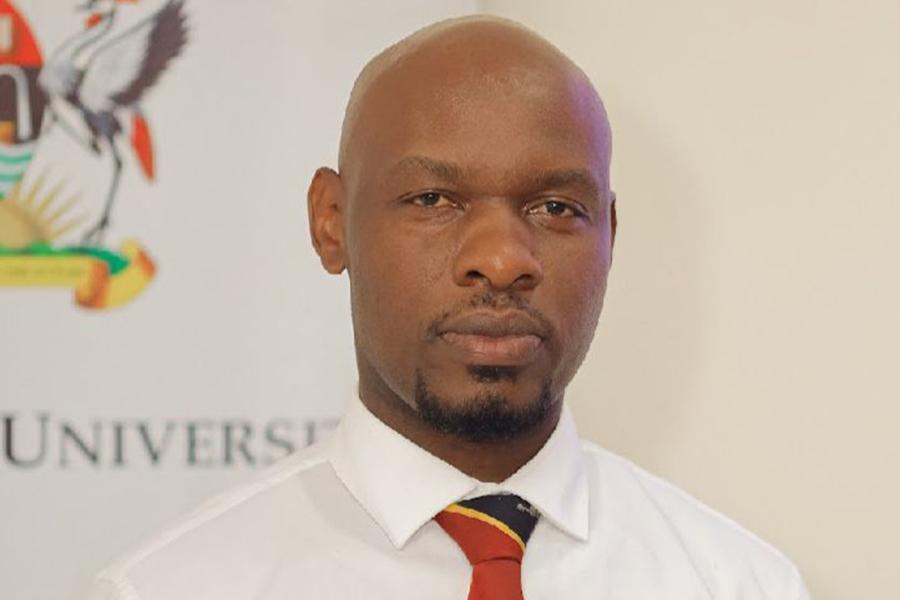
Africa-Press – Uganda. On November 25, I was invited by the National Girls Summit to officially launch the 16 Days of Activism against Gender-Based Violence as we marked the International Day for the Elimination of Violence against Women and Girls.
The global Orange Campaign began 34 years ago, founded by activists at the Center for Women’s Global Leadership at Rutgers University in New Jersey, USA. Its core objective was to frame violence against girls and women as a central human rights concern.
Beyond the 16 Days, numerous initiatives have been established to advocate, coordinate and influence policies aimed at preventing and eliminating violence against women and girls. Among these is the growing movement around the National Girls Summit.
However, amid the powerful speeches, performances and discussions at this year’s summit, my mind was drawn to the persistent gaps that continue to shape a gender-skewed approach to addressing gender-based violence.
This reflection was triggered during a networking session when a participant, whom I will call Nabbale Viola, a prominent chief executive, quietly shared her painful personal story—one that rarely finds space in mainstream GBV conversations. She asked me, “Robert, since you write in the Daily Monitor, have you ever noticed that we run the 16 Days campaign in a way that excludes the experiences of boys and men?”
She went on to reveal that she is a survivor of gender-based violence, having lost her own father, who was murdered by her mother. Fifteen years later, she said, her father’s death has never received justice. In a society where women overwhelmingly hold the ‘victim card,’ stories like hers are dismissed, minimised or completely ignored.
Just days ago, journalist Canary Mugume used his official X account to share his experience of domestic violence within his home. He wrote, “I’m part of the unreported statistics of men who experience domestic violence from partners with uncontrolled anger issues, but because we are men in the corporate world, we stay silent, show up every day.”
Statistics from the Mankind Initiative Organisation in the United Kingdom reflect similar realities. One in five men—21.8 percent—reported being victims of domestic violence in their lifetime, amounting to 5.2 million men. In 2024 and 2025 alone, 8 percent of men, or 425,000 individuals, were victims of partner or ex-partner abuse, representing 39 percent of all victims.
Canary also highlighted the deeper cultural issue in the GBV space, saying he had restrained himself despite provocations because society is inclined to believe the female partner. He added that he had evidence of bleeding after being assaulted.
Whether his story is true, partially true or disputed, it has sparked a necessary conversation about the feminisation of the fight against gender-based violence.
This growing culture of feminisation is now deeply embedded in public institutions, development agencies and multilateral bodies such as the European Union, the Commonwealth, the African Union and the United Nations.
Many of the themes adopted during the 16 Days of Activism reinforce an “us versus them” posture—women as victims, men as perpetrators. While this framing may reflect longstanding trends, it risks polarising a cause that should protect the dignity and rights of all people.
Feminist advocacy has strategically centred the GBV fight around female experiences in policymaking, funding, programming and institutional responses. This has unintentionally displaced the male experience, contributing to harmful stereotypes and creating gender imbalances.
The assumption that gender-based violence only affects women ignores the realities that boys and men also suffer violence, injustices and trauma. Men feel pain, despair and emotional and physical harm, just like any other human being. Yet they are often portrayed as insensitive or inherently violent, making it harder for male victims to be heard or believed.
Boys today face complex social barriers—from cultural expectations to limited opportunities—that expose them to vulnerability. The responses on social media after Canary’s disclosure revealed just how many men experience violence silently. Some shared stories of being dismissed when they reported abuse, branded as patriarchal or misogynistic simply for seeking help.
History also records numerous cases of men violently harmed or killed by their partners. Many married men face physical violence at home while others suffer mental health breakdowns, hypertension, addiction and imprisonment resulting from violent domestic environments.
Violence against boys and men is not exaggeration. It is a reality, and continued silence only contributes to ongoing human rights violations.
This does not dismiss or diminish the suffering of girls and women, who remain disproportionately affected by many forms of violence. However, tailoring the GBV agenda exclusively around women is not sustainable in a holistic human rights framework.
Investments in empowering women and girls will fall short if society neglects boys and men. I often ask: To whom will these empowered girls be partnered in the future if boys are left behind—caught in cycles of addiction, crime, exploitation, street life, forced labour or conflict?
It is time to dismantle gender-exclusive approaches in the fight against gender-based violence. Uganda needs open inter-gender dialogue, mindset change, and deliberate empowerment of the boy child through funding, strategy and inclusive policy reforms.
Gender-based violence affects all humans. Our response must reflect that truth.
Robert Kigongo is a sustainable development analyst.
Source: Nilepost News
For More News And Analysis About Uganda Follow Africa-Press