Africa-Press – Cape verde. Non-governmental organizations (NGOs) have warned that the war in the Middle East is preventing millions of people worldwide from receiving food and medicine, a situation that will worsen if the conflict continues.
On February 28, the United States and Israel launched a military offensive against Iran, which retaliated by closing the Strait of Hormuz – a crucial maritime route for the oil market – and launching attacks against Israel, US bases, and other infrastructure in countries in the region such as Saudi Arabia, Bahrain, the United Arab Emirates, Qatar, Kuwait, Lebanon, Jordan, Oman, and Iraq.
The situation has led to an increase in the prices of oil and other raw materials.
Humanitarian organizations have said that the conflict has not only disrupted vital maritime routes, creating a global energy crisis, but is also affecting supply chains, forcing the use of more expensive and time-consuming routes.
Routes to strategic hubs like Dubai, Doha, and Abu Dhabi have been affected, and transportation costs have skyrocketed due to increased fuel and insurance premiums.
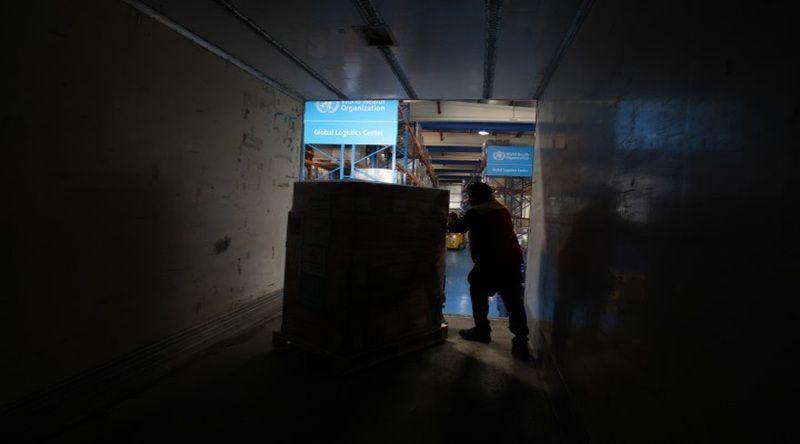
The World Food Programme says tens of thousands of tons of food are experiencing significant transportation delays.
The International Rescue Committee (IRC) has $130,000 (€113,000) worth of pharmaceuticals destined for war-torn Sudan held up in Dubai, and nearly 670 boxes of therapeutic food for severely malnourished children in Somalia held up in India.
The United Nations Population Fund says shipments to 16 countries have already been delayed.
Drastic cuts to US foreign aid have already hurt many humanitarian groups, who say the war is exacerbating the problem.
The United Nations states that this is the most significant disruption to the supply chain since the COVID-19 pandemic, with shipping costs increasing by up to 20% and delays due to the redirection of goods.
Furthermore, the war is creating new emergencies, such as in Iran, and also in Lebanon, where at least one million people have been displaced.
“The war against Iran and the disruption in the Strait of Hormuz risk pushing humanitarian operations beyond their limits,” said Madiha Raza, Associate Director of Public Affairs and Communications for Africa at the IRC.
Even when the fighting ceases, the impact on global supply chains could continue to delay vital humanitarian aid for months, Raza said.
The price increases also mean that organizations have to make difficult choices.
“In the end, the number of children served is sacrificed (…) or the amount of goods that can be bought is sacrificed,” said the president of Save the Children for the United States, Janti Soeripto.
The group stated that it has reserves in the countries where it operates, but some of them may run out in a few weeks.
Doctors Without Borders stated that the increase in fuel prices in Somalia – where about 6.5 million people face acute food insecurity – has raised transportation and food costs, making access to medical care more difficult.
In Nigeria, the IRC states that fuel prices have risen by 50% and clinics are having difficulty keeping equipment, such as generators, running, and mobile health teams have reduced their operations.
One of the biggest concerns is the impact that the war will have on global hunger.
The World Food Programme warns that if the conflict continues until June, another 45 million people will face acute hunger, adding to the nearly 320 million people already facing hunger worldwide.
About 30% of the world’s fertilizer is transported through the Strait of Hormuz, and with planting season approaching in areas such as East Africa and South Asia, smallholder farmers in poor countries could be severely affected.
For More News And Analysis About Cape verde Follow Africa-Press