What You Need to Know
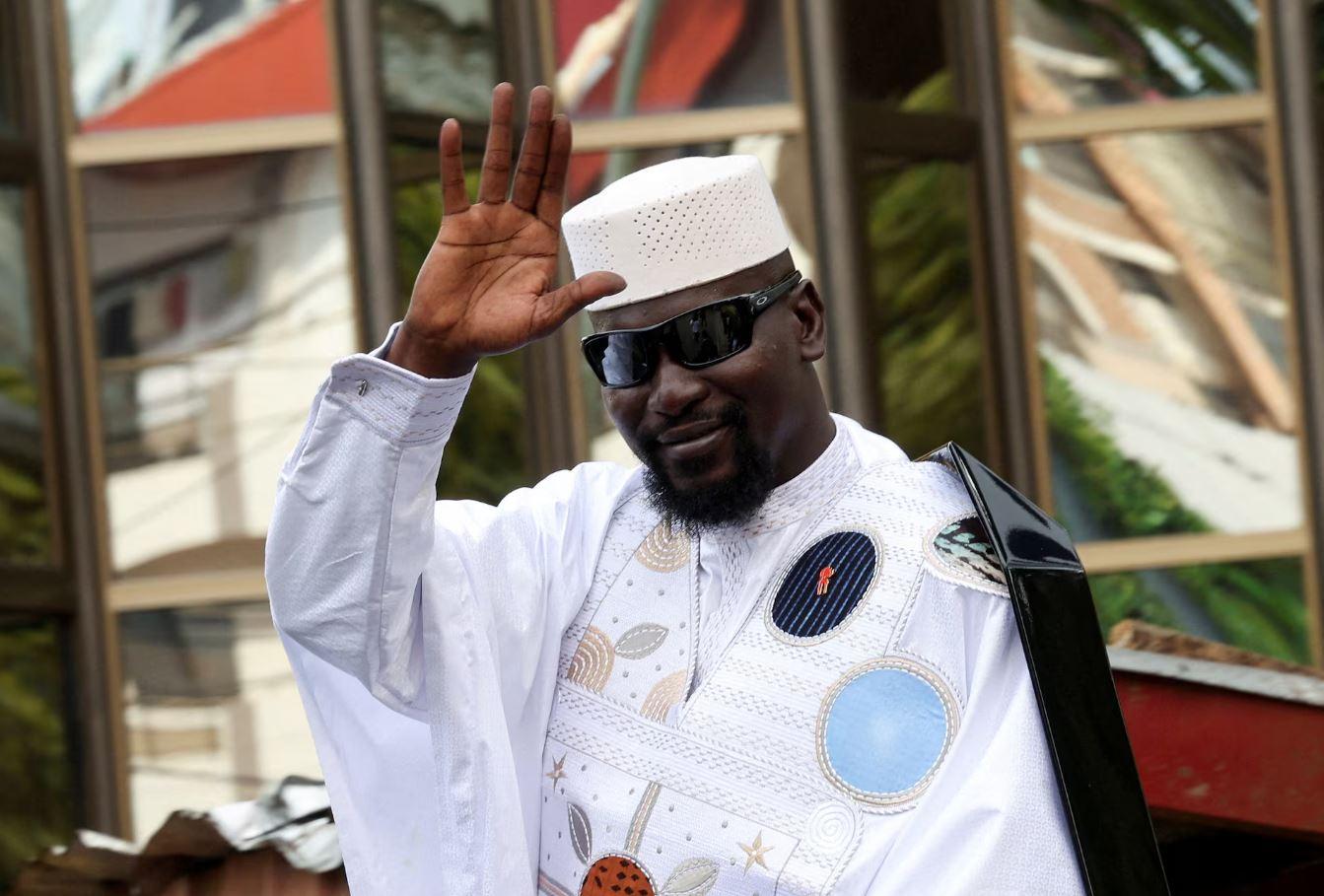
Mamady Doumbouya, the leader of Guinea, has officially registered to run in the presidential elections set for December 28 in Conakry. This election is seen as a pivotal moment for ending the transitional phase and restoring civilian rule.
Africa. Mamady Doumbouya, the leader of Guinea, has officially registered to run in the presidential elections set for December 28 in Conakry. This election is seen as a pivotal moment for ending the transitional phase and restoring civilian rule.
Since seizing power in a coup in September 2021 against former President Alpha Conde, Doumbouya has implemented extensive reforms in the mining sector and initiated a major iron ore extraction project in Simandou, alongside boosting investments in the bauxite sector, where Guinea holds the largest global reserves.
These economic achievements are hoped to provide him with electoral momentum to strengthen his grip on power, especially after sidelining his main rivals.
Doumbouya, a former special forces commander in his early forties, gained widespread popular support following the coup against Conde, which sparked protests over Conde’s controversial bid for a third term.
Unlike neighboring Sahel countries grappling with coups and jihadist insurgencies, Guinea has experienced relative stability under his rule, along with notable economic reforms.
However, the West faces a dilemma in dealing with him, as criticizing democratic backsliding could push him towards China or other partners, while his success in transitioning from coup leader to civilian president could encourage other militaries in the region to follow suit.
Doumbouya hails from the Malinke ethnic group in the eastern city of Kankan and received military training in Israel, Senegal, Gabon, and France, where he served in the French Foreign Legion and married French police officer Lorian Doumbouya.
His military experience spans 15 years and includes missions in Afghanistan, Ivory Coast, Djibouti, and the Central African Republic.
His decision to run marks a departure from his previous promises not to contest elections, as the post-coup charter barred military council members from running. However, a new constitution approved in a September referendum lifted this restriction.
Doumbouya has focused his campaign on his infrastructure achievements and pledged to combat poverty and corruption.
His opponents argue that his candidacy aims to entrench power within the military, while critics from civil society accuse him of suppressing protests and restricting press freedom and political activity.
He also granted clemency to former coup leader Moussa Dadis Camara, convicted for the 2009 stadium massacre, which was seen as a move to bolster support in the Forest Guinea region.
Meanwhile, prominent opposition leader Cellou Dalein Diallo lives in exile after being pursued in a corruption case, while former President Alpha Conde has been barred from competing due to being 87 years old, exceeding the new age limit for candidacy of 85.
Thus, the upcoming elections appear to be an opportunity for Doumbouya to solidify his authority and transition from coup leader to elected president amid internal and external debates about the future of democracy in Guinea.
Since seizing power in a coup in September 2021 against former President Alpha Conde, Mamady Doumbouya has implemented extensive reforms in the mining sector and initiated a major iron ore extraction project. His leadership has been marked by relative stability compared to neighboring countries facing coups and jihadist insurgencies.
Doumbouya’s decision to run for president marks a shift from his previous promises not to participate in elections, as a new constitution approved in a September referendum lifted restrictions on military council members.