What You Need to Know
The recent US airstrikes against ISIS positions in northwestern Nigeria have raised questions beyond their military implications, touching on political and symbolic meanings. Analyst Hassan Mneimneh highlights the troubling narrative accompanying these actions, particularly the portrayal of the situation in Nigeria and its victims.
Africa. The recent US airstrikes on ISIS positions in northwestern Nigeria raise questions that extend beyond their immediate military impact to their political and symbolic implications, as well as the context of the accompanying American discourse.
Hassan Mneimneh, a researcher at the Middle East Institute in Washington, stated that this represents the opening of a new front, marking the first strike of its kind, with its timing symbolically significant as it occurred during Christmas.
Mneimneh explained that the strike was officially justified as an operation against a terrorist organization involved in the kidnapping of students, killings, and violent practices. However, he argued that the issue lies not in the characterization of the organization but in the American political discourse that accompanied the operation.
He described this framing as concerning and suspicious, noting that reports from Nigeria indicate that the majority of terrorism victims there are Muslims, while acknowledging that there are also Christian casualties.
Regarding the nature of the strike, Mneimneh clarified that it is, for now, “more of a media step than a military or strategic one,” awaiting whether it will continue and the actual results that will ensue.
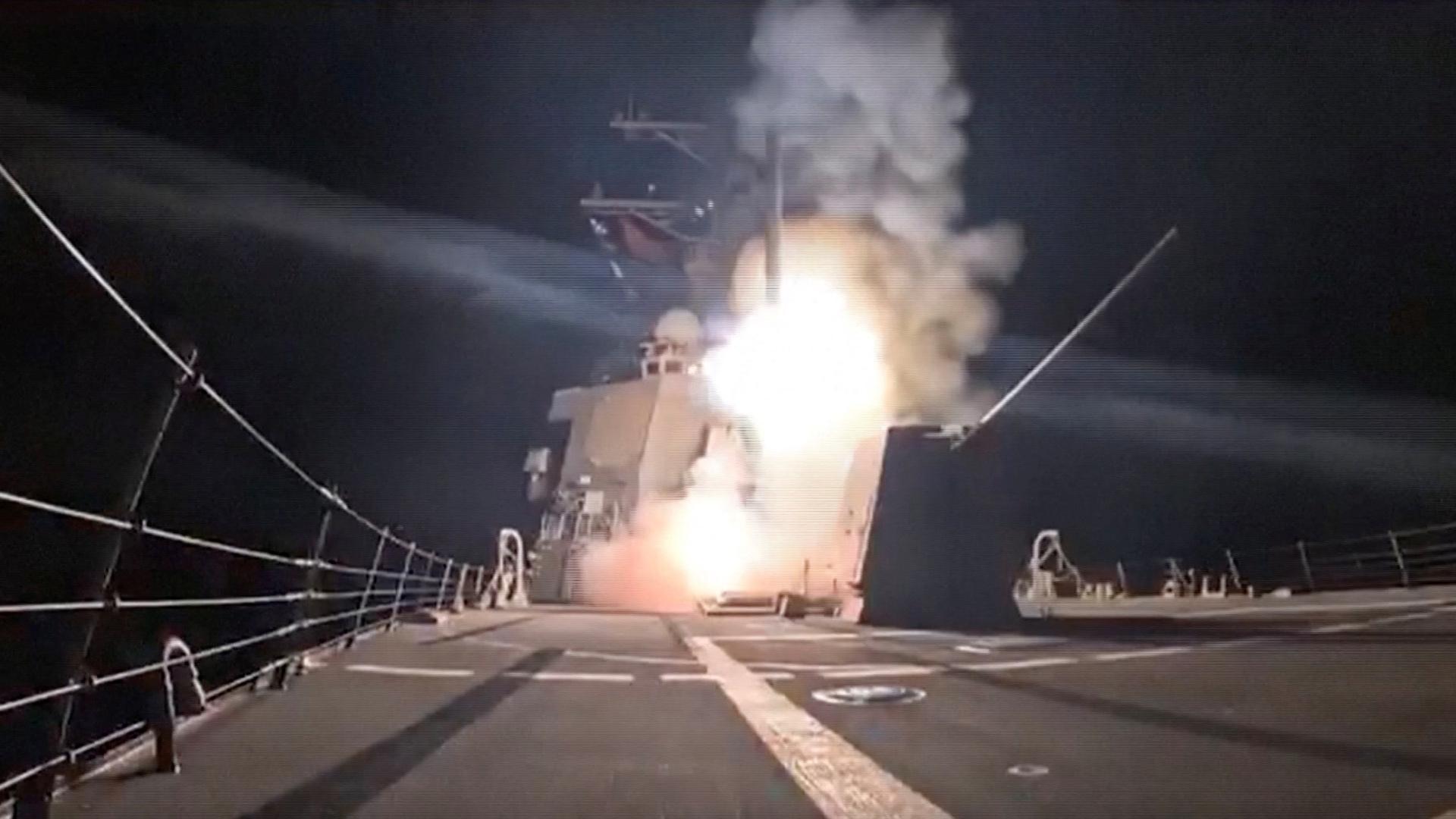
US President Donald Trump announced that American forces carried out several powerful and deadly strikes against what he referred to as “the scum of ISIS terrorists” in northwestern Nigeria, threatening further strikes “if militants continue to kill Christians.”
Reuters reported an American official stating that “the strike was carried out in Sokoto State, resulting in the deaths of several ISIS militants.”
However, Mneimneh emphasized that this step does not reflect a broad American public demand, as the exaggeration regarding a “massacre of Christians in Nigeria” does not align with the reality on the ground and cannot be compared in scale and targeting to what is happening in Gaza.
He pointed out that Nigerian authorities, along with field reports, discuss a prolonged tragedy over the years that does not specifically target Christians but represents terrorism affecting the entire community, with victims from various groups.
He argued that this framing intersects with a pro-Israel narrative within the United States, suggesting that it is more appropriate to shift the focus from the “problematic” relationship between Washington and Tel Aviv, where the US engages in wars that serve Israel, to what is termed the “Islamic threat.”
He affirmed that this language, while present in some political and media circles, does not reflect the general American public mood or even the views of most conservatives.
The military strike follows unexpected criticism from the Republican president regarding the West African nation, asserting that Christians there face an “existential threat” amounting to “genocide.”
The conflict in Nigeria has been ongoing for years, particularly in the northeastern regions where Boko Haram and ISIS-affiliated groups have caused significant violence. The US has been involved in various military actions against these groups, often justifying them through narratives that emphasize the threat to Christians, despite the majority of victims being Muslims. This framing has sparked debates about the motivations behind US foreign policy in the region.