What You Need to Know
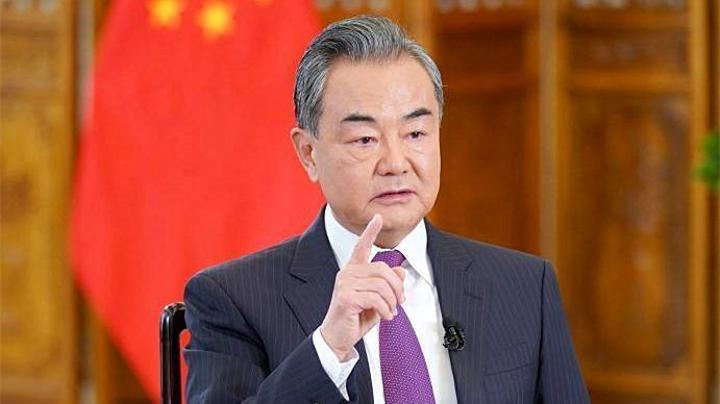
China’s top diplomat, Wang Yi, has commenced his annual New Year tour in Africa, emphasizing the strategic importance of East Africa. His itinerary includes visits to Ethiopia, Somalia, Tanzania, and Lesotho, aiming to bolster China’s influence in the region, particularly after Israel’s recent recognition of Somaliland, which has implications for Somalia’s diplomatic standing.
Africa. China’s top diplomat began his annual New Year tour in Africa on Wednesday, focusing on the strategically important East of the continent, as the world’s second-largest economy seeks to enhance its influence in the region.
Foreign Minister Wang Yi will visit Ethiopia, Somalia, Tanzania, and Lesotho during this year’s tour. Wang’s visit to Somalia—his first as a Chinese foreign minister since the 1980s—is expected to provide a diplomatic boost to Mogadishu, especially after Israel became the first country to officially recognize the breakaway Republic of Somaliland last month, a northern region that declared independence in 1991.
Beijing, which renewed its support for Somalia following the Israeli announcement, aims to strengthen its influence around the Gulf of Aden, a vital entry point to the Red Sea and a crucial trade route for Chinese goods through the Suez Canal to European markets.
To the south, Tanzania is a key hub in China’s efforts to secure access to vast copper deposits in Africa. Chinese companies are working to upgrade the TAZARA railway that runs through the country to Zambia. Li Qiang made a historic visit to Zambia in November, marking the first visit by a Chinese premier in 28 years.
The railway is widely viewed as a counterbalance to the U.S. and EU-backed Lobito Corridor, which connects Zambia to Atlantic ports via Angola and the Democratic Republic of the Congo.
Through his visit to the Kingdom of Lesotho in Southern Africa, Wang aims to highlight Beijing’s efforts to establish itself as a supporter of free trade.
Last year, China offered the world’s poorest countries access to its markets without tariffs, fulfilling a promise made by President Xi Jinping at the 2024 China-Africa Cooperation Summit in Beijing.
Lesotho, one of the poorest countries in the world with a GDP of just over $2 billion, was among the nations most affected by the comprehensive tariffs imposed by former President Donald Trump last year, facing duties of up to 50% on its exports to the United States.
China’s engagement in Africa has grown significantly over the past two decades, driven by economic interests and the desire to expand its geopolitical influence. The Belt and Road Initiative has further solidified China’s commitment to infrastructure development and trade partnerships across the continent, particularly in resource-rich regions.