Africa-Press. The decision by the British House of Lords to remove from its agenda the bill on the transfer of the Chagos Islands to Mauritius has sparked widespread discontent in Port Louis. On the evening of Friday, January 23, 2026, the House of Lords succeeded in forcing the British government to suspend consideration of the bill, despite the fact that it had reached an advanced stage in the legislative process.
Although the British Parliament was expected to complete the procedures for adopting the bill, the sudden development in the House of Lords on Saturday upended the political landscape and triggered angry reactions in Mauritius, which regards this issue as one of its most prominent unresolved sovereignty matters for decades.
In this context, Mauritius’s Attorney General, Gavin Glover—whose position is equivalent to that of Minister of Justice—expressed his deep surprise at the decision, describing it as “unexpected,” especially given that the bill was nearing the end of its legislative path.
Glover stated that removing the bill from the House of Lords’ agenda does not conform to parliamentary conventions in the United Kingdom. He added that the House of Lords is supposed to play a role in reviewing and improving legislation, not to become a tool for obstructing a law that has already been approved twice by the House of Commons. He stressed that such conduct raises serious questions about the direction being taken by the legislative process in this sensitive matter.
By contrast, British Conservatives justified their stance by arguing that the bill conflicts with a treaty signed in 1966 between the United States and the United Kingdom, which stipulates that the Chagos Archipelago should remain under British sovereignty—something they view as a legal obstacle to implementing the agreement with Mauritius.
Mauritian authorities, for their part, affirmed that channels of communication remain open with the British Labour government, noting that political and diplomatic dialogue between the two sides is continuing and expressing hope for a swift settlement that would bring this issue to a close.
This development comes at a time when U.S. President Donald Trump described the treaty on the transfer of the Chagos Islands, on Tuesday, January 20, as a “grave mistake.”
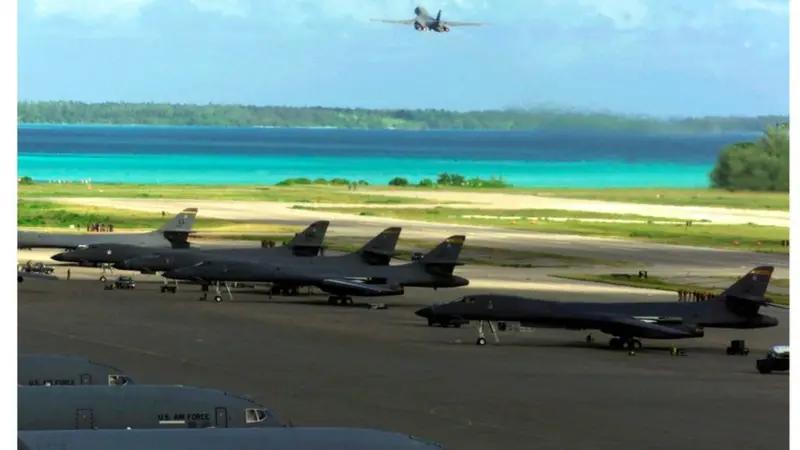
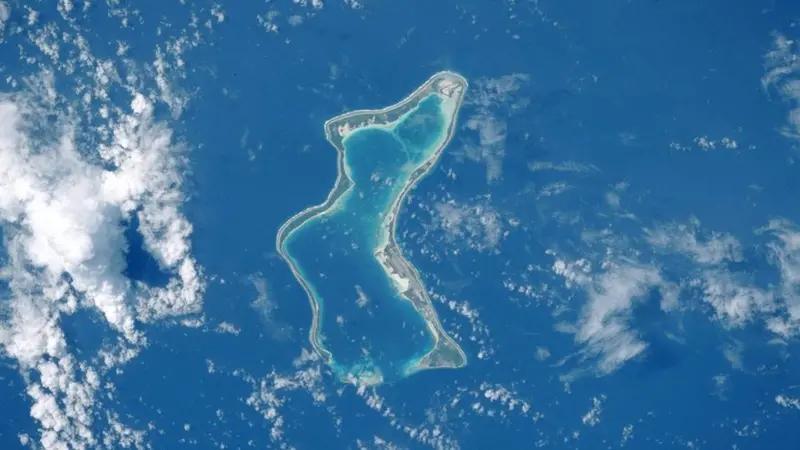
The issue also takes on an additional strategic dimension, as Diego Garcia—the largest island in the Chagos Archipelago—hosts a critically important U.S. military base, a matter that the agreement does not address directly.