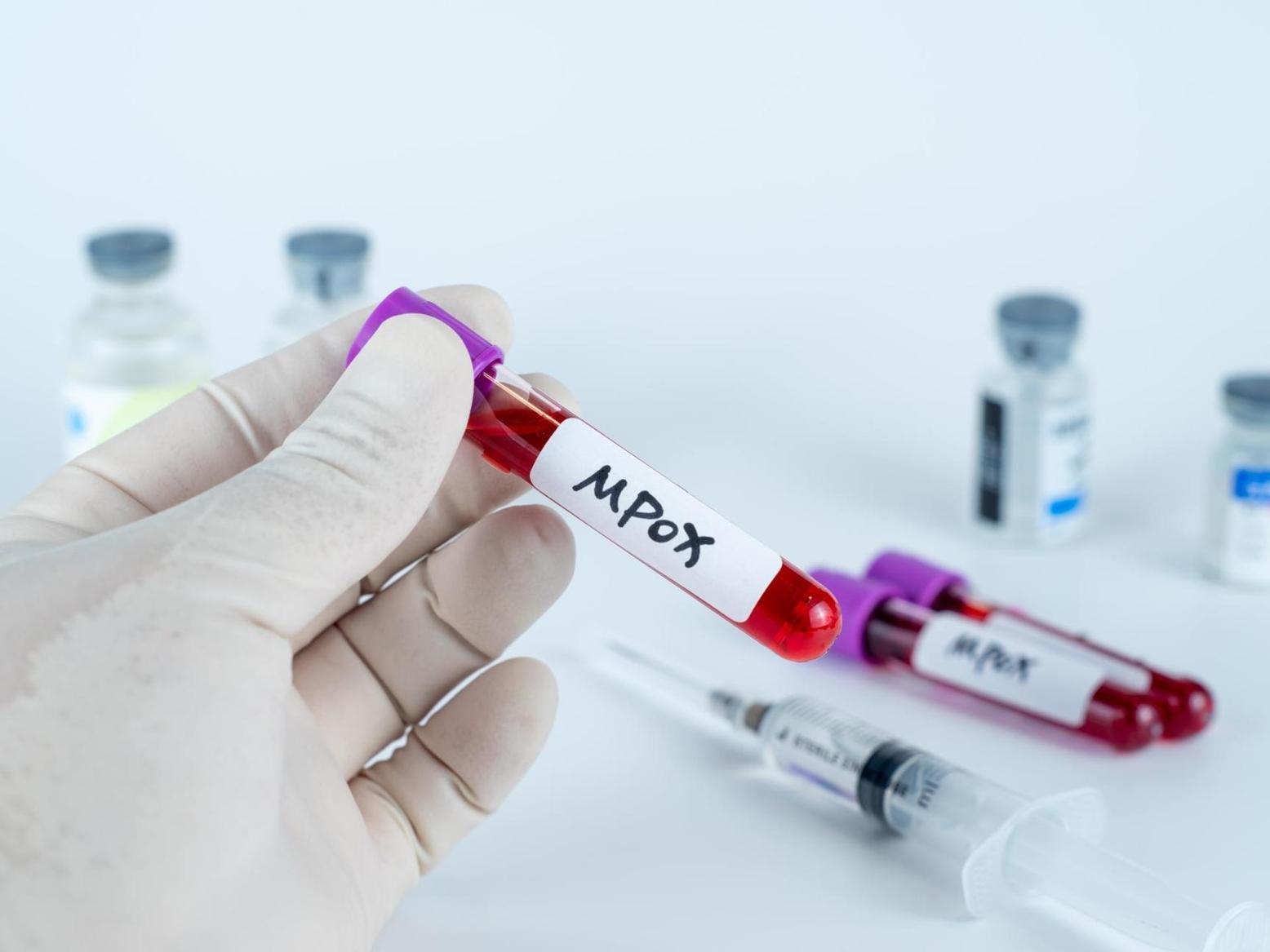
Africa-Press. The African Union Health Agency announced the lifting of the health emergency for the disease “mpox” (formerly known as “monkeypox”) following a significant decline in cases and deaths across the continent.
According to World Health Organization (WHO) data, Africa recorded around 44,500 cases between January 2025 and this month, including 198 deaths in 29 countries. The Democratic Republic of Congo, Guinea, and Madagascar were the most affected. The African Health Agency stated that suspected cases decreased by 40%, while confirmed cases dropped by 60% between the peak at the start of 2025 and the end of the year.
In 2024, the agency had issued the highest level of health alert after recording over 80,000 suspected cases and 1,340 deaths, a significant increase compared to the previous year. However, with intensified vaccination campaigns providing more than 5 million doses across 16 countries, epidemic indicators began to decline. Agency president Jean Kasiya emphasized in a statement that lifting the emergency “does not mean the end of the disease in Africa” but reflects an improved health situation due to response and vaccination efforts.
An old disease with a new face
Mpox was first identified in the Democratic Republic of Congo in 1970 and remained for decades confined to a limited number of Central and West African countries. The virus is divided into two main clades: clade 1 and clade 2.
In May 2022, the virus crossed borders with the global spread of clade 2, prompting the WHO to declare an international health emergency at that time.
In September 2025, the WHO stated that mpox no longer represents a “global health emergency,” a decision that aligns with the African Union’s regional-level decision today. Nevertheless, health experts emphasize the need to maintain surveillance and preparedness to prevent new waves, especially in countries still recording high infection rates.