What You Need to Know
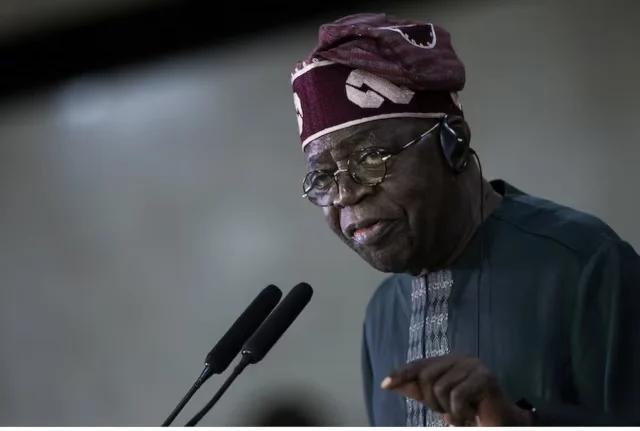
Nigerian President Bola Tinubu engaged in a discussion with German Chancellor Friedrich Merz to enhance bilateral cooperation in security, energy, and infrastructure. They explored reviving a stalled electricity project with Siemens and the procurement of used helicopters from Germany, reflecting ongoing diplomatic relations between the two nations.
Africa-Press. Nigerian President Bola Tinubu discussed enhancing bilateral cooperation in security, energy, and infrastructure with German Chancellor Friedrich Merz, according to a statement from the Nigerian presidency.
In a nine-minute call, the leaders explored the possibility of reviving a stalled presidential project aimed at increasing electricity capacity in Nigeria, which involves the German company Siemens, in exchange for Nigeria purchasing used German helicopters.
The agreement originally aimed to achieve 7,000 megawatts by 2021 and 11,000 megawatts by 2023 before delays due to regulatory and financial difficulties.
The president’s office reported that Nigeria informed Merz of its need for assistance in updating the electrical power transmission network. The statement clarified that Merz confirmed Siemens would implement the project and that Deutsche Bank is ready to finance it.
Tinubu also requested Germany to supply used helicopters to support reconnaissance and information-gathering operations in the troubled Sahel region, while both parties agreed to expand cooperation in railway transport, creative industries, and skills development.
These discussions reflect Abuja and Berlin’s efforts to deepen cooperation amid ongoing diplomatic relations that have lasted over 65 years, especially as security, energy, and infrastructure challenges escalate in West and Central Africa.
Nigeria and Germany have maintained diplomatic relations for over 65 years, focusing on various sectors including energy and security. The collaboration has evolved to address contemporary challenges in West and Central Africa, particularly in enhancing Nigeria’s electricity capacity and addressing security concerns in the Sahel region. Recent discussions highlight the importance of international partnerships in tackling these pressing issues.
The stalled electricity project aimed to significantly increase Nigeria’s power generation capacity, originally set to achieve 7,000 megawatts by 2021 and 11,000 megawatts by 2023.