What You Need to Know
In Senegal, activists have launched widespread campaigns on social media calling for a boycott of Moroccan goods and services. This follows a Moroccan court sentencing 18 Senegalese football fans to prison for their involvement in riots during the Africa Cup of Nations final. The calls for boycott reflect widespread anger and solidarity with the convicted fans.
Africa-Press. In a notable escalation on social media, activists in Senegal have launched extensive campaigns calling for a boycott of Moroccan goods and services within the country. This protest follows a Moroccan court’s sentencing of 18 Senegalese football fans to prison.
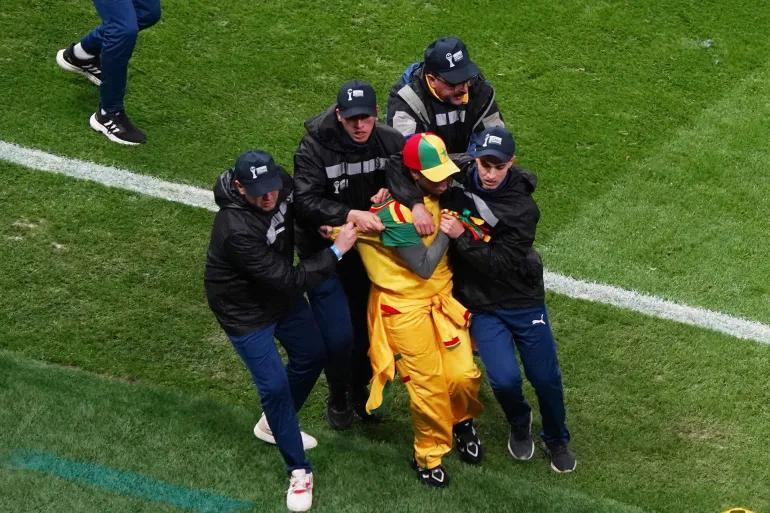
The sentences ranged from three months to one year for the fans, who were arrested during riots that occurred at the Africa Cup of Nations final in January. The accused faced charges of “rioting,” which included acts of violence against security forces, damaging sports equipment, storming the pitch, and throwing projectiles.
The fans had previously denied committing any offenses during the chaotic match, which ended with Senegal winning 1-0 after extra time. The Moroccan public prosecutor had sought sentences of up to two years for the 18 detainees, who have been held since the controversial match in mid-January.
The Senegalese Football Federation condemned the court’s ruling, describing it as “harsh and incomprehensible,” and expressed solidarity with the fans.
The sentences have ignited widespread anger in Senegal, quickly translating into organized campaigns on social media urging a boycott of Moroccan goods and services. Many activists have labeled the ruling as severe and disproportionate, while users have circulated posters and messages encouraging citizens to stop purchasing Moroccan products and to avoid companies owned by Moroccans operating in Senegal.
Angry posts have called for accountability and clarification regarding the case, with some Twitter users arguing that the penalties were unjust and that lighter sentences could have been issued, asserting that “our fans are not criminals.”
Supporters of the boycott view it as a form of peaceful protest and a means of expressing solidarity with the convicted fans, sending a pressure message that could extend beyond the digital space to impact relations between the two countries.
Conversely, others have called for calm and to await official clarifications regarding the sentences, emphasizing the need to separate judicial proceedings from popular and economic relations between Rabat and Dakar, and to avoid steps that could harm mutual interests.
Observers have warned that escalating calls for a boycott could affect trade and investment cooperation between the two countries, given existing partnerships and projects, making any potential escalation costly beyond digital interactions.
Some Twitter users have argued that the court’s ruling was within legal bounds, as riots and attacks on public property occurred at the stadium, along with hostile actions against stadium security.
On January 18, during the Africa Cup of Nations final in Rabat, Senegal won 1-0 after extra time in a match characterized by chaos. Following a penalty awarded to Morocco in stoppage time of the second half, after a Senegal goal was disallowed, Senegalese fans attempted to storm the pitch for nearly 15 minutes, even as Ibrahim Diaz prepared to take the penalty, which he ultimately missed. In extra time, Pape Gueye scored the winning goal for Senegal with a powerful shot. Additionally, several Senegalese fans threw projectiles onto the pitch, including at least one chair.
The public prosecutor stated that the prosecution’s case was primarily based on surveillance footage from the Prince Moulay Abdellah Stadium in Rabat, along with medical reports documenting injuries among security forces and stadium staff. The public prosecutor estimates the material damages to the stadium, which had been fully renovated before the Africa Cup of Nations, to exceed 370,000 euros.
The recent tensions between Senegal and Morocco stem from incidents during the Africa Cup of Nations final held in January. Senegal’s victory was overshadowed by riots that led to the arrest of several fans. The Moroccan court’s harsh sentences have sparked outrage in Senegal, leading to calls for boycotts of Moroccan products as a form of protest.
Historically, Senegal and Morocco have maintained diplomatic and economic ties, but incidents like these can strain relations. The football match, which ended in chaos, has now become a focal point for expressing national sentiment and solidarity among Senegalese citizens, highlighting the intersection of sports and politics in the region.