What You Need to Know
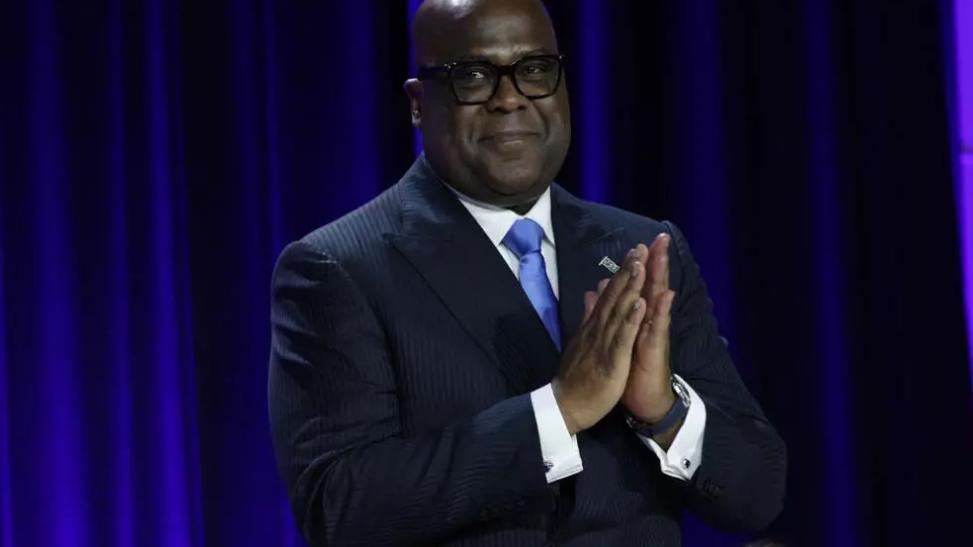
The President of the Democratic Republic of Congo, Félix Tshisekedi, has initiated a comprehensive audit of state employee salaries following warnings from the IMF regarding the rising wage bill, which now exceeds half of the national budget. This move aims to ensure financial sustainability and timely salary payments amidst challenging economic conditions.
Africa-Press. The President of the Democratic Republic of Congo, Félix Tshisekedi, has initiated a comprehensive audit of state employee salaries and civil service wages following explicit warnings from the IMF about the significant increase in the wage bill, which now exceeds half of the national budget, placing increasing pressure on the public treasury.
Tshisekedi announced this decision during a cabinet meeting, emphasizing the urgent need to address salary issues to protect the sustainability of public finances and ensure timely salary payments amid the country’s challenging economic conditions.
This decision comes as the IMF supports the Democratic Republic of Congo through an extended credit facility and resilience-building programs, which are linked to a wave of necessary and rapid reforms.
The upcoming audit will reveal discrepancies between the number of employees officially registered in the budget and those actually present on payroll lists.
In recent years, there have been new government appointments without considering actual employment levels, along with salary increases that lacked oversight mechanisms, leading to significant inflation in the wage bill amid limited financial capacities, burdening the state treasury.
According to the cabinet meeting minutes, these imbalances expose the salary system to potential disruptions, which could lead to social tensions if salaries are delayed or disrupted.
However, President Tshisekedi confirmed that the review process is not intended to penalize permanent employees but to ensure that every financial amount paid corresponds to actual work and genuine services, thereby ensuring the security and stability of payments in the long term.
The Prime Minister has been tasked with overseeing this process in coordination with the General Inspectorate of Finance and relevant government entities, with a deadline of thirty days to issue results and submit the final report.
Amid these developments, civil society actors emphasize that the country needs tangible measures that go beyond the usual political rhetoric, especially since a significant portion of arbitrary appointments stems from political offices and institutions that use the administrative apparatus to entrench their influence rather than enhance state effectiveness.
In recent years, the Democratic Republic of Congo has faced significant challenges regarding public sector employment and wage management. Government appointments have often occurred without proper consideration of actual staffing levels, leading to inflated wage bills. The IMF has been involved in supporting the country through credit facilities, emphasizing the need for urgent reforms to stabilize the economy and public finances.