
What You Need to Know
Zimbabwe’s Ministry of Mines has announced an immediate halt to all raw mineral exports, including lithium concentrates, citing national interest. The decision aims to enhance local processing and reduce unregulated export practices, as the country seeks to capitalize on the growing global demand for strategic minerals.
Africa-Press. The Ministry of Mines and Mining Development in Zimbabwe has announced an immediate suspension of all raw mineral exports and lithium concentrates, including shipments “in transit,” until further notice.
Minister Paul Mavima stated that the decision is made “in the national interest,” urging mining companies to cooperate with the government in this initiative.
Previously, the government had set January 2027 as the deadline to begin banning the export of lithium concentrates, aiming to encourage companies to invest in processing and refining within the country.
However, the ministry clarified in a letter to the Chamber of Mines that the decision was prompted by “unregulated practices” in exports, emphasizing that the review is part of broader efforts to curb leakages and enhance efficiency.
Importance of Lithium to Zimbabwe
Lithium is one of Zimbabwe’s most important strategic resources, as the country holds the largest lithium reserves in Africa. In 2025, Zimbabwe exported over 1.1 million tons of spodumene concentrates, an 11% increase from the previous year. Most of these quantities are directed to China for processing into battery-grade materials.
The government aims to capitalize on the growing global demand for strategic minerals linked to clean energy, such as lithium and rare earth elements, by promoting local manufacturing and increasing value addition.
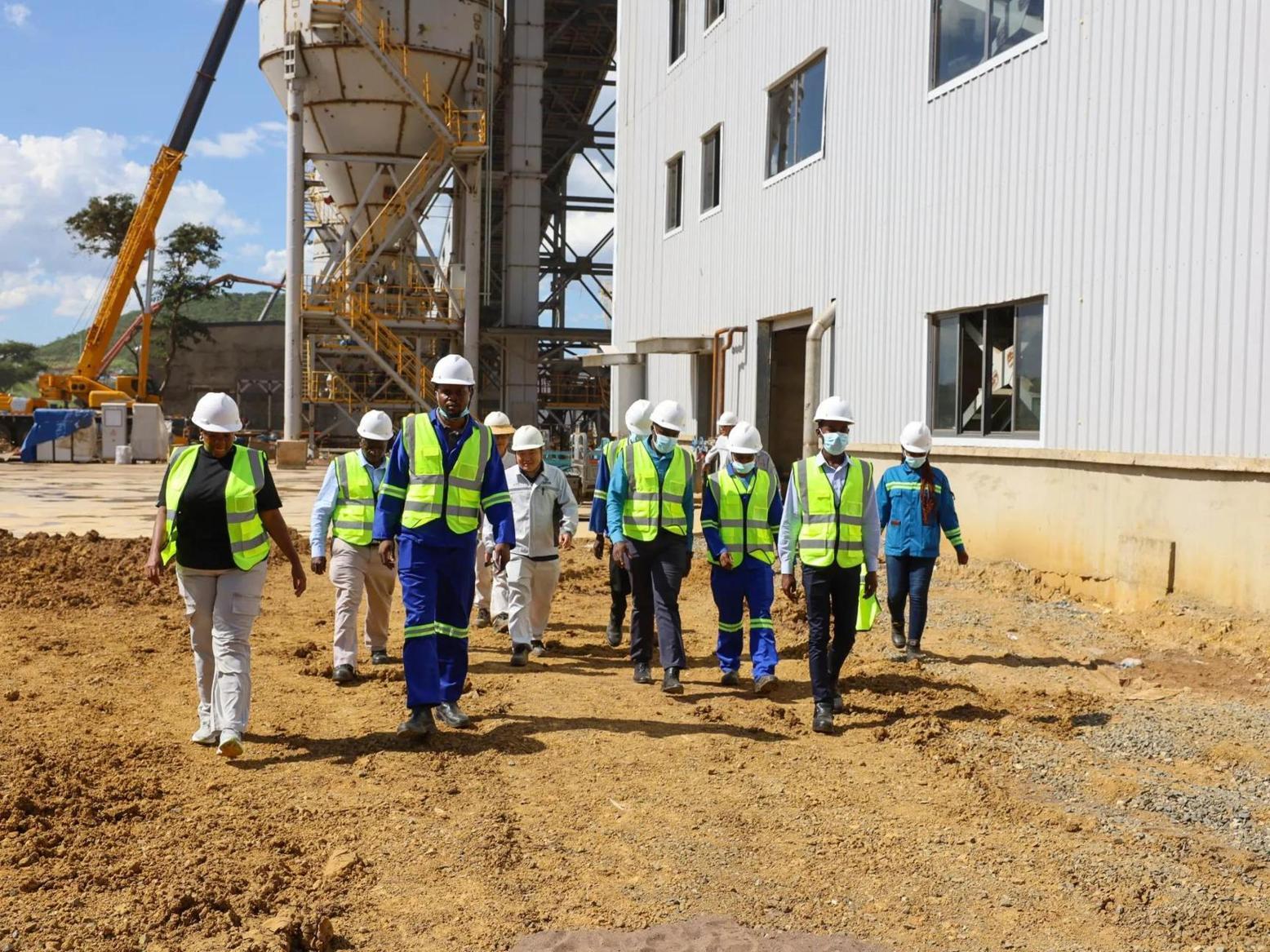
The lithium sector in Zimbabwe has seen massive investments from Chinese companies, including Huayou Cobalt, Sinomine, and Qingxin Lithium. Huayou has established a $400 million factory for lithium sulfate production, while Sinomine announced a $500 million project to build a similar plant at the Bikita mine.
These projects reflect a trend towards transforming Zimbabwe into a regional hub for lithium processing, rather than merely exporting raw materials.
Economic Implications
Mining is the second-largest contributor to Zimbabwe’s GDP at 14.3%, following the manufacturing sector. Policymakers hope that the new ban will enhance transparency and oversight, ensuring greater benefits for the national economy from its mineral wealth.
The government believes this move will pave the way for restructuring relationships with mining companies, ensuring greater local value addition amid global competition for strategic minerals.
Zimbabwe is home to Africa’s largest lithium reserves, making it a key player in the global mineral market. The government previously set a deadline for January 2027 to ban lithium concentrate exports, aiming to encourage local processing and investment. This recent export suspension reflects ongoing efforts to improve regulatory practices and maximize economic benefits from its mineral wealth.