What You Need to Know
The Chiefs of Staff of ECOWAS member states are meeting in Freetown, Sierra Leone, to discuss the establishment of a rapid response force aimed at enhancing counter-terrorism efforts in West Africa and the Sahel. The three-day meeting will focus on member states’ contributions and the need for self-funding to address rising security threats.
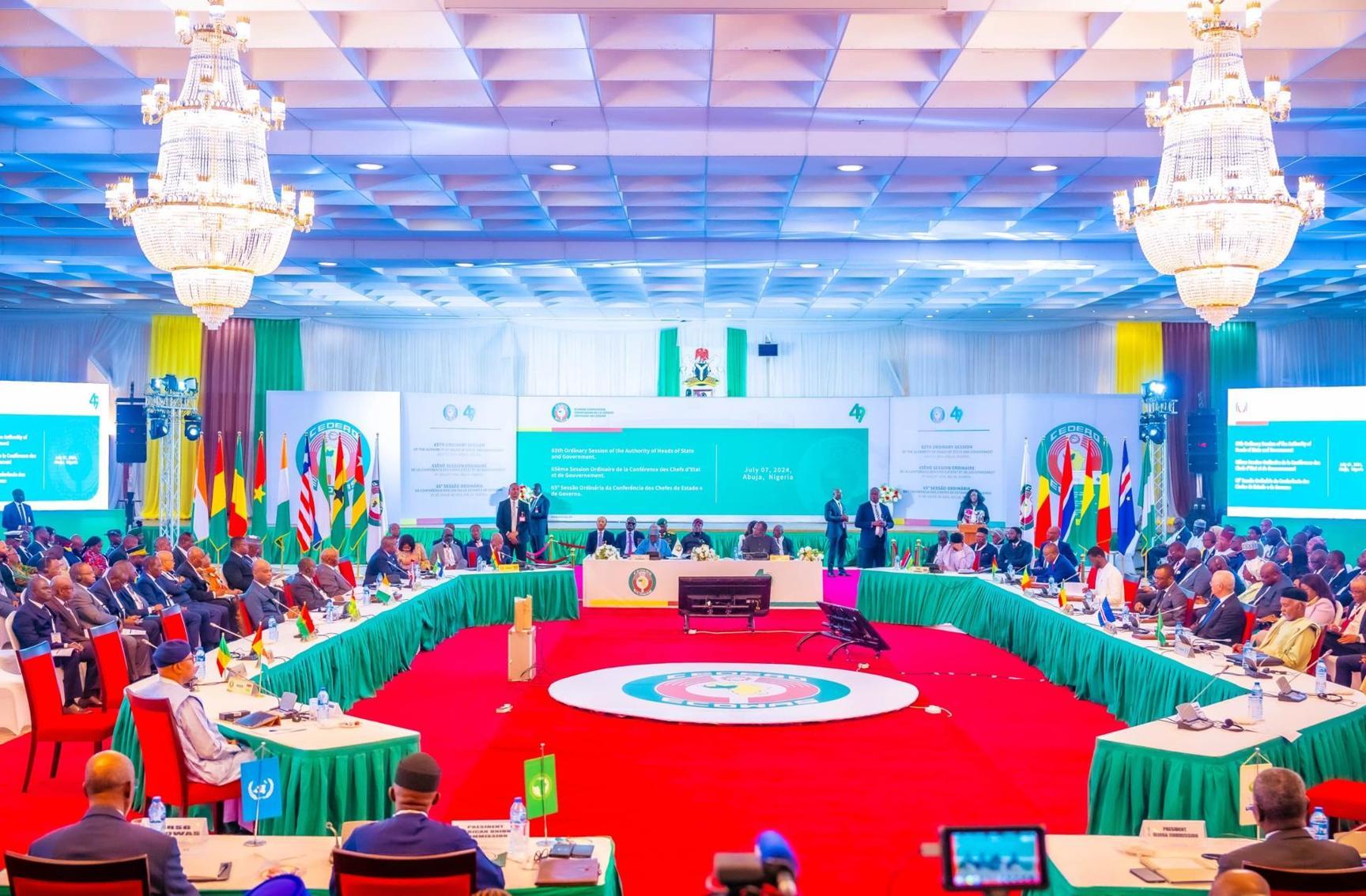
Africa-Press. The meeting of the Chiefs of Staff of the Economic Community of West African States (ECOWAS) commenced in Freetown, Sierra Leone, focusing on the future of the planned “rapid response force” aimed at enhancing counter-terrorism efforts in West Africa and the Sahel.
The opening session included a group photo, although several invited Chiefs of Staff were absent, which did not concern the host nation. General Amara Idara Bangura, Chief of the Armed Forces in Sierra Leone, assured attendees that all member states clearly support accelerating the establishment of the joint force.
He stated, “No member state opposes the acceleration of the rapid response force’s establishment; on the contrary,” reassuring the audience that the project enjoys regional consensus.
Bangura noted that Sierra Leonean President Julius Maada Bio, who currently chairs the regional organization, has strong support from regional leaders on this issue.
Each country is expected to announce during the meetings the size of the troops it will contribute to the joint force, with initial forecasts suggesting the deployment of around 2,000 soldiers in the first phase.
The meeting featured extensive discussions on the necessity for ECOWAS countries to rely on their own resources to fund the security force, rather than waiting for external support that may be delayed or not materialize. There are ambitions to prepare an initial operational force before the end of the year to address the escalating threats from armed groups.
The security landscape is dominated by the threat of ISIS in the Sahel and groups loyal to Al-Qaeda, whose expansion into West Africa has become a growing concern.
Cooperation with Mali, Niger, and Burkina Faso—three countries that have withdrawn from ECOWAS to form a Sahel alliance led by military ruling councils—was a key focus of the discussions, despite the complexities of political relations. Many participants in the Freetown meeting acknowledged the need for closer coordination between the two organizations, emphasizing that cross-border security challenges require practical cooperation regardless of political disagreements.
ECOWAS leaders hope the meetings will result in a clear roadmap for launching the joint force, enhancing the region’s capacity to confront growing security challenges and curbing the expansion of armed groups.
The Economic Community of West African States (ECOWAS) was established in 1975 to promote economic integration and stability in West Africa. Over the years, it has evolved to address security challenges, particularly in response to conflicts and terrorism in the region. The establishment of a rapid response force reflects the growing urgency to combat threats from extremist groups and ensure regional stability.