Africa-Press. The Ugandan parliament has passed legislation aimed at limiting foreign influence, following a relaxation of proposed restrictions on foreign funding that the central bank governor described as a potential “economic disaster.”
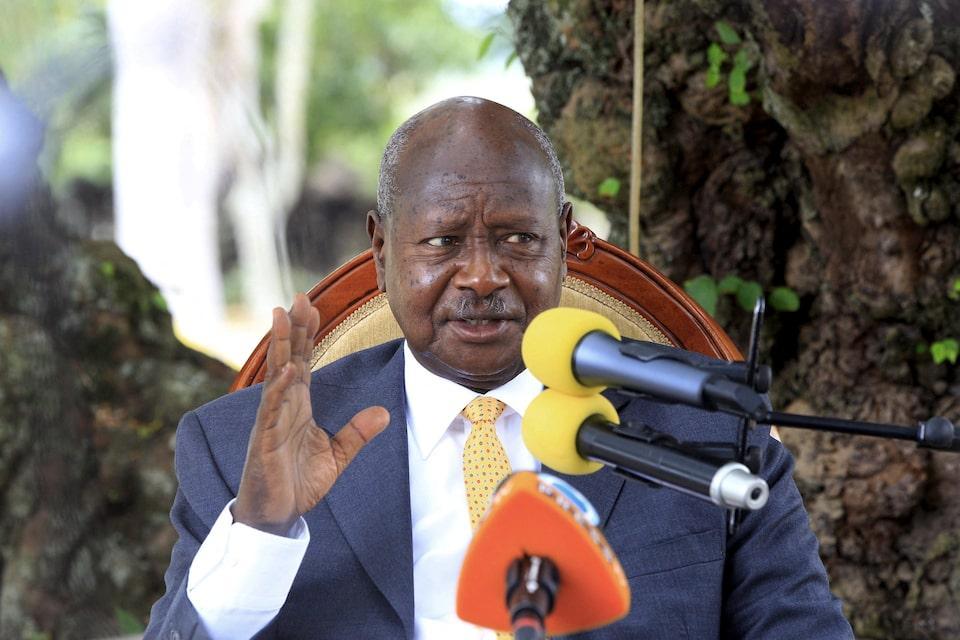
The bill, titled “Sovereignty Protection Act,” is now awaiting the signature of President Yoweri Museveni.
Museveni, who has been in power since 1986, and his allies in the ruling party, consistently condemn foreign influence in Uganda, accusing their local political opponents of receiving funding from abroad and promoting foreign agendas, such as LGBTQ rights.
The law, which imposes penalties of up to 10 years in prison for violations, prohibits anyone working for foreign entities from formulating or implementing any policy without government approval. It also criminalizes promoting “foreign interests against the interests of Uganda.”
Human rights organizations have stated that this vague wording will enable the government to criminalize nearly any form of political opposition. Critics have accused the government of exaggerating the impact of the bill.
However, the final legislation has softened the previous wording that raised concerns among economic actors. For example, a provision requiring any Ugandan receiving funds from abroad to register as a foreign agent and disclose incoming funds has been limited to individuals receiving money for political purposes that serve foreign interests.
Remittances from Ugandans living abroad are a significant source of foreign currency for this East African nation. Last week, the central bank governor, Michael Atingi-Ego, warned that the legislation would reduce financial flows into the country and threaten to deplete foreign currency reserves, which he described as “an economic disaster for our country.”
The World Bank announced last month that the bill could expose a wide range of its routine developmental activities, including meetings discussing alternative policy ideas, to criminal liability. It was not immediately clear how the parliament’s amendments addressed these concerns.
The World Bank halted new loan disbursements to Uganda in 2023 after the government enacted a strict law against sexual orientation influence, but resumed funding two years later after the authorities agreed to some compromises.