Africa-Press. The United Nations High Commissioner for Refugees revealed that Niger now hosts over half a million internally displaced persons, as UN Secretary-General Antonio Guterres warned that the deteriorating security situation in the Sahel has led to a humanitarian emergency.
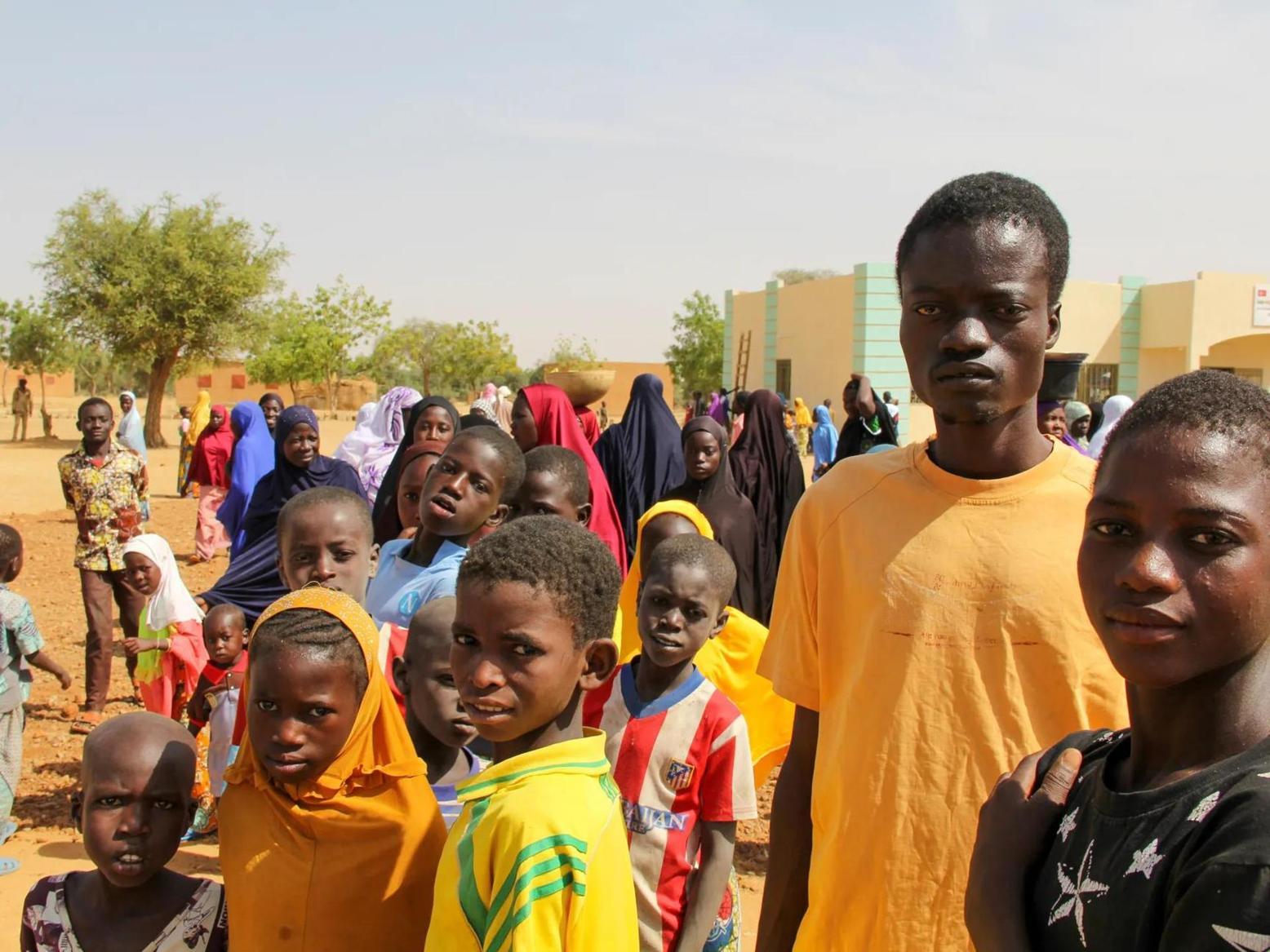
The UN High Commissioner for Refugees reported that Niger is home to more than half a million internally displaced persons, over half of whom are children and 23% are women, reflecting an annual increase of 8%. The agency noted that trend analysis remains limited due to irregular verification of data by Nigerien authorities.
Additionally, the total number of people living in forced displacement in Niger exceeds one million, with more than half being internally displaced, primarily concentrated in two regions in the southern part of the country, while the remainder are refugees and asylum seekers.
According to the agency, among approximately 550,000 internally displaced persons, 45% are registered in the Tillaberi region in southwestern Niger, which has experienced significant security deterioration with repeated attacks targeting civilians and defense and security forces, mass displacement, and protection risks, especially in border areas. One-third of the displaced are located in the Diffa region, another area under pressure from groups described as terrorist.
Regional Context
In addition to internally displaced persons, Niger hosts 447,000 refugees and asylum seekers, more than half of whom are children, according to the agency. Most of these individuals come from Nigeria, as well as Mali and Burkina Faso, with their numbers increasing by 3% over the year, attributed to registration activities.
Guterres stated in a press conference following the tenth annual summit between the African Union and the United Nations in Addis Ababa last Wednesday that “the deterioration of the security situation in the Sahel has led to a humanitarian emergency characterized by increasing violence against civilians, widespread displacement, and a growing lack of food security.”
He added that the situation has “seriously deteriorated” due to the “operational alliance” between the Group for the Support of Islam and Muslims/al-Qaeda and the Azawad Liberation Front. He called for “dialogue and cooperation among all countries in the region” to enhance security and political collaboration in the face of the “serious threat of terrorism and violent extremism.”