Africa-Press. Voters in the Cape Verde archipelago are heading to the polls on Sunday, May 17, to choose their representatives in the legislative elections taking place across the ten islands, along with participation from the large diaspora living abroad.
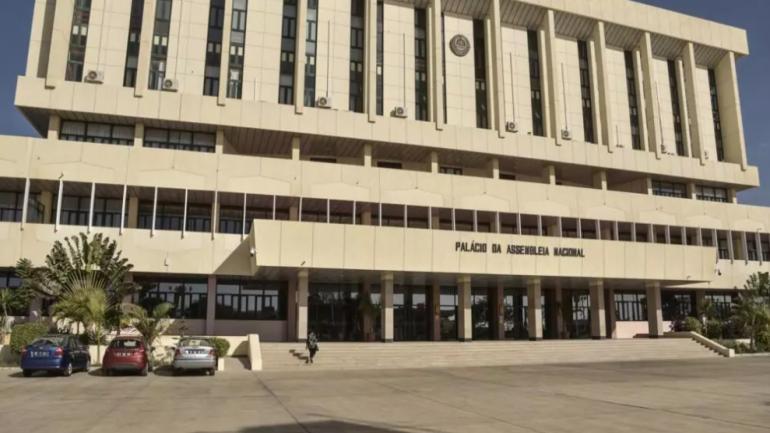
Approximately 416,000 voters have registered to cast their ballots to elect 72 members of the National Assembly in an event seen as a significant political milestone in the country, as the Prime Minister chosen by the National Assembly implements government policies, while the President is elected separately.
Five political parties are competing in these elections, but the main competition is between the ruling Democratic Movement party, which seeks to maintain its parliamentary majority, and the African Party for the Independence of Cape Verde, the largest opposition party.
Despite Cape Verde’s repeated praise for its democratic stability, the election campaign has been marked by political tension amid signs of a close race between the two main parties.
The African Party for the Independence of Cape Verde has accused its ruling rival of using state resources to support its election campaign and has refused to participate in one of the political debates during the campaign.
The Prime Minister Ulisses Correia e Silva is leading the Democratic Movement campaign under the slogan “Cape Verde Forward,” focusing on what the government considers economic successes, notably a decrease in unemployment and a recovery in the tourism sector following the impacts of the COVID-19 pandemic. The party has pledged to raise average wages by 30 percent, alongside setting the minimum wage at 230 euros.
In contrast, the African Party for the Independence of Cape Verde is contesting the elections under the slogan “Cape Verde for All,” led by Francisco Carvalho, the party president and mayor of the capital, Praia.
The party has proposed a social program that includes promises to provide healthcare and free higher education, as well as to reduce prices and improve connectivity between the islands of the archipelago.
The voting process is expected to be closely monitored by observers from the Economic Community of West African States (ECOWAS), particularly on the main island of Santiago, where 33 out of the 72 parliamentary members will be elected.