
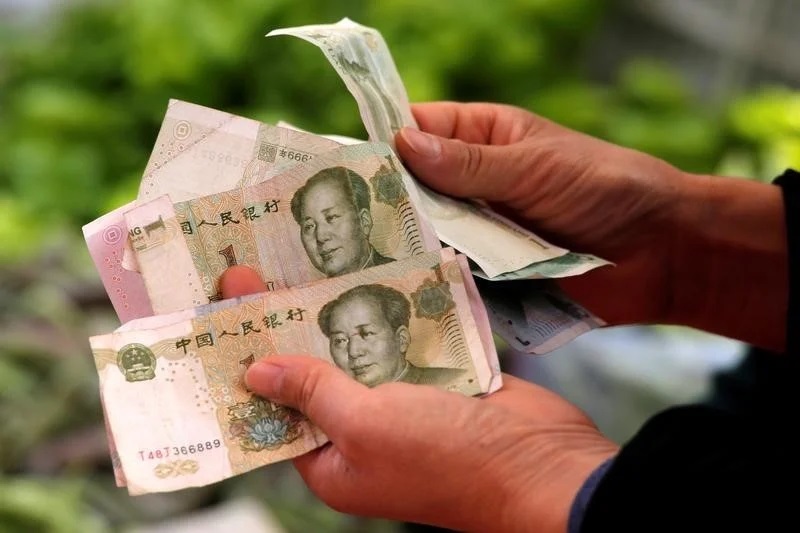
Angola’s central bank has decided to add the Chinese yuan to the list of currencies that local banks can use to meet foreign currency reserve requirements, alongside the US dollar, euro, and South African rand.
The decision was made under a directive issued by the Bank of Angola on July 2, 2026, and was published on its official website on Thursday, according to a local source. This move provides banks with greater flexibility in managing their foreign reserves within the banking system.
Mandatory reserves are funds that commercial banks must hold with the central bank to support financial stability and manage liquidity within the banking system. This step comes amid the increasing importance of the Chinese yuan in Africa, due to China’s position as the largest trading partner of the continent and a primary source of funding for infrastructure projects.
Although the US dollar remains the dominant global currency in reserves and trade, efforts to reduce reliance on it have gained momentum in several emerging economies in recent years, driven by concerns over exposure to US sanctions, transaction costs, and shifts in the global economic power balance.
This step is particularly significant for Angola, which is a major supplier of crude oil to China, while Beijing has provided the country with billions of dollars in loans to finance infrastructure investments. The inclusion of the yuan in the basket of accepted currencies for reserve requirements reflects a gradual shift towards expanding the use of non-Western currencies in African financial transactions, especially in countries with extensive trade and financial ties to China.
Additionally, this move may help alleviate some of the demand pressures on the dollar within the Angolan banking sector and provide an additional channel for managing foreign currency liquidity in a country whose economy is closely tied to oil exports and external financing.