What You Need to Know
The UN High Commissioner for Human Rights, Volker Turk, has expressed serious concern over the escalating repression against political opposition and media in Uganda, just weeks before the upcoming general elections. Reports indicate over 550 arrests this year, with many still detained on various charges, raising alarms about the state of democracy in the country.
Africa. The UN High Commissioner for Human Rights, Volker Turk, expressed grave concern regarding what he described as a “growing campaign of repression” against political opposition and media in Uganda, just weeks ahead of the upcoming general elections.
Turk clarified in a statement that reliable reports indicate at least 550 arrests since the beginning of the year, including members and supporters of the opposition party, the National Unity Platform. The number of detainees has exceeded 300 since the election campaigns began in September.
He added that many of these individuals remain in custody on charges ranging from “inciting violence” to “disobeying lawful orders” and “disturbing the peace.”
The statement noted that security forces have repeatedly intervened in opposition party events, employing heavily armed units, and last week fired live ammunition in Iganga, eastern Uganda, resulting in one death and three injuries.
Recurring Repressive Tactics
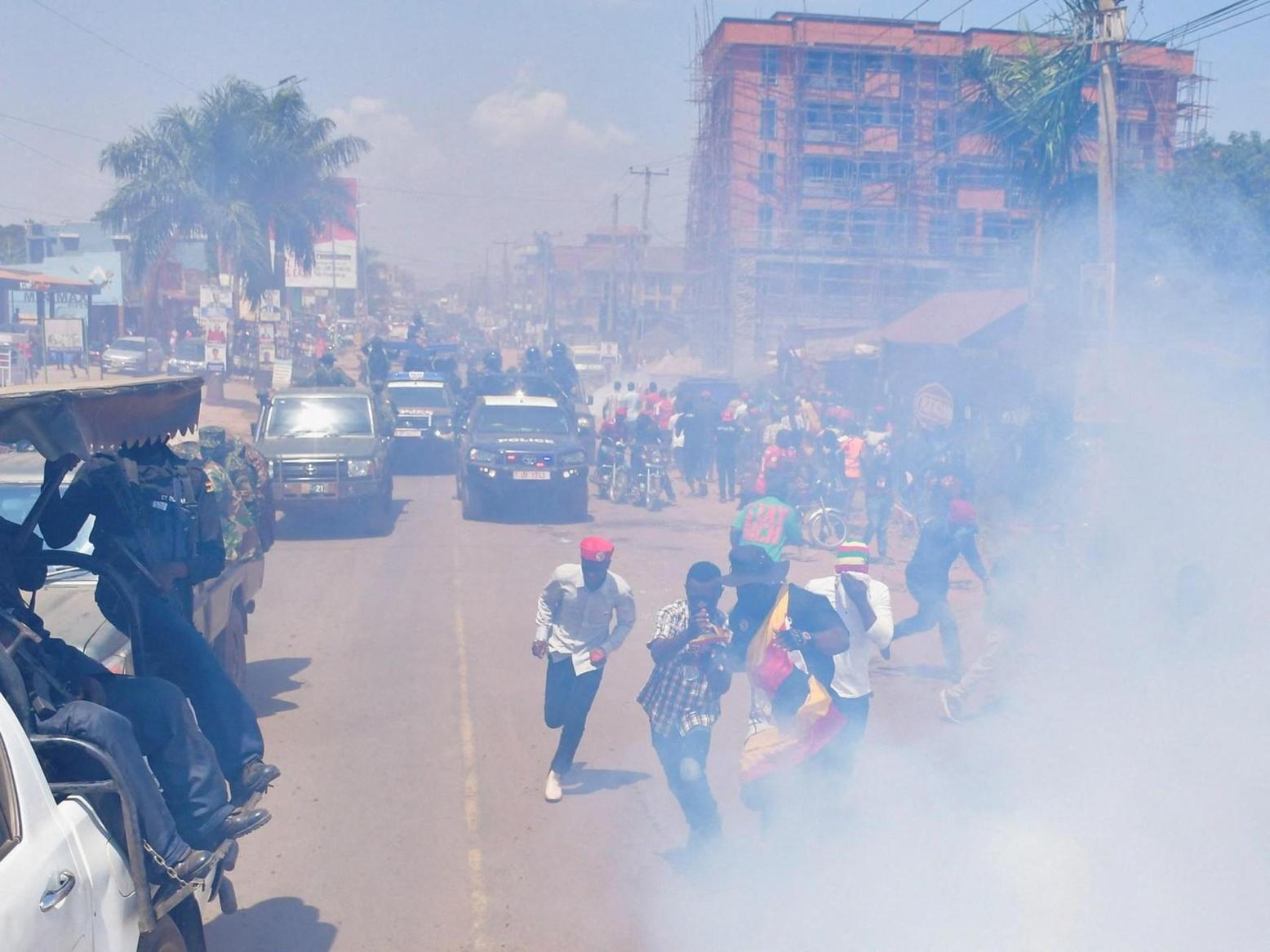
The UN Commissioner also pointed out that Ugandan security forces have resorted to using “tear gas, whips, batons, water cannons, and chemical agents” to disperse opposition supporters, asserting that the election campaigns continue to be characterized by “arbitrary arrests, widespread detentions, and the use of unnecessary or excessive force, as well as restrictions on press freedom.”
He highlighted a rising pattern of “enforced disappearances, torture, and ill-treatment,” including the transportation of individuals in unmarked vehicles known locally as “drones” to unofficial locations referred to as “safe houses,” where they are held incommunicado, violating international law that mandates individuals be detained in recognized official facilities.
Notable Cases and International Pressure
Turk cited several notable cases, including the appearance of one of the opposition leader’s guards in court, “shaking and showing signs of physical torture,” as well as the detention of Kenyan activists for over a month in a place described by the Ugandan president as a “refrigerator.”
He called on Ugandan authorities to conduct a “full and impartial investigation into all allegations of enforced disappearances, arbitrary detention, and torture or ill-treatment,” demanding the release of all those unlawfully deprived of their freedom.
He emphasized the need to “stop all forms of violence against media outlets” amid reports of journalists having their licenses revoked and being assaulted while covering events.
These accusations come at a time when Uganda is heading towards elections widely viewed as a test of the government’s commitment to democratic standards, amid fears that repeated violations could undermine voter and international confidence in the integrity of the electoral process.
Uganda has a long history of political repression, particularly against opposition parties and dissenting voices. The lead-up to elections often sees heightened tensions, with security forces employing aggressive tactics to suppress protests and dissent. This pattern has raised international concerns regarding the country’s commitment to democratic principles and human rights, especially as elections approach.