What You Need to Know
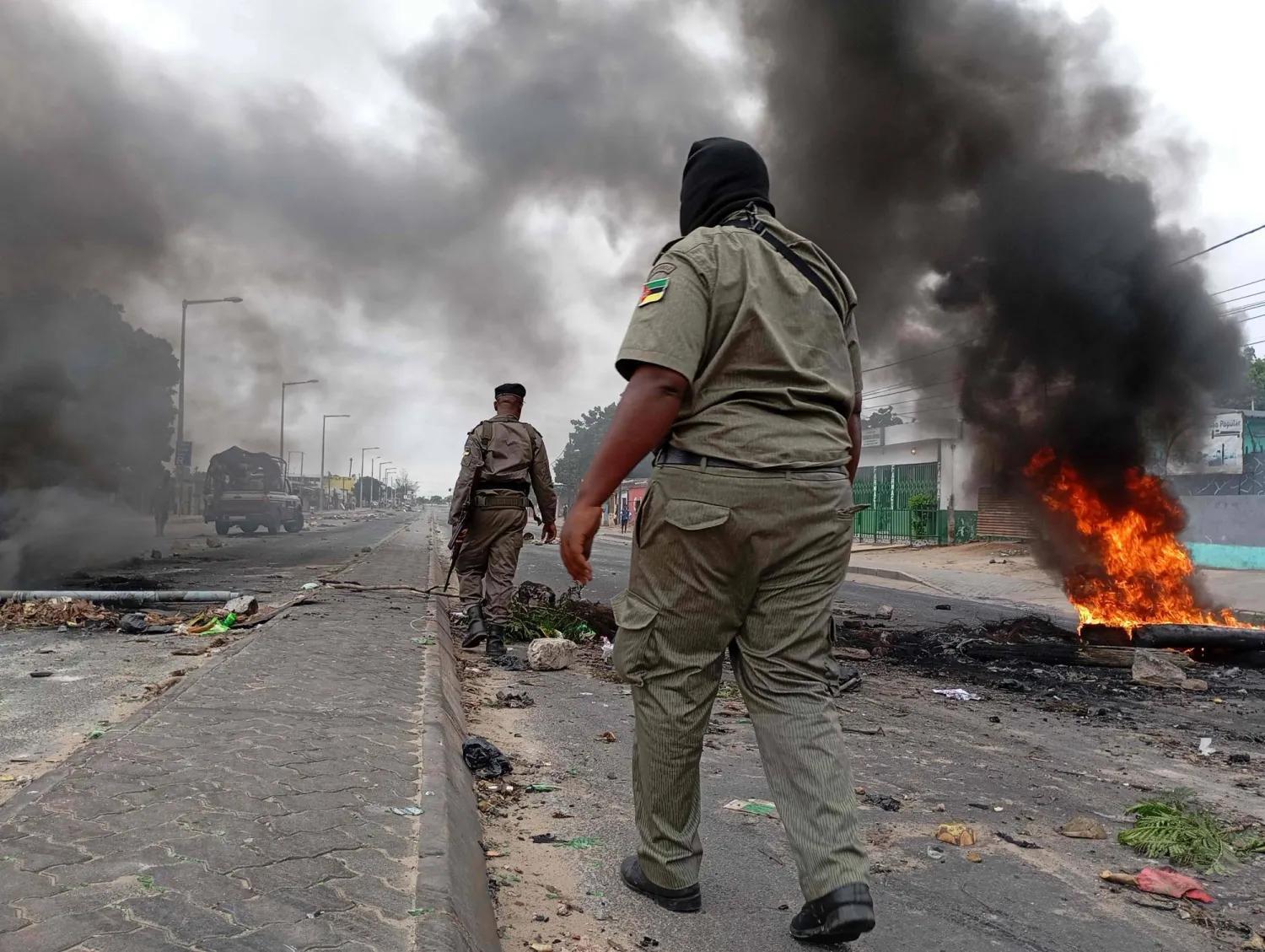
Mozambique’s public prosecutor has interrogated former police chief Bernardino Rafael and former interior minister Pascoal Ronda regarding violence that erupted after the October 2024 elections. This follows a complaint by the civil society organization “Decide” alleging their involvement in human rights violations during the crisis.
Africa-Press. The public prosecutor in Mozambique has interrogated both former police chief Bernardino Rafael and former interior minister Pascoal Ronda as part of investigations into the violence that erupted following the elections between October 2024 and March 2025.
This step comes in response to a complaint filed by the civil society organization “Decide” last April, accusing the former officials of involvement in the deaths and human rights violations that accompanied the crisis. This interrogation marks the second for both since the investigation began.
The session saw the former officials present for no more than an hour inside the prosecutor’s office. According to a source familiar with the case, “This is normal; the main goal was to inform them of the next steps in the investigation.”
In recent weeks, the prosecution has conducted a series of hearings, including officials from the Ministry of the Interior, members of the police command center, and law enforcement officers in the capital Maputo and several provinces.
As the proceedings advance, the prosecution is now preparing to hear from the families of the victims and survivors, alongside representatives from civil society organizations. It is expected that the prosecutor will make a final decision regarding whether to refer the case to court after these sessions are completed.
In this context, Wilker Dias, coordinator of the “Decide” platform, expressed optimism about the investigation’s progress, stating, “I am very confident; the case is heading towards trial.”
Despite the organization’s repeated criticisms of what it sees as a lack of independence in Mozambique’s judicial system, Dias emphasizes that what is happening represents “a unique opportunity to demonstrate the judicial system’s ability to function,” stressing that “achieving justice is a crucial step in the path toward national reconciliation.”
Mozambique has faced significant political turmoil, particularly surrounding its electoral processes. The violence following the 2024 elections has raised concerns about human rights and the integrity of the judicial system. Civil society organizations have been vocal in demanding accountability for those responsible for the unrest, highlighting the need for a transparent investigation to restore public trust in governance.