
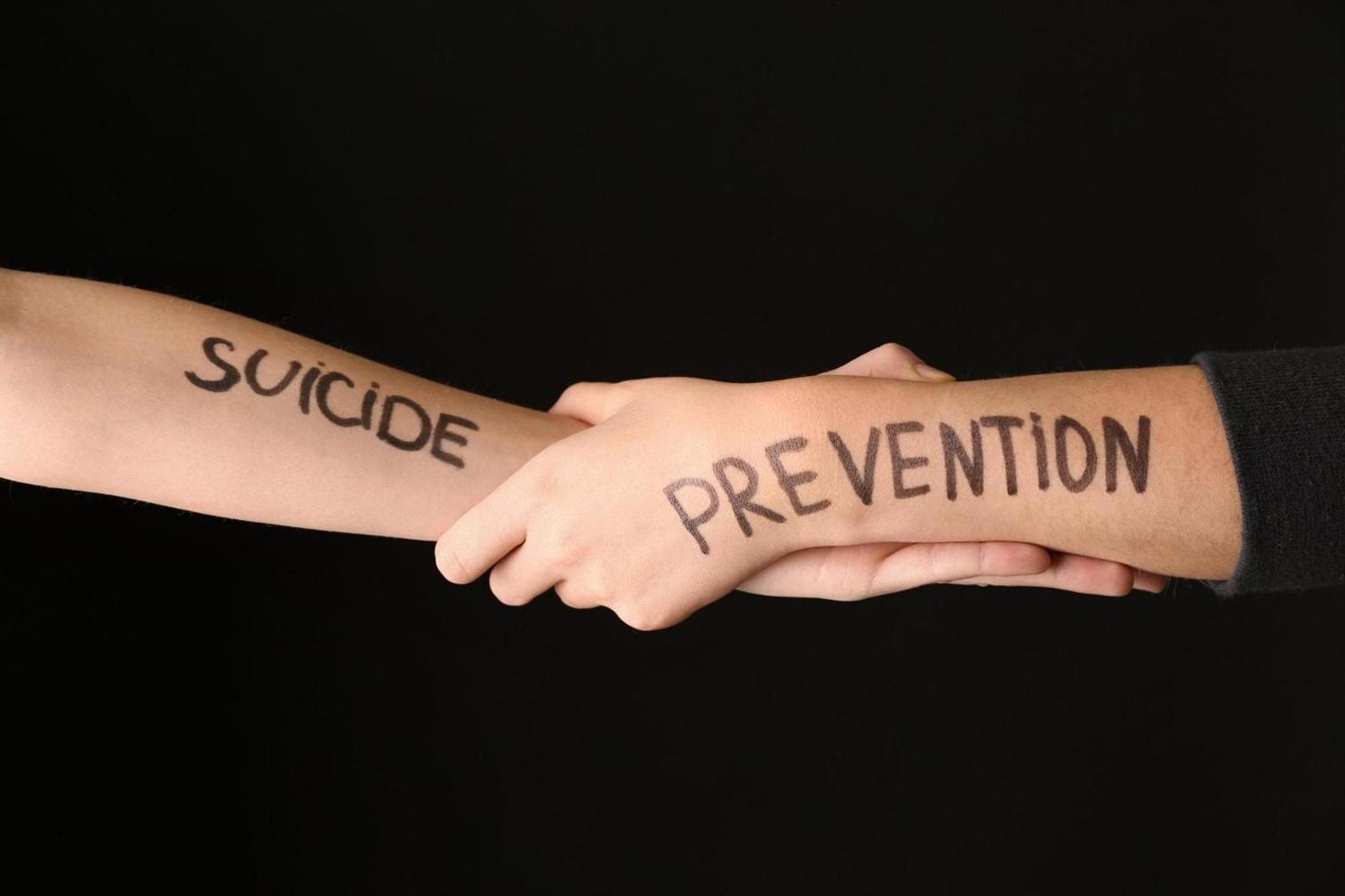
Africa-Press – Eswatini. Nowadays, the act of taking one’s own life, unfortunately, seems to be a decision that is easy to arrive at.
That alone is a scary fact, considering that the lives that are claimed by this very traumatising event belong to people who hold significant positions in hearts and lives. The world that we live in has become a socially, politically and psychologically tense environment with a whole host of things going on, generally, let alone in our personal lives – all of which collaboratively, may be too much for some individuals to cope with.
Struggles
Over a certain amount of time, these psychological struggles begin to paint a picture of negativity, helplessness and despair around that person’s life while slowly mentally ‘selling them the idea’ that they would be better off if they ceased to exist. On account of its indiscriminate nature, the idea of suicide targets all sections of our population, both males and females, regardless of age; another testament to how widespread psychoemotional and mental health issues are these days. The rather unfortunate thing about a suicide case is that most times we are never aware of the signs or the intention that someone may have to go through with it. For this, it is difficult to hold those considered the ‘support system’ of the individual accountable, mainly because suicidal people tend to master the art of shielding and hiding their true psychoemotional plight.
Stigma
As close friends and family members on the ‘outside looking in’, we also tend to be a little too casual in our perception (or monitoring) of an individual with a mental illness or who is showing infantile signs of it. For many of us, the subject of personal mental health space is seen as a ‘no-go’ area even in general conversations because of the stigma attached to it; something that very much works against the efforts we make to quell issues surrounding mental health and eventually suicide. The sad thing about suicide is that the idea of it is hardly born overnight, normally it is an accumulation of demoralising and traumatising life events coupled with a state of mental despair and no foresight of hope or optimism. The individual becomes consumed by an emotional whirlpool of feeling worthless and on account of that, they internalise all these feelings to constitute their being and determine the progression of their existence as individuals.
This not only inflicts damage on their being but it also begins to affect the way they see the world, how they see themselves in the world and their involvement in their immediate environment (their workplace or at school). A lot of this is a gradual process where the individual is ‘sucked into’ this way of thinking of themselves, feelings that draw them into a mental mire, shutting themselves out of the lives of others and secretly suffering without a way of sharing these feelings with anyone else. This is how an individual eventually arrives at the point of taking their own lives. It is vital that we understand that suicide or suicidal signs are a complicated proposition to monitor mainly because the people who may need help struggle to open up and share the fact that they do. Emotionally, the sudden nature of losing a loved one through suicide is particularly difficult to comprehend, especially because most of us feel ‘we are there’ for our friends and family, and it is disappointing that someone would decide to end their life while on ‘our watch’.
Most significantly, however, it speaks to how closely knit we need to be in maintaining our relations with others for reasons such as you may never know what someone is going through
For More News And Analysis About Eswatini Follow Africa-Press