
What You Need to Know
The Mauritius Country Climate and Development Report (CCDR) was launched to analyze sustainable development strategies in response to climate change. Key findings highlight the risks posed by climate change to the economy and infrastructure, while advocating for strategic investments and reforms to enhance resilience and promote growth.
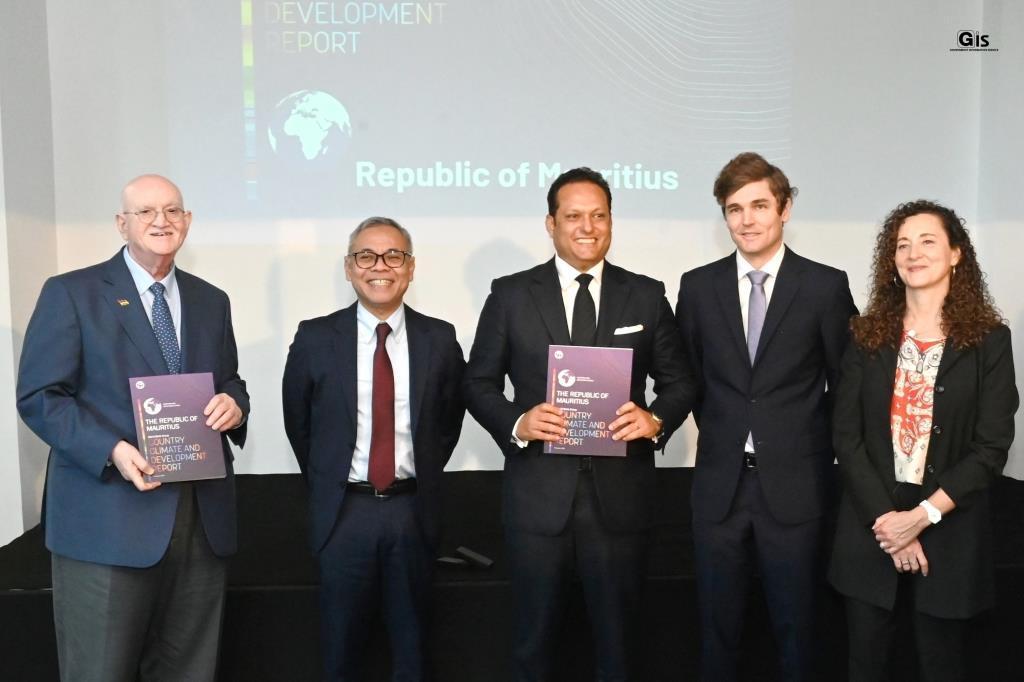
Africa-Press – Mauritius. The Mauritius Country Climate and Development Report (CCDR) aiming to analyse and provide recommendations on the ways the country can achieve sustained development while responding to climate change, was launched today at The Docks in Port Louis.
The event was graced by the presence of the Minister of Environment, Solid Waste Management and Climate change, Mr Rajesh Anand Bhagwan; the Junior Minister of Finance, Mr Dhaneshwar Damry; the World Bank Resident Representative, Mr Sjamsu Rahardja; and Senior Government Officials and development partners.
Key experts from the World Bank, namely Senior Economist, Mr Andrew Blackman, and Senior Climate Change Specialist, Ms Ana Bucher, provided an overview of the CCDR key findings and recommendations.
The report offers an in-depth assessment of Mauritius’ climate vulnerabilities, particularly in sectors such as tourism, ocean economy and fisheries. It highlights that climate change poses significant risks to the country’s economy, infrastructure and coastal communities through sea-level rise, increasing temperatures, heatwaves, droughts, cyclones and flash floods.
The CCDR showcases that well-planned climate adaptation measures can act as a catalyst for economic transformation, job creation and emissions reduction, if supported by structural reforms and sustained private-sector investment. The analysis recommends accelerating adaptation efforts, reinforcing coastal and infrastructure resilience, and pursuing a more diversified and productive economic model to restore Mauritius’ high-income status while reducing long-term climate and fiscal vulnerabilities.
In his address, Minister Bhagwan emphasised the pressing need for a strategic and forward-looking response to climate change and a review of the country’s economic development model. He expressed appreciation to the World Bank for its collaboration and support in the formulation of the Nationally Determined Contribution (NDC) implementation plan and advocated for enhanced access to climate finance.
The Minister underlined that the implementation of NDC 3.0 will require substantial financial resources and reaffirmed Government’s commitment to strengthening both environmental and socio-economic resilience. He further stressed the importance of leveraging innovative financing instruments within the limited fiscal space, while ensuring a just inclusive, transition in the country.
For his part, Junior Minister Damry highlighted the importance of prioritising climate-responsive investments in key sectors such as energy and transport. He reiterated Government’s efforts to advance strategic infrastructure projects, including the construction of the Rivière des Anguilles Dam, to enhance water security. He also reaffirmed Mauritius’ ambition to position itself as a financial hub to attract global investors, and called on the private sector to bring forward innovative and viable investment initiatives.
Mr Rahardja reiterated the World Bank’s continued commitment to working closely with Government, the private sector, civil society and development partners to strengthen resilience, promote sustainable growth and generate employment opportunities.
Mauritius has faced increasing climate challenges, impacting its economy, particularly in tourism and fisheries. The CCDR aims to address these vulnerabilities by proposing adaptation measures that can drive economic transformation. The report emphasizes the need for a diversified economic model to ensure long-term sustainability and resilience against climate impacts.
Historically, Mauritius has relied heavily on its natural resources, making it susceptible to climate-related disruptions. The government’s commitment to enhancing climate finance and strategic investments reflects a proactive approach to safeguarding the nation’s future while promoting inclusive growth.