Africa-Press – Cape verde. Cape Verde is implementing a multi-risk warning system to prevent the effects of climate change. The Minister of Agriculture and Environment, Gilberto Silva, states that the initiative will strengthen early warning systems through fundamental pillars such as knowledge of disaster risk.
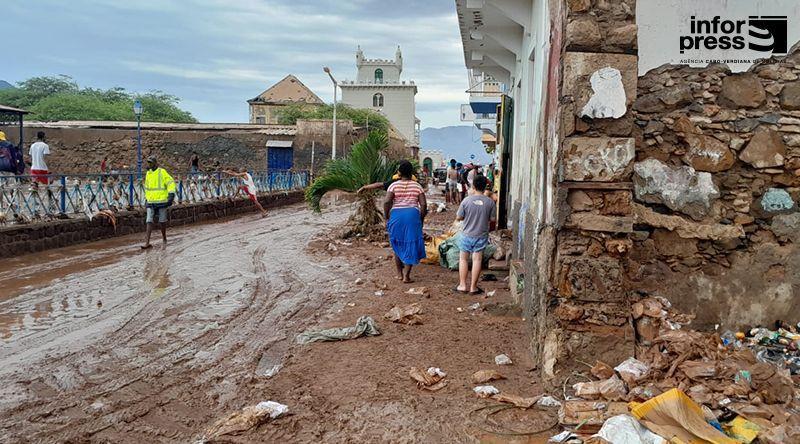
Given the frequent occurrences of extreme weather events that leave trails of destruction, such as the severe droughts and, more recently, torrential rains in São Vicente and the northern region of Santiago Island, the government of Cape Verde is implementing the “Early Warnings for All” (EW4All) initiative, a global United Nations initiative that aims to ensure that all people are protected by Multi-Hazard Early Warning Systems by 2027.
According to the Minister of Agriculture and Environment, Gilberto Silva, the initiative strengthens multi-hazard early warning systems through fundamental pillars such as knowledge of disaster risk.
“It is a set of capabilities that begins with knowledge of risk. We need to increase climate literacy in this area in our country. It involves observation and precision. It requires dissemination and communication, culminating in the preparation and execution of a good response.”
For the Resident Coordinator of the United Nations System in the country, Patrícia Portela de Souza, Cape Verde has contributed very little to global warming. Globally, Cape Verde faces the disproportionate and intense consequences of climate change. Therefore, it is the duty of the United Nations System to further strengthen its support for Cape Verde.
“What this initiative will offer is added value through unity and efforts. It provides a clear framework for aligning institutions, sectors, partners and investments around a common national objective.”
The concept of “Early Warnings for All” refers to warning systems that allow for the anticipation of natural disasters and climate risks, providing timely information to the population so that they can act safely and reduce impacts. These systems integrate scientific and technological data, such as weather forecasts and monitoring of natural phenomena, and communicate alerts through multiple channels, including mobile phones, radio and television.
For More News And Analysis About Cape verde Follow Africa-Press