What You Need to Know
In a groundbreaking conference in Rabat, Morocco, African terrorism victims voiced their experiences for the first time. The event aimed to establish an electronic platform for best practices in supporting these victims, emphasizing the need for justice and resilience in the face of terrorism across the continent.
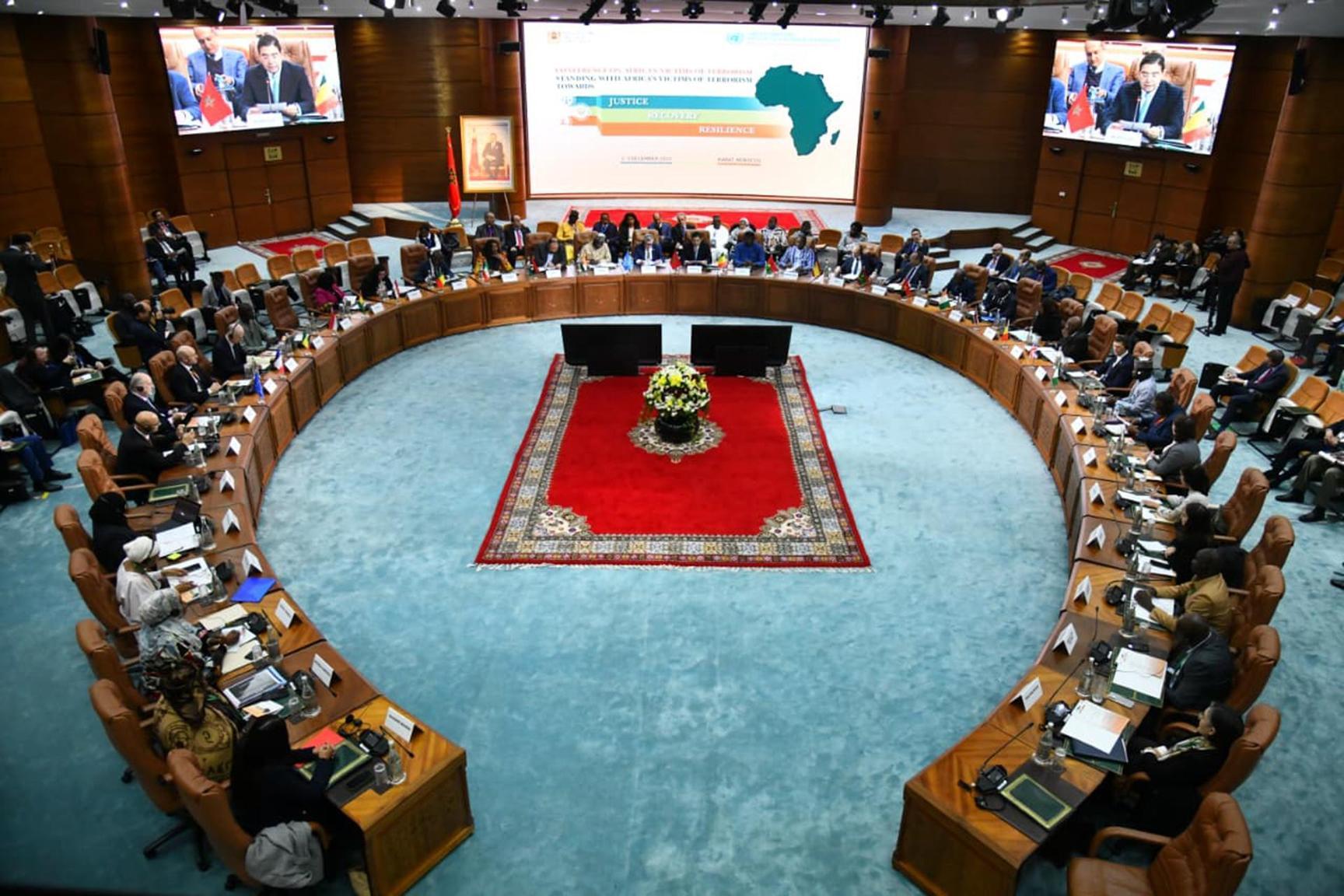
Africa. In Rabat, an electronic platform for best practices to support African terrorism victims is set to launch at the conclusion of an international conference organized by Morocco in partnership with the United Nations Office of Counter-Terrorism. The conference, themed “Supporting Terrorism Victims in Africa: Towards Justice, Recovery, and Resilience,” is unprecedented in placing victims and survivors at the center of institutional discussions related to counter-terrorism in Africa.
This event, attended by ministers from several African countries, UN officials, experts, and associations, aims to provide a platform for exchanging experiences on the pivotal role of African terrorism victims in counter-terrorism efforts. It seeks to enhance national approaches to support victims and encourage greater mobilization to ensure they receive the recognition and assistance they need.
In his opening speech, Moroccan Foreign Minister Nasser Bourita stated that terrorism in Africa is not merely a security crisis but a collective tragedy affecting souls and memories, with impacts that extend beyond the material dimension. He noted that Africa has become the most affected region by terrorism globally, citing that West Africa alone witnessed approximately 450 terrorist attacks in 2025, resulting in over 1,900 deaths. The Sahel region has become a primary hotspot for attacks, victim numbers, and the widening scope of insecurity and instability.
Bourita called for a shared African vision that places victims at the heart of policies, considering them active participants in combating terrorism and violent extremism. He emphasized the need to leverage the diversity of African experiences to develop a clearer understanding of the needs of victims and survivors, gradually shaping a common African framework from which public policies can be inspired.
He highlighted Morocco’s vision for combating terrorism, which includes a comprehensive three-dimensional approach:
1. Security Dimension: Continuous vigilance, dismantling terrorist cells, and drying up their funding sources.
2. Development Dimension: Reducing vulnerability and fighting poverty.
3. Religious and Intellectual Dimension: Reforming the religious field, training imams and guides, and promoting values of moderation and tolerance.
Bourita urged international partners to support African initiatives aimed at assisting victims and financing innovative mechanisms, including continental networks and digital platforms.
Meanwhile, Alexander Zuev, Acting Under-Secretary-General of the United Nations Office of Counter-Terrorism, stated that terrorist activities in Africa, particularly in West Africa and the Sahel, have led to the displacement of over 4 million people. He emphasized that efforts to combat terrorism are insufficient and called for a focus on the humanitarian cost, establishing legal, political, and humanitarian frameworks to achieve justice for victims and ensure their redress.
Zuev noted that the UN is working to expand the network of terrorism victim associations launched in April to build a community focused on victims’ rights.
Sessions and Discussions
Libya’s Minister of Youth in the Government of National Unity, Fathallah Abdul-Latif Al-Zani, stated that his country has been a direct victim of terrorism and cross-border projects. He added that “New Libya will not be a battleground or a base for exporting violence, but a serious partner in regional and international stability,” emphasizing that Libyans will not compromise on their right to a secure state across their territory.
The conference included three general sessions featuring representatives from governments, international and regional organizations, victim associations, civil society, and experts in human rights, justice, and counter-terrorism. The sessions discussed the deep humanitarian consequences of terrorism in Africa, presenting testimonies from survivors and community representatives about the psychological trauma, displacement, and long-term social and economic disruptions caused by violent extremism.
They also addressed the current state of legislation and institutional arrangements to support terrorism victims in Africa and victim-centered approaches to prevent and combat violent extremism, as well as how victims’ experiences and narratives can contribute to developing more effective preventive strategies.
Security and military expert Mohamed Al-Tayar believes this conference is not an isolated step but an extension of King Mohammed VI’s vision based on African solidarity and collective stability. He stated that the “Rabat Declaration” adopted by participants provides an advanced model by placing victims at the core of the discussion, considering their testimonies and needs as a fundamental basis for any effective approach to combating terrorism.
He noted that Morocco’s hosting of this first-of-its-kind international conference in Africa carries strong implications that go beyond organizational aspects, reflecting growing confidence in its institutions and their ability to provide a space for calm and responsible discussion on a complex phenomenon intersecting security, rights, and development dimensions. He affirmed that Morocco has become a “key player in regional stability efforts and a supportive voice for justice and victim protection.”
He explained that Morocco’s approach to combating terrorism combines security rigor with a humanitarian dimension, balancing prevention and combating extremism on one hand and ensuring redress for victims on the other.
Rabat Declaration
Participants adopted the “Rabat Declaration” on supporting African terrorism victims, committing to recognizing the inherent rights of all victims to truth, justice, recognition, memory, and redress, and ensuring they are treated with dignity and respect at all stages of response and recovery.
They called on member states to enhance their national laws and support systems in line with recognized international best practices, such as the UN’s model legislative provisions for victims of terrorism, while considering national peculiarities, legal references, and constitutional systems.
They also urged accountability for perpetrators of terrorist acts, including through international judicial cooperation and mutual legal assistance, and encouraged the development of comprehensive mechanisms providing psychological, medical, social, and economic support for victims and their families.
The declaration emphasized the need to enhance the role of victims and survivors in preventing extremism and combating extremist ideologies, facilitating their active participation in the preparation and implementation of counter-terrorism policies and strategies while ensuring their protection from any re-victimization or exploitation.
International partners and donors were urged to support African initiatives aimed at assisting victims, stressing the importance of encouraging memorial initiatives and national registers for terrorism victims, and establishing a digital African platform to document the resilience of victims, similar to the platform for experiences and best practices launched during this conference.
Mohamed Al-Tayar noted that through this conference, the discussion on terrorism has shifted from a focus on “combating organizations” to “supporting victims,” granting the affected human faces a rightful place in the international response to this scourge. He affirmed that this comes in an African context witnessing multiple hotspots of armed violence, making the provision of a continental platform for victims a “strategic step towards building comprehensive policies based on memory, justice, and redress.”
It is worth noting that in June 2021, the UN Office of Counter-Terrorism and Training in Africa was inaugurated in Rabat, working to develop training and enhance Africa’s capacities in this field, particularly regarding border security and management, investigations, prosecutions, prison management, disengagement, rehabilitation, and reintegration.
The issue of terrorism in Africa has escalated in recent years, with the continent becoming increasingly affected by violent extremism. Countries in West Africa and the Sahel region have witnessed a surge in attacks, leading to significant loss of life and displacement. This conference marks a pivotal moment in recognizing the voices of victims and integrating their needs into counter-terrorism strategies, reflecting a shift towards a more inclusive approach in addressing the humanitarian impacts of terrorism.