What You Need to Know
Recent clashes near the DRC border have resulted in the deaths of at least 20 Burundian soldiers in confrontations with M23 rebels. Concurrently, a military court in Kinshasa sentenced four high-ranking generals to prison for negligence and fleeing from the enemy, following the fall of Goma to the rebels. This escalation raises concerns about a broader regional conflict involving neighboring Rwand
Africa. Military sources have reported the deaths of at least 20 Burundian soldiers during fierce battles with M23 rebels near the shared border with the Democratic Republic of the Congo. Concurrently, a military court in Kinshasa issued prison sentences for four prominent generals following the fall of the city of Goma to the rebels.
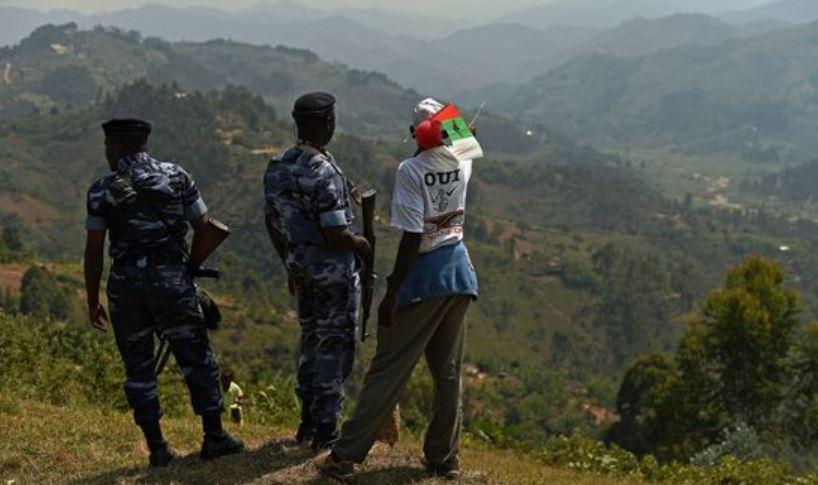
The clashes erupted in the border area of Ruzizi, where Burundian forces participated in a regional alliance supporting the Congolese army.
Local sources indicated that the fighting was intense, with shelling targeting positions within Burundian territory, prompting Bujumbura to describe the incident as “unacceptable” and threaten retaliation.
This development has raised fears of an expanded conflict that could lead to direct confrontations between Congolese rebels and Burundi, amid mutual accusations of Rwandan involvement in support of the rebels, complicating the security landscape in the region.
Trial of Generals in Kinshasa
In parallel with the military escalation, the High Military Court in Kinshasa sentenced four prominent generals from the army and police to prison after being convicted of “negligence” and “fleeing before the enemy.”
The sentences ranged from one to three years, with notable convictions including the police commissioner and Romuald Ekuka, a former deputy governor of North Kivu, who received a three-year sentence.
These trials came in the wake of Goma’s fall, which was seen as a severe blow to the Congolese state’s credibility and sparked widespread public anger against the military establishment.
Complex Regional Context
The conflict in Eastern Congo is no longer merely an internal affair; it has transformed into a regional battleground involving the interests of Rwanda, Burundi, and Uganda.
Despite a recent peace agreement signed in Washington, the ongoing fighting and casualties among Burundian forces threaten to derail diplomatic efforts and raise questions about the seriousness of the parties in committing to a political resolution.
These developments reveal a dual crisis: the escalating violence that draws neighboring countries into the heart of the conflict, and the internal instability of the Congolese military through the trials of prominent generals. As the international community watches the outcomes of the latest peace agreement, Eastern Congo appears to be heading toward a more perilous phase, where local and regional calculations intersect in a landscape open to the possibilities of escalation or de-escalation.
The conflict in Eastern Congo has deep roots, with various armed groups vying for control and influence in the region. The M23 rebel group, which has been active since 2012, has received accusations of support from Rwanda, complicating the already tense relations between the neighboring countries. The situation is further exacerbated by the involvement of Burundi and Uganda, making it a multifaceted regional issue.
In recent years, attempts at peace agreements have been made, including a recent one signed in Washington. However, ongoing violence and military setbacks for the Congolese army have raised doubts about the commitment of involved parties to a political solution. The recent trials