What You Need to Know
Nigeria has completed a significant arms deal with Italy, purchasing 24 M-346FA fighter jets for approximately €1.2 billion. This acquisition is part of Nigeria’s strategy to modernize its air force and expand operational capabilities, with deliveries expected to begin in early 2025 and complete by mid-2026.
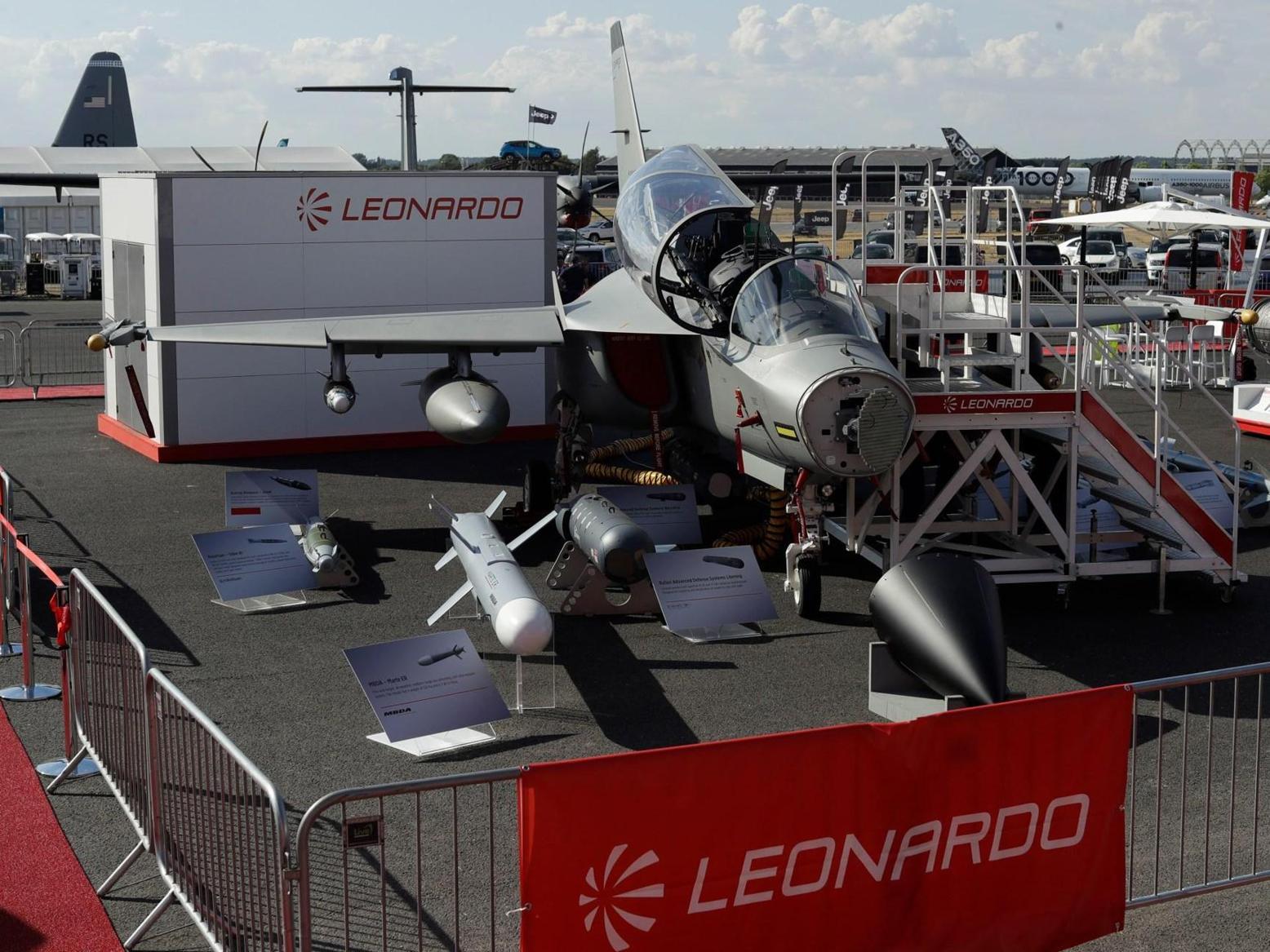
Africa. Nigeria has announced the completion of a deal to purchase 24 M-346FA fighter jets from the Italian aerospace and defense company Leonardo, valued at approximately €1.2 billion, which includes long-term maintenance and support contracts.
This deal is part of Nigeria’s plan to modernize its air force and expand its operational capabilities, with deliveries expected to begin in early 2025, starting with three aircraft, and the full fleet is anticipated to be delivered by mid-2026.
Previously, the government approved a borrowing plan of $618 million to purchase six attack aircraft of the same model, along with accompanying munitions.
In addition to these fighter jets, Abuja is working to enhance its capabilities by purchasing helicopters and support systems, in an effort to restructure the air force to meet rising security challenges.
Security Context
The deal coincides with ongoing complex internal crises, notably the armed insurgency in the northeast, the spread of armed gangs in the northwest, and community conflicts in the central belt. These challenges have drained state resources and led to widespread displacement, negatively affecting investor confidence in the region.
Observers believe that the introduction of modern fighter jets with advanced combat and reconnaissance capabilities will provide Nigeria with additional tools to confront these threats and enhance its ability to carry out precise strikes against armed groups.
The choice of Italy as a partner in arms procurement signifies a shift in Nigeria’s defense strategy, moving away from traditional reliance on the United States, Russia, or China. Italian companies offer modern equipment at relatively lower prices, along with maintenance services and technology transfer, providing Abuja with greater flexibility in managing its military capabilities.
Nigeria has faced numerous security challenges, including armed insurgencies and communal conflicts, particularly in the northeast and northwest regions. These issues have strained national resources and led to widespread displacement, impacting investor confidence in the country. The recent arms deal with Italy reflects a shift in Nigeria’s defense strategy, moving away from traditional reliance on major powers like the U.S., Russia, and China, towards partnerships that offer modern equipment at competitive prices.