What You Need to Know
Guinea conducted its presidential elections with approximately 85% voter turnout, despite a boycott from the opposition. The elections follow a military coup in 2021, with the ruling military leader, General Mamadi Doumbouya, expected to win. Critics have condemned the elections as a sham, citing the exclusion of key opposition figures and a climate of repression.
Africa. Approximately 85% of eligible voters in Guinea cast their ballots for president, according to the General Directorate of Elections, following four years of military rule under General Mamadi Doumbouya.
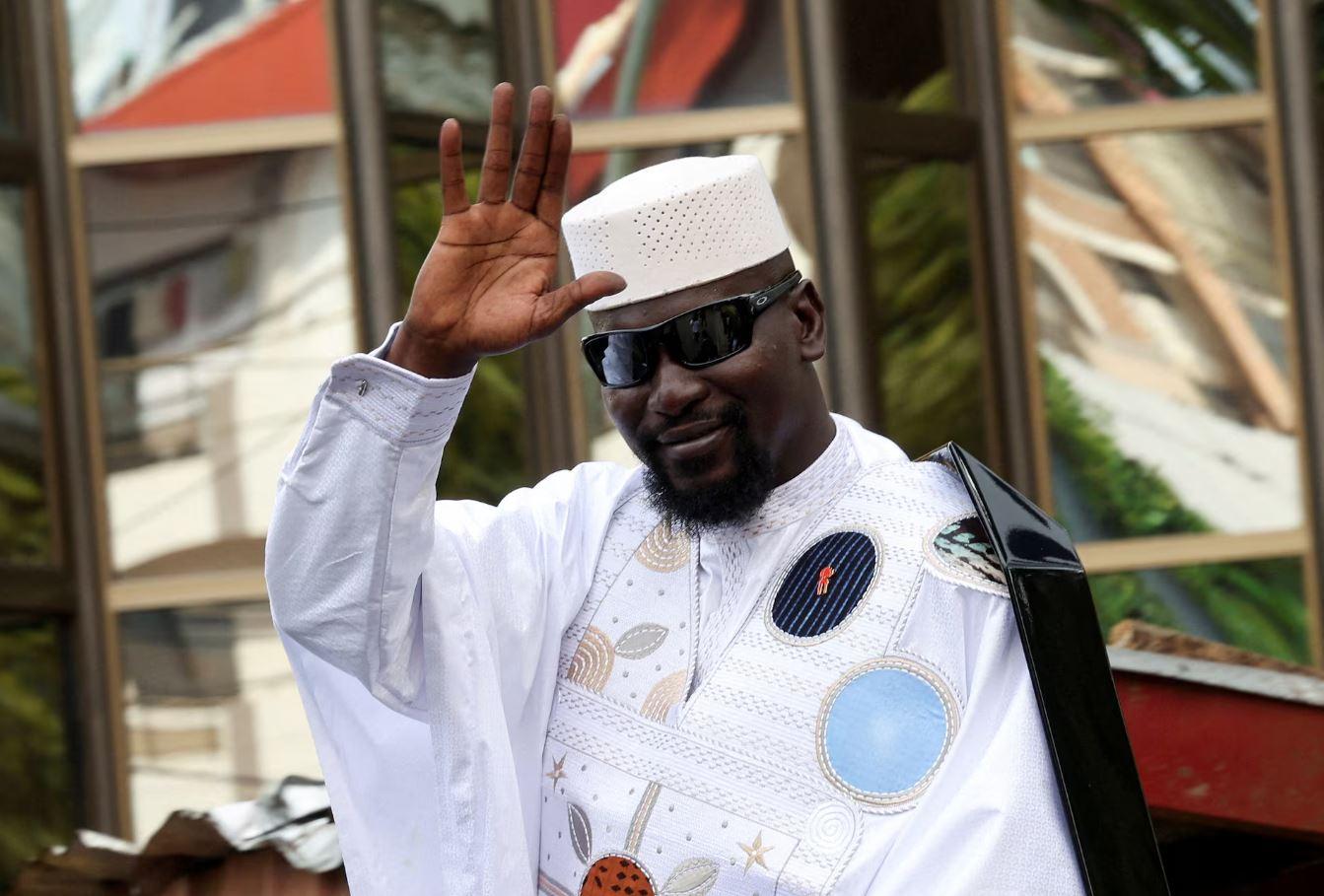
There are 6.8 million voters choosing from nine candidates, including General Doumbouya (41), whose victory in the first round seems almost certain, while most of his competitors are relatively unknown due to the exclusion of prominent opposition figures from the elections.
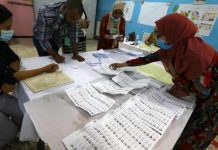
Polling stations were open until 7 PM, although some were closed, and results are expected within 48 hours. Vote counting began after polling stations closed in the capital, Conakry, at the scheduled time of 6 PM local time (18:00 GMT). There have been no reports of major issues.
Many independent observers noted that voting took place in a calm atmosphere without violence.
Criticism of the Elections
The opposition called for a boycott of the elections, the first since the September 2021 coup that ousted civilian President Alpha Condé, who had been in power since 2010.
Condé, along with former Prime Ministers Sidya Touré and Dalins Diallo, who all reside outside Guinea, were not allowed to run in the elections. Diallo described this election as a “farce” aimed at legitimizing the “usurpation” of power.
The United Nations condemned what it termed the “intimidation” of opposition figures, noting that it overshadowed the electoral campaign.
Initially, the military had pledged to return power to civilians by the end of 2024, but it has not fulfilled this promise. A climate of repression has prevailed in Guinea, marked by increasing arrests, the suspension of political parties, enforced disappearances, and the abduction of opposition members.
In late September, Guineans approved a new constitution in a referendum that the opposition called for a boycott, yet official figures indicated a participation rate of 91%. The new constitution allows military members to run for office, paving the way for Doumbouya’s candidacy.
Additionally, the new constitution extends the presidential term from five to seven years, renewable once.
Guinea has experienced significant political turmoil since a military coup in September 2021, which ousted President Alpha Condé, who had been in power since 2010. The military government initially promised a return to civilian rule by the end of 2024, but has faced criticism for failing to uphold this commitment and for suppressing dissent, leading to a tense political environment.