What You Need to Know
Gabon has officially declared the end of its political transition following the military coup on August 30, 2023. This transition concluded over five decades of Bongo family rule, with new elections and the establishment of elected institutions.
Africa. Gabon has officially announced the end of the political transition that followed the military coup on August 30, 2023, which ended more than five decades of Bongo family rule.
This announcement came after the completion of the replacement of all transitional institutions established by the military, either through general elections or presidential decrees, confirming the authorities’ commitment to the announced timeline for exiting the transitional phase. By the end of December, there were no longer any transitional institutions in the country.
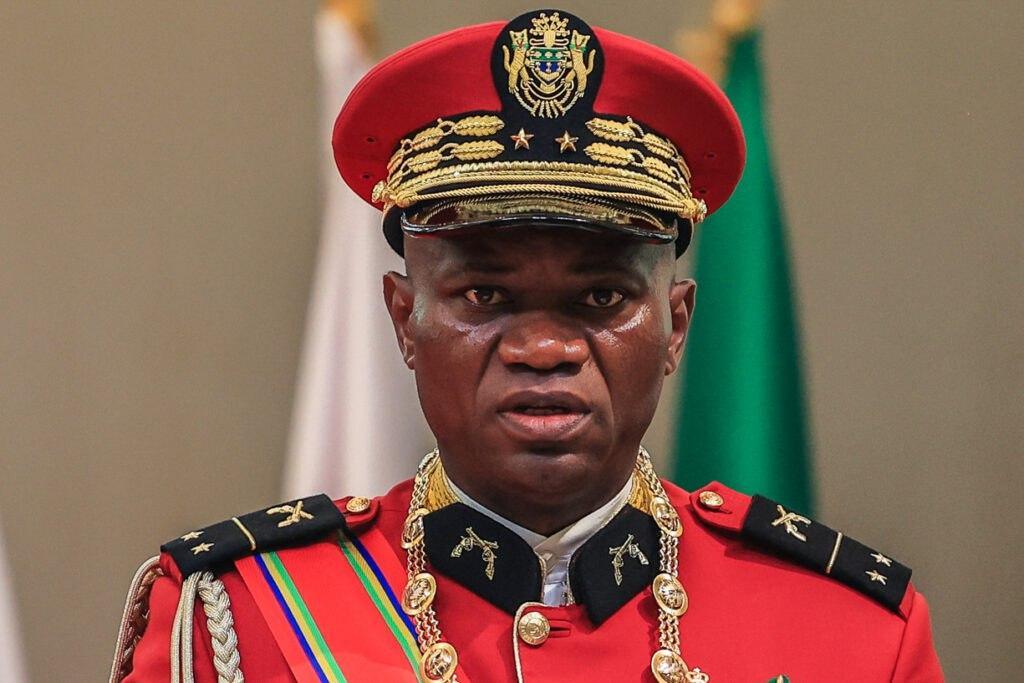
The crucial step to end the transitional phase began with the presidential elections on April 12, which resulted in the victory of Brice Clotaire Oligui Nguema. With his swearing-in on May 3, he was no longer referred to as the transitional president but as the elected president of the republic, marking an official shift in the nature of the existing authority in the country.
In this context, the transitional military council, which managed Gabon’s affairs following the coup, was dissolved, and military personnel returned to their barracks, a move seen as a sign of the end of the military’s direct role in governance.
The announced timeline also included organizing legislative and local elections, which took place in October and November, resulting in the termination of the transitional parliament and the formation of elected legislative and local institutions.
The Constitutional Court and the Economic and Social Council were the last two transitional institutions that continued to operate after the coup. Their final establishment was completed with the issuance of two presidential decrees on December 25 and 26, appointing the heads of these institutions, thereby fully closing the chapter on transitional structures.
The former military authorities assert that they have fulfilled their commitment to return power to civilians within a period not exceeding two years, considering the completion of the new institutions as evidence of the success of the political transition process.
Conversely, opposition forces argue that the military has not achieved the institutional reforms promised and accuse it of maintaining elements of the previous regime, despite the superficial changes to the structure of governance.
Gabon has experienced significant political upheaval, particularly with the military coup that took place on August 30, 2023. This coup ended a long-standing political dynasty, leading to a transitional government that aimed to restore civilian rule. The transition involved elections and the establishment of new governmental institutions, reflecting a shift in the political landscape of the country.
The military’s role in Gabon’s governance has been a point of contention, with promises made to return power to civilians. The recent elections and the dissolution of transitional bodies signify a critical moment in Gabon’s political history, as the nation seeks to stabilize and move forward.