What You Need to Know
The Central African Republic is the last African nation clinging to the Wagner Group for security and stability, despite significant changes in the organization following the mysterious death of its leader, Yevgeny Prigozhin. While Russia has integrated Wagner’s branches in Mali and Burkina Faso into its defense ministry, the Central African Republic shows clear resistance to this transition.
Africa. The Central African Republic is the only country in Africa that remains committed to the Wagner Group for security and stability, despite significant changes within the organization following the mysterious death of its leader, Yevgeny Prigozhin, in Russia.
According to a French newspaper, while Moscow has successfully integrated Wagner’s branches in Mali and Burkina Faso into the Russian Ministry of Defense, the Central African Republic shows clear resistance to this transition.
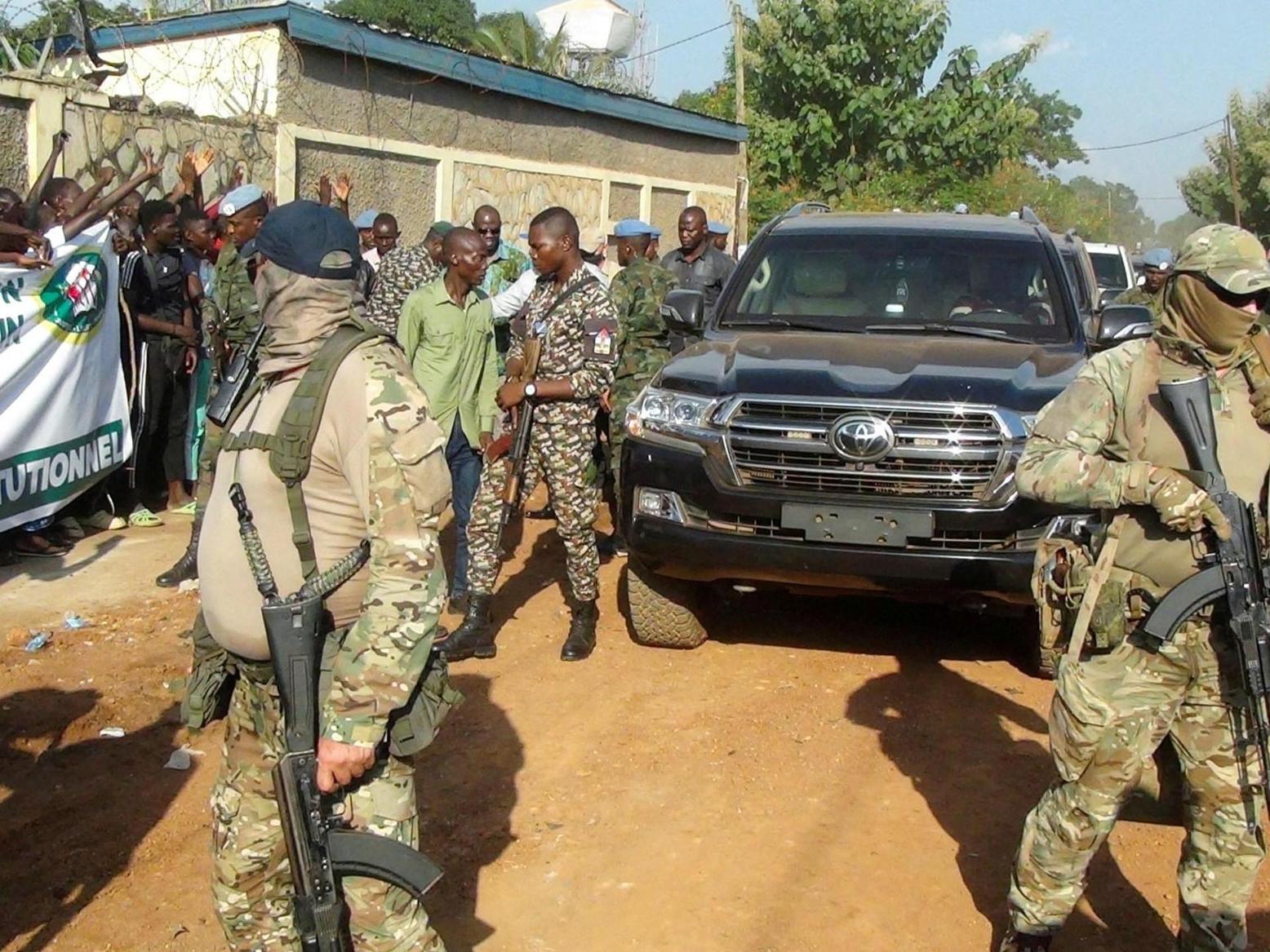
Military experts estimate that around 1,500 Wagner soldiers are present in the Central African Republic, having integrated into the local fabric and infiltrated the security system, with the group’s leader, Dmitry Syty, serving as a personal advisor to the president.
The newspaper reported that several Russian officials have traveled to the Central African Republic recently to finalize a contract that would officially establish the “African Legion” there instead of Wagner, with indications that this will happen soon.
According to the writer, the main issue in transitioning to the “African Legion” lies in the financial aspect. The Wagner Group relies on self-funding through resource extraction, including gold, diamonds, and timber.
Currently, Moscow demands cash payments for the services of the new legion, ranging from $4 to $15 million monthly, a burden that the struggling state cannot bear.
Since 2018, the Wagner Group has formed the backbone of power stability in Bangui, preventing the capital’s fall in 2020 and reclaiming large areas of the country from rebels.
Despite the deaths of the group’s founders, Yevgeny Prigozhin and Dmitry Utkin, in August 2023, their metal statue remains in front of the “Russian House” in Bangui, symbolizing a partnership that local authorities are reluctant to abandon.
For the Bangui government, Wagner represents both personal and security significance. Pascal Koygbi, the Minister of Public Works in the Central African Republic and one of the architects of dialogue with Moscow, believes that the Russians have “adapted to the jungles” and built social ties in the country.
The newspaper states: “There is no absolute transparency regarding defense,” adding, “It is an internal Russian issue; it is a restructuring on their part.” A Western diplomat revealed to the newspaper that the Russian ambassador in Bangui, Alexander Bikantov, admits he is not well-versed in the details of the matter.
Nevertheless, the authorities remain committed to their “Wagner,” awaiting the outcomes of the upcoming presidential election results in January, which may mark a final turning point toward the new Russian structure.
The Wagner Group has played a crucial role in the Central African Republic since 2018, acting as a stabilizing force for the government in Bangui. The group helped prevent the fall of the capital in 2020 and has been involved in reclaiming territory from rebels. Despite the deaths of its founders in August 2023, the local authorities continue to rely on Wagner’s presence, viewing it as vital for their security and political stability.