What You Need to Know
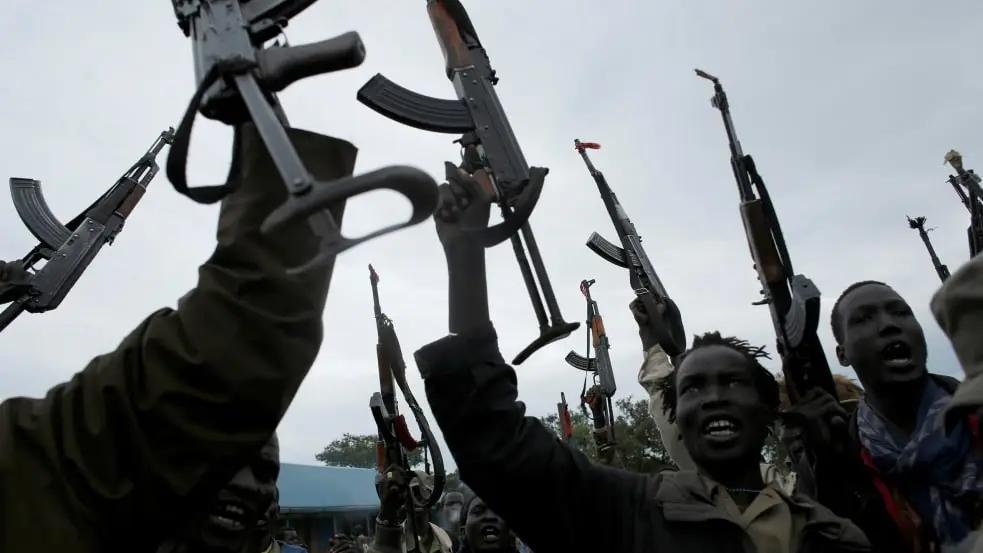
The main opposition faction in South Sudan has called on its forces to advance towards the capital, Juba, following their capture of a strategic town last week. This escalation in rhetoric comes after months of violent clashes across the country, raising concerns about the potential for renewed conflict in the region.
Africa. The main opposition faction in South Sudan has called on its forces to advance towards the capital, Juba, after capturing a strategic town last week.
It remains unclear whether the Sudan People’s Liberation Army – In Opposition, which fought against President Salva Kiir’s forces during the civil war from 2013 to 2018, can effectively threaten Juba.
However, this call indicates an escalation in the rhetoric of the Sudan People’s Liberation Army – In Opposition and its ambitions, following months of violent clashes across the country, which the United Nations has described as occurring at a scale not seen since 2017.
The Sudan People’s Liberation Army – In Opposition recently captured the town of Pajut, located over 300 kilometers (180 miles) north of the capital, in fierce battles last week in Jonglei State. The capture of Pajut brings the state capital, Bor, within reach of the Sudan People’s Liberation Army – In Opposition.
Colonel Lam Paul Gabriel, a spokesperson for the Sudan People’s Liberation Army – In Opposition, stated that the Deputy Chief of Operations, Wesley Wilibi Samson, has ordered the forces to “move towards Juba from all parts of South Sudan and remove the anti-peace regime in Juba.”
Kiir’s forces have fought against those loyal to his deputy, Riek Machar, during the 2013-2018 war, which was largely based on ethnic divisions and resulted in the deaths of around 400,000 people. The peace agreement signed in 2018 helped to calm the conflict, although sporadic clashes have continued.
Fighting escalated again last year after a militia with historical ties to the Sudan People’s Liberation Army – In Opposition seized a military base in the city of Nasir in the northeast.
The government then arrested Machar, who returned to the position of Vice President under the peace agreement, and charged him with treason and crimes against humanity for his alleged role in the incident. Machar has denied these charges during his ongoing trial.
Paul Deng Paul, a civil society activist in Jonglei, stated that the ongoing fighting since last week has forced many residents to flee their homes, with many seeking refuge in uninhabitable swamps.
The United Nations Human Rights Commission in South Sudan condemned the “deliberate sabotage” of the 2018 peace agreement, including what it described as indiscriminate aerial bombardments.
South Sudan has experienced significant turmoil since its independence in 2011, with a civil war erupting in 2013 primarily along ethnic lines. The conflict has resulted in the deaths of approximately 400,000 people and has led to a fragile peace agreement in 2018. Despite this, sporadic violence has persisted, indicating ongoing tensions between rival factions.
In recent developments, fighting has intensified again, particularly after a militia with historical ties to the opposition captured a military base in the northeast. The political landscape remains volatile, with ongoing accusations and arrests complicating the peace process and the stability of the region.