What You Need to Know
Mozambique is experiencing widespread flooding due to heavy rains, forcing thousands to flee their homes. The International Federation of Red Cross and Red Crescent Societies reports over 620,000 people affected, with 72,000 homes submerged. Rescue teams are struggling to reach those trapped as water levels rise, prompting urgent humanitarian efforts.
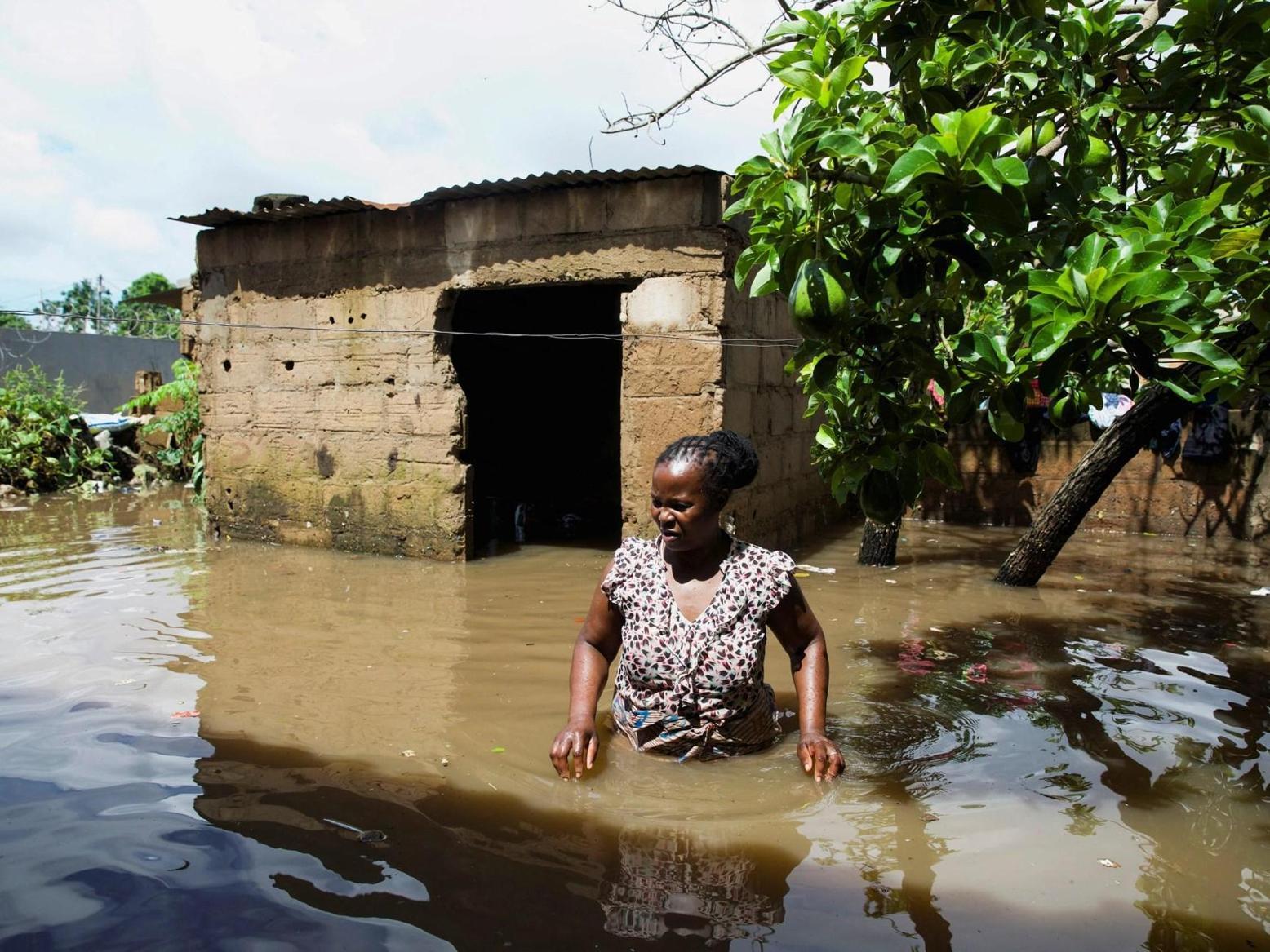
Africa. Mozambique has been experiencing widespread flooding for several days due to heavy rains, forcing thousands of residents to flee their homes, while others have sought refuge on rooftops to escape rising waters that have submerged entire villages and areas.
According to the International Federation of Red Cross and Red Crescent Societies, over 620,000 people have been directly affected, with approximately 72,000 homes submerged, and damage inflicted on roads, bridges, and health centers. Authorities have confirmed that dams have reached their maximum capacity, raising concerns about worsening conditions in the coming days.
Rescue teams have used small fishing boats to reach those stranded, but access to affected areas is becoming increasingly difficult as water levels continue to rise. South Africa has dispatched an Air Force helicopter to support relief operations.
President Daniel Chaputo announced the cancellation of his participation in the Davos Economic Forum, emphasizing that “the absolute priority now is to save lives.”
Disastrous Memory and Climate Risks
Augustinho Vilanculos, the director of Mozambique’s water resources management, compared current water levels to those seen in 2000 when floods claimed around 700 lives. Experts indicate that the recurrence of natural disasters in the country reflects the impacts of climate change on the southern African region.
Despite the flooding, the Port of Maputo, one of the key export centers, continues to operate, albeit at a slower pace. Major foreign companies have confirmed that their activities have not yet been affected.
Mozambique has a history of devastating floods, with significant events occurring in 2000 when approximately 700 lives were lost. The increasing frequency of such natural disasters highlights the impact of climate change on Southern Africa, raising concerns about future vulnerabilities and the need for effective disaster management strategies.
The current flooding situation has prompted international aid responses, including support from neighboring South Africa. As the government prioritizes rescue operations, the long-term implications of climate change on Mozambique’s infrastructure and communities remain a pressing issue for policymakers and humanitarian organizations alike.