What You Need to Know
The United Nations anticipates increased economic growth in Africa by 2026, with a projected growth rate of 4.1%. However, this growth is insufficient to meet sustainable development goals, as poverty rates remain high. The report emphasizes the need for local resource mobilization and investment in human capital to address inequalities and enhance long-term development.
Africa-Press. The United Nations anticipates increased economic growth in Africa by 2026; however, this growth remains insufficient to achieve the continent’s sustainable development goals.
This was stated in the annual report on the global economic situation, published by the international organization on Thursday, January 22, during a meeting held in the Ethiopian capital, Addis Ababa.
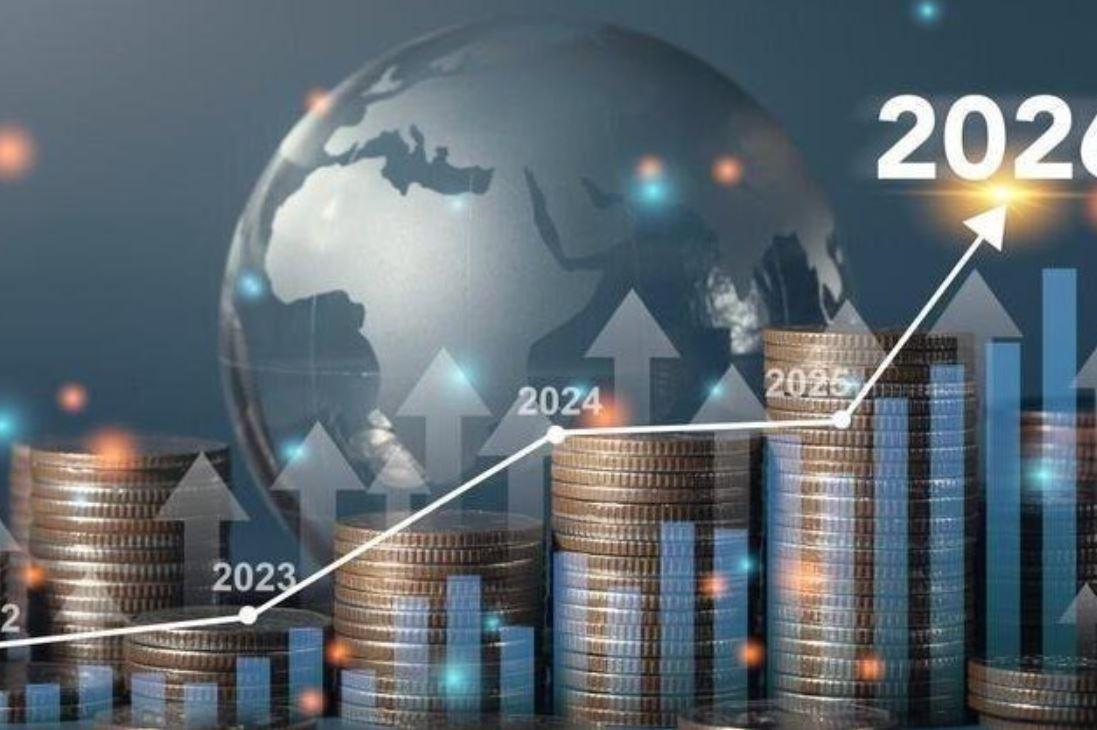
The report indicated that Africa’s growth prospects appear mixed. While a slight improvement in economic performance is expected in 2026, the projected growth rates still fall short of what is needed for genuine developmental transformation. The UN forecasts that the growth rate in Africa will reach 4.1% in 2026, compared to 3.9% the previous year.
In this context, Stephen Karingi, Director of the United Nations Economic Commission for Africa, explained that East Africa continues to be the main economic driver of the continent.
He stated that this region maintains its leadership due to a higher level of economic integration compared to other African regions, particularly in the services sector. He noted that electricity trade is a prominent example of this growing regional integration.
Despite these positive indicators, the report emphasized that social development still faces significant challenges. According to World Bank data, the poverty rate in Sub-Saharan Africa is around 43%, reflecting the widening gap between economic growth and improvements in living standards. Karingi stressed that achieving inclusive growth requires directing this growth towards reducing poverty rates, highlighting that investment in human capital is a top priority.
He added that inequalities in access to education and healthcare pose a major barrier to achieving shared and sustainable growth, explaining that addressing these gaps is a fundamental condition for enhancing long-term development in the continent.
Regarding development financing, the Director of the Economic Commission for Africa emphasized that the continent can no longer rely on official development assistance as a primary source of growth. He called for a focus on mobilizing local resources and enhancing African investments, considering that the financial potentials within the continent remain underutilized. He stated, “We can do more; Africa can no longer depend on official development assistance, nor should it cling to it.”
It is noteworthy that American aid to Sub-Saharan Africa had reached approximately $11.5 billion before being frozen a year ago by a decision from President Donald Trump, which increased pressure on African countries to seek sustainable self-financing alternatives.
Historically, Africa has faced significant economic challenges, including high poverty rates and underdeveloped infrastructure. Despite these issues, various regions, particularly East Africa, have shown potential for economic integration and growth, driven by advancements in sectors like services and energy trade. The reliance on foreign aid has been a longstanding aspect of Africa’s economic landscape, but there is a growing recognition of the need for self-sustaining financial strategies.