
What You Need to Know
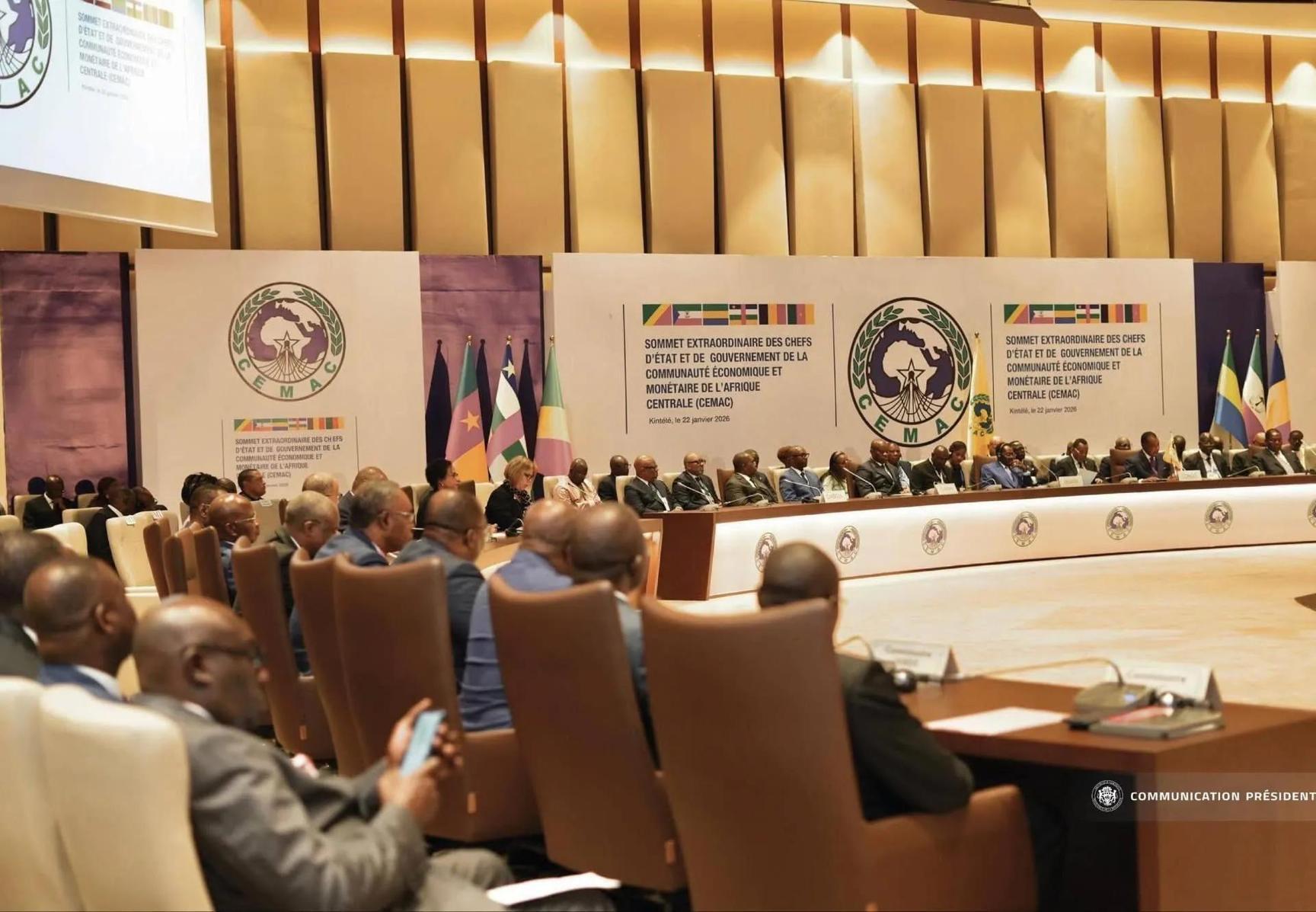
The Central Africa Summit held in Brazzaville reaffirmed the commitment to macroeconomic stability strategies initiated in 2024, without announcing new structural reforms. Leaders emphasized financial discipline and alignment with IMF programs while addressing concerns over economic growth and foreign reserves, which have seen alarming declines.
Africa-Press. The final statement of the Central Africa Summit held in Brazzaville emphasized the necessity of continuing the macroeconomic stability strategy adopted since 2024, without announcing any new structural reforms. The main message of the summit was to reassure markets and investors of continuity and predictability, despite rising sovereign risks.
The leaders present underscored the priority of financial discipline and alignment of budgets with International Monetary Fund programs, while pushing for the modernization of financial management through unified accounts and digitization. They also reiterated the independence of the central bank and the enhancement of banking supervision to address banks’ exposure to sovereign debt, in addition to activating the role of the development bank in supporting economic transformations.
Concerning indicators raised concerns among participants, noting that growth has not exceeded 2.1% over the past five years, which is below the population growth rate. Additionally, the fiscal deficit returned after a surplus in 2023, with projections indicating it could exceed 3% of gross domestic product by 2026.
On another note, foreign exchange reserves declined between March and November 2025 by approximately 1,335.7 billion Central African francs (2.4 billion dollars), equivalent to one month of imports, raising concerns about the sustainability of the exchange system and increasing risk premiums.
The central bank’s analyses concluded that 2026 would be a test of the credibility of the member states, as investors await results that go beyond political statements.
The Central African region has faced numerous economic challenges, including low growth rates and financial instability. The summit aimed to address these issues by reinforcing existing strategies and ensuring market confidence. Leaders recognized the importance of maintaining fiscal discipline and enhancing financial management to navigate the complex economic landscape.