
Africa-Press. A team of scientists has uncovered a new site of dinosaur footprints along the south-western coast of South Africa. The discovery is believed to include the smallest dinosaur footprints ever documented in the southern part of the continent and reshapes current understanding of how long these ancient creatures inhabited the region.
A study published in the South African Journal of Science documents the presence of dinosaur tracks within the Brenton Formation, part of the Uitenhage Group, near the town of Knysna in the Western Cape province.
Researchers estimate the age of these footprints at approximately 132 million years, dating to the Early Cretaceous period. This makes them about 50 million years younger than the youngest dinosaur tracks previously known from the semi-arid interior Karoo Basin in central South Africa.
The research team, made up of fossil footprint specialists (ichnologists) from the African Centre for Coastal Palaeoscience at Nelson Mandela University, identified more than twenty potential footprints on a small rock surface measuring roughly 40 metres in length and 5 metres in width. Some of the tracks are located in areas submerged by seawater during high tide, while others appear on exposed rock faces along the coastline.
Second record of Cretaceous dinosaur tracks
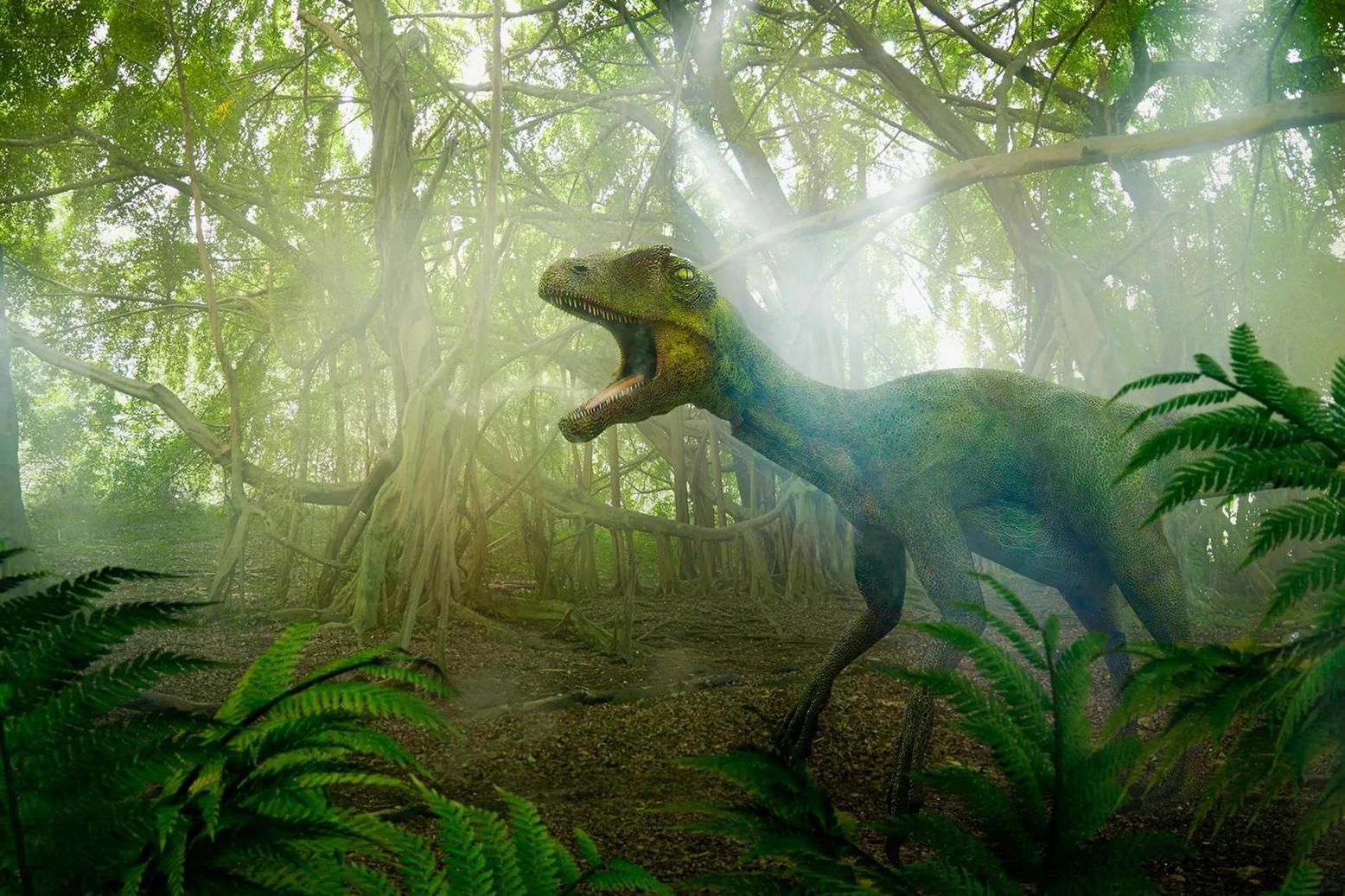
The study suggests that the footprints belong to carnivorous theropod dinosaurs, as well as herbivorous dinosaurs likely related to ornithopods and possibly sauropods. This reflects a diversity of species that roamed these coastal environments during the Early Cretaceous.
The site also represents the second recorded occurrence of dinosaur tracks from this geological period in the Western Cape, following an earlier discovery reported in the Robberg Formation, which is estimated to be around 140 million years old.
According to the researchers, this discovery expands the known timeline of dinosaur presence in South Africa, indicating that dinosaurs inhabited the Western Cape region for a longer period than previously thought, within dynamic coastal environments shaped by tides and marine erosion.
They further note that the richness of the fossil record within the region’s Cretaceous formations encourages additional field surveys, aimed at identifying more footprint sites and potentially skeletal remains, which could contribute to a more complete picture of dinosaur life in the southernmost part of the African continent.