Africa-Press. Cyclone Vitya swept across Madagascar from west to east over the weekend of 31 January to 1 February, leaving one person dead and another missing, and affecting more than 8,400 people, according to the latest report from the National Bureau for Risk and Disaster Management (BNGRC).
The cyclone made landfall at dawn on Saturday, 31 January, near Majunga in the northwest of the island, bringing violent winds of up to 210 kilometres per hour.
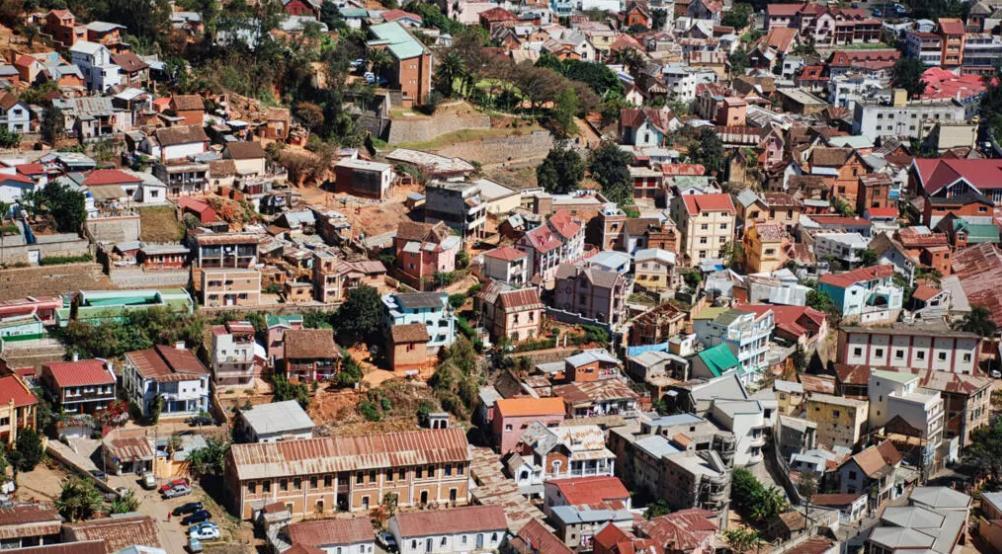
Hours later, it moved back out to sea and was downgraded to a moderate tropical storm off the eastern coast on the morning of Sunday, 1 February. While damage in the capital, Antananarivo, appears limited compared with other regions, many neighbourhoods continue to suffer from severe flooding.
In the capital, heavy rainfall persisted throughout the night, completely inundating several districts. In some areas, residents were forced to pay 300 ariary (around 50 euro cents) to be ferried across flooded streets in handcarts.
In the fourth district, residents of around one hundred homes are living with water at foot level, sometimes reaching their knees. Among those affected is Siehin, a grandmother caring for her two grandchildren, who was forced to evacuate her home in the middle of the night, only to discover the next morning that one of its walls had collapsed. “I have nowhere to go,” she said sadly.
Although the scale of destruction is less severe than in previous disasters, the impact on affected families remains deep and painful, adding a new burden to already difficult living conditions.
The BNGRC said it is mobilising to address the situation, noting that pumps have been deployed to remove stagnant water, while warning that the capital’s ageing drainage channels often become clogged quickly.
Amid an outbreak of measles, authorities have imposed stricter health measures to prevent further risks, urging residents of the capital to exercise the utmost caution in the days ahead.