Africa-Press. The United Nations warned of escalating violence and a deepening humanitarian crisis in South Sudan, urging political leaders to “step back from the brink” and return to dialogue to prevent the country from sliding into a wider conflict.
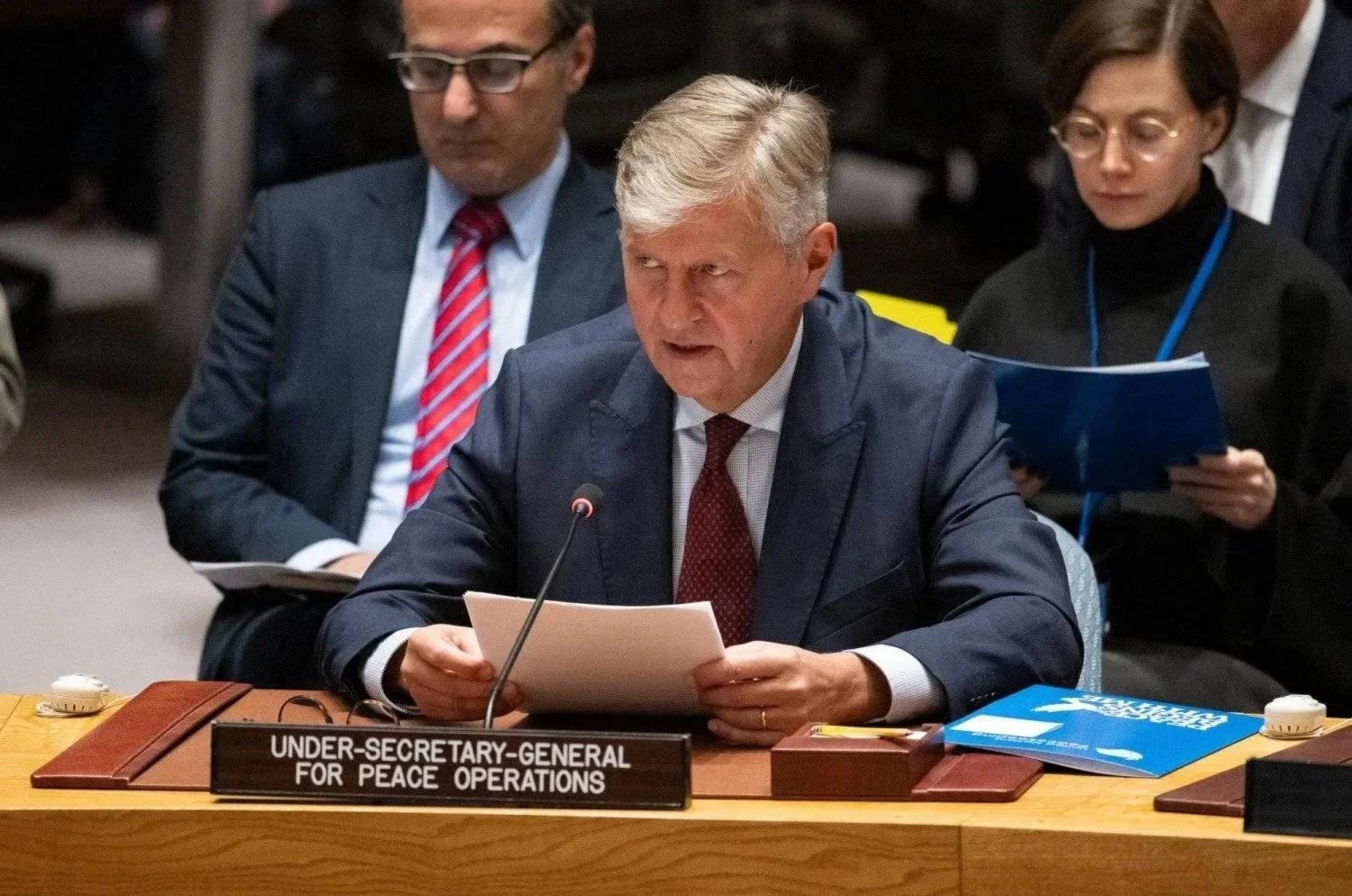
Jean-Pierre Lacroix, Under-Secretary-General for Peace Operations, told an online briefing to the UN Security Council that “dangerous developments in recent weeks require special attention given the fragility of the situation.”
He said Jonglei State has seen a sharp escalation in violence, with clashes between government forces and opposition forces. He warned that both sides appear to be preparing for the possibility of large-scale hostilities, while civilians are once again fleeing fighting areas.
According to government sources, more than 280,000 people have been displaced by the fighting in Jonglei alone.
The UN official highlighted growing risks faced by aid workers, describing South Sudan as “one of the most dangerous places in the world” for humanitarian personnel. He said 2025 recorded 350 attacks on humanitarian workers and facilities, compared with 255 attacks the previous year.
He added that humanitarian access remains severely constrained, particularly in opposition-held areas, alongside the worst cholera outbreak in years. More than 98,000 cases have been reported since September 2024, with conditions deteriorating in Jonglei.
Lacroix also pointed to attacks on humanitarian supplies, noting that between January 30 and February 1, aid barges carrying vital items to assist 73,000 civilians were attacked and looted in Upper Nile State. He warned that humanitarian space is shrinking at a time when more than 10 million people need assistance.
On the UN Mission in South Sudan, he said cost-cutting measures have reduced operational capacity despite rising needs, stressing that the mission’s presence remains a crucial deterrent and helps protect civilians, support humanitarian partners, and advance the peace process.
He concluded by urging the international community to back regional diplomatic efforts and calling on political actors to “return to dialogue and agree on a path forward