Africa-Press. The political landscape in Somalia is witnessing an escalation of debate regarding the future of the electoral process, as the federal government reaffirmed its commitment to organizing direct elections based on the “one person, one vote” system, while talks with opposition forces have stalled without reaching a political agreement on the next phase.
The Somali government stated that the country has entered a “transition phase to a democratic system based on direct popular voting,” emphasizing that this path aims to ensure the constitutional rights of citizens to vote and run for office, following years of reliance on an indirect electoral system based on clan-based power-sharing.
The statement, reported by a local source, indicated that the government has conducted consultations and dialogues with various political parties and components of Somali society in recent days, aiming to build national consensus around the future of elections and their management mechanisms.
It also pointed out that some proposals put forth by opposition parties “contradict the fundamental rights of Somali citizens to vote and run for office.”
The government’s remarks coincided with the conclusion of a new round of political meetings between the federal government and opposition leaders, without achieving significant breakthroughs on contentious issues, primarily the form of the electoral process and the management mechanisms for the transitional phase.
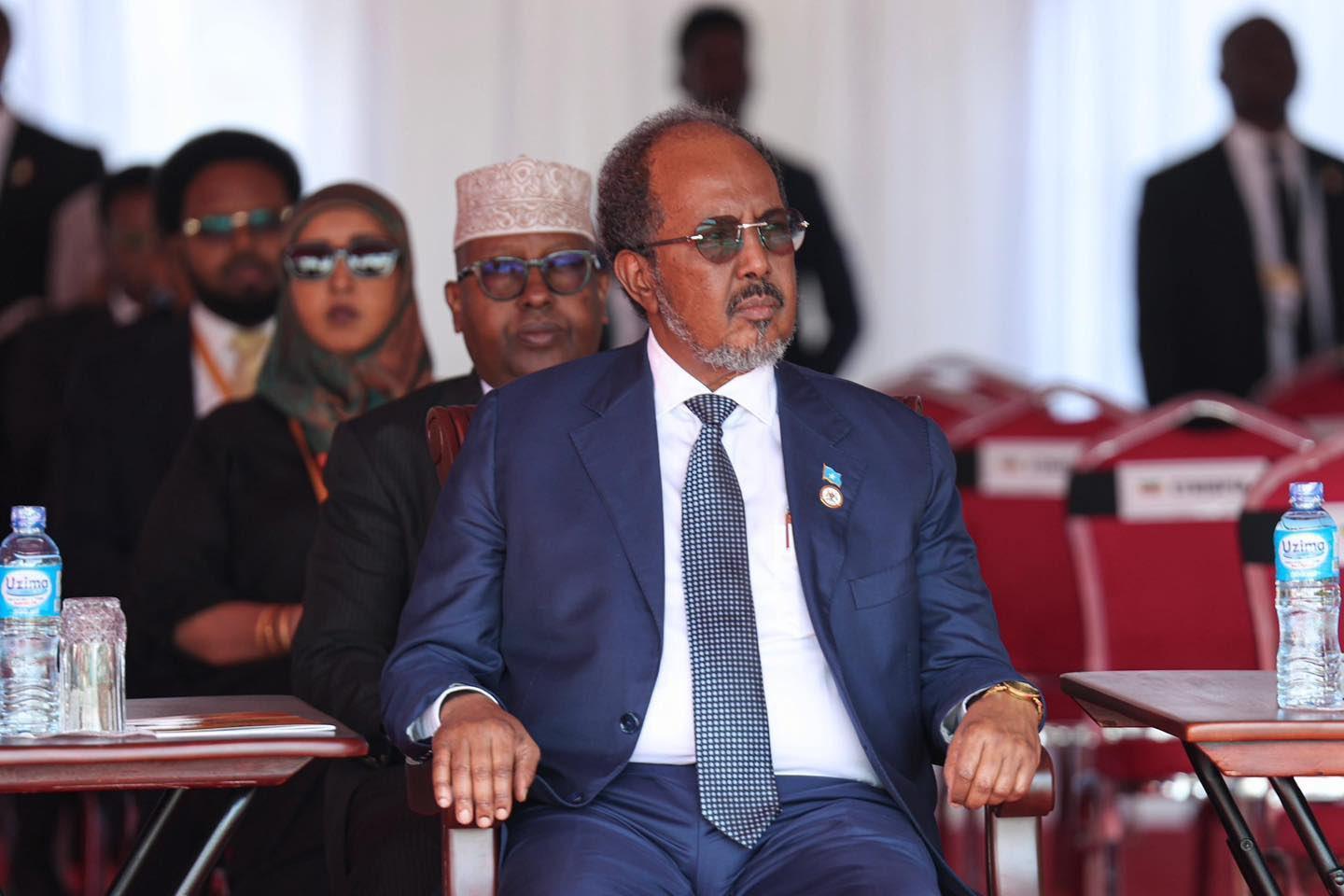
Participants in the meetings from the government side included Hassan Sheikh Mohamud and Deputy Prime Minister Salah Ahmed Jama, while the opposition was represented by Puntland President Said Deni and former Somali President Sharif Sheikh Ahmed.
According to political sources, the meetings initially included representatives from the American and British embassies before they left to allow for continued direct discussions among Somali leaders.
The information indicated that the opposition insisted on the necessity of first reaching consensus on political and electoral issues, while the government insisted on proceeding with the implementation of the “one person, one vote” system, which it has begun to implement in some areas.
In a sign of ongoing political efforts to avoid escalation, the “Future Forum for Somalia” announced the postponement of protests scheduled for tomorrow, Saturday, explaining that the decision was made to allow for the continuation of ongoing consultations between the federal government and opposition leaders.
The forum clarified that the talks are being held with the participation of international stakeholders and focus on issues of national unity, constitutional matters, elections, and the future of the political phase in the country.
The forum affirmed that the proposed consultative conference represents a “national initiative” aimed at promoting national unity, completing the constitution, establishing security, and ensuring direct elections that uphold citizens’ rights.
Somalia is experiencing a state of escalating political tension amid increasing disagreements between the federal government and the opposition regarding the future and legitimacy of the upcoming political phase.
This crisis is fueled by constitutional amendments approved by the Somali parliament in both houses last March, which extended the current president Hassan Sheikh Mohamud’s term by an additional year and raised the presidential term from four to five years.
Political tension is rising as May 15 approaches, a date that opposition forces consider the end of President Hassan Sheikh Mohamud’s term, while there is an official assertion that completing the provisional constitution is a crucial step toward strengthening state-building, consolidating democracy, and establishing a system based on accountability and transparency.
Simultaneously, political disputes are exacerbated by demolition operations, forced evictions, and redevelopment projects that have taken place in the capital, Mogadishu, over the past two years.
While the opposition and civil society organizations accuse the authorities of bypassing legal procedures and lacking adequate compensation for the affected, the federal government and the Banadir regional authorities—encompassing the capital Mogadishu—assert that these measures aim to reclaim public lands and improve urban planning.