Africa-Press. The former Belgian diplomat Etienne Davignon has passed away at the age of 93, just before his trial in the case of the assassination of Congolese leader Patrice Lumumba in 1961. In March, he became the first person to face formal charges in this historical case.
The Jacques Delors Institute, where Davignon was a board member, confirmed the news of his death, effectively ending the legal proceedings against the last living individual among those accused in the Belgian investigation into Lumumba’s assassination.
In March 2026, the Belgian judiciary decided to refer Davignon to trial on charges related to war crimes, following accusations of his involvement in the extrajudicial killing of the Congolese leader 65 years ago.
This step was seen as a final attempt to uncover the circumstances surrounding one of the most prominent political assassinations of the 20th century.
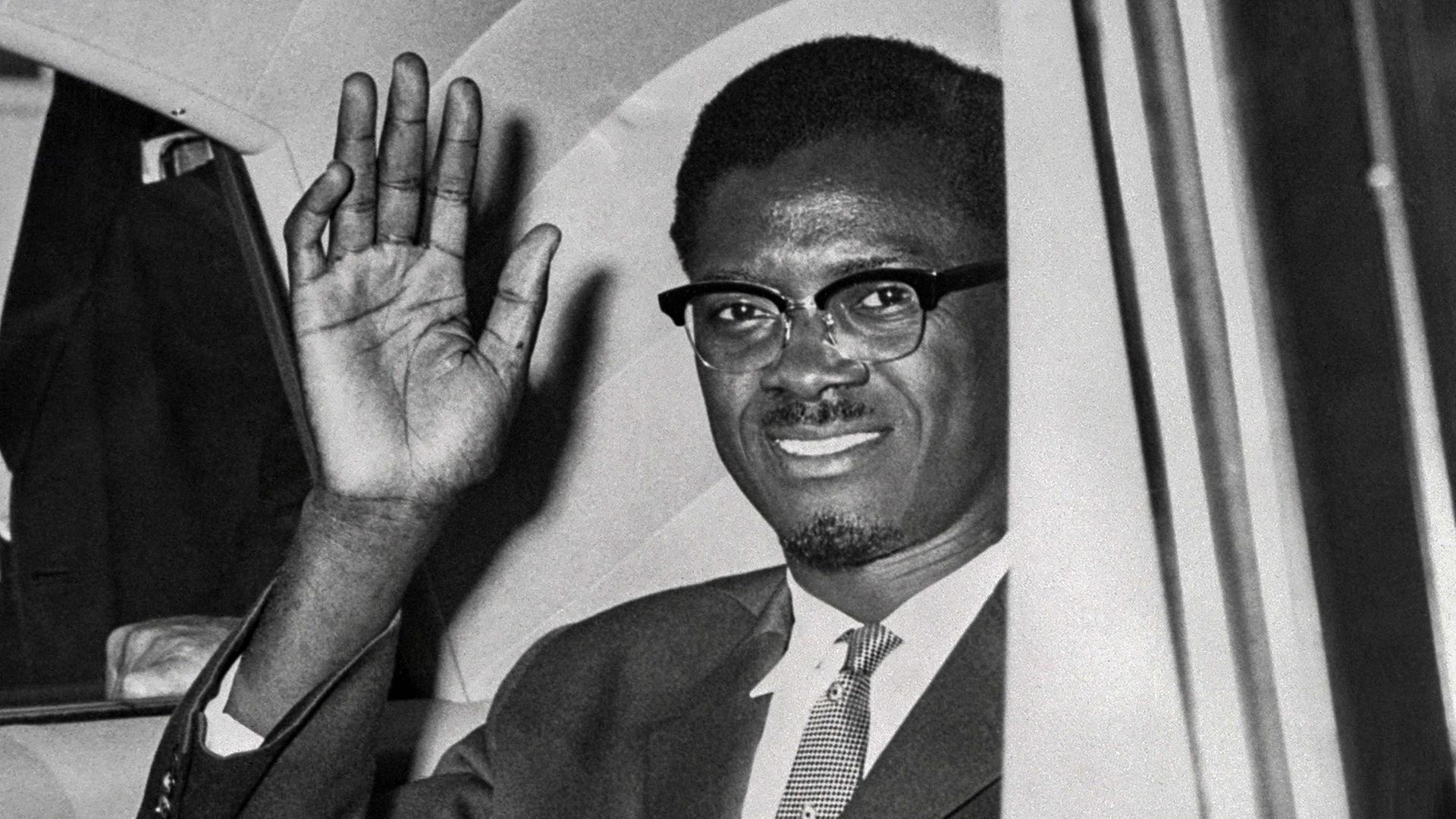
Patrice Lumumba became the first Prime Minister of the Democratic Republic of the Congo after its independence from Belgium in 1960, only to be ousted from power a few months later and killed on January 16, 1961, by separatists supported by Belgium.
Lumumba’s assassination is regarded as one of the darkest chapters in Belgian colonial history and marked a pivotal moment in the trajectory of African liberation movements during that period.
The Belgian prosecution stated that Davignon, who was then a junior diplomat, participated in Lumumba’s unlawful detention or transfer, depriving him of his right to a fair and impartial trial.
He was also accused of involvement in the assassination of two of Lumumba’s political allies, Maurice Mpolo and Joseph Okito.
Davignon denied all charges and was awaiting a decision on an appeal he had filed against the referral to trial before his death.
Lumumba’s family had welcomed the Belgian court’s decision at the time, considering the case not as the end of a long battle but as “the beginning of a confrontation long demanded by history,” as they expressed.
With Davignon’s death, the criminal case is effectively closed, as the court confirmed that the files related to the other accused would not remain open due to their deaths.
After his work in the Congo, Davignon became one of the prominent figures within the Belgian establishment, serving as chief of staff to Belgian Prime Minister Paul-Henri Spaak in the late 1960s.
He also held the position of European Commissioner from 1977 to 1985 before taking on executive roles in several major Belgian and foreign companies.