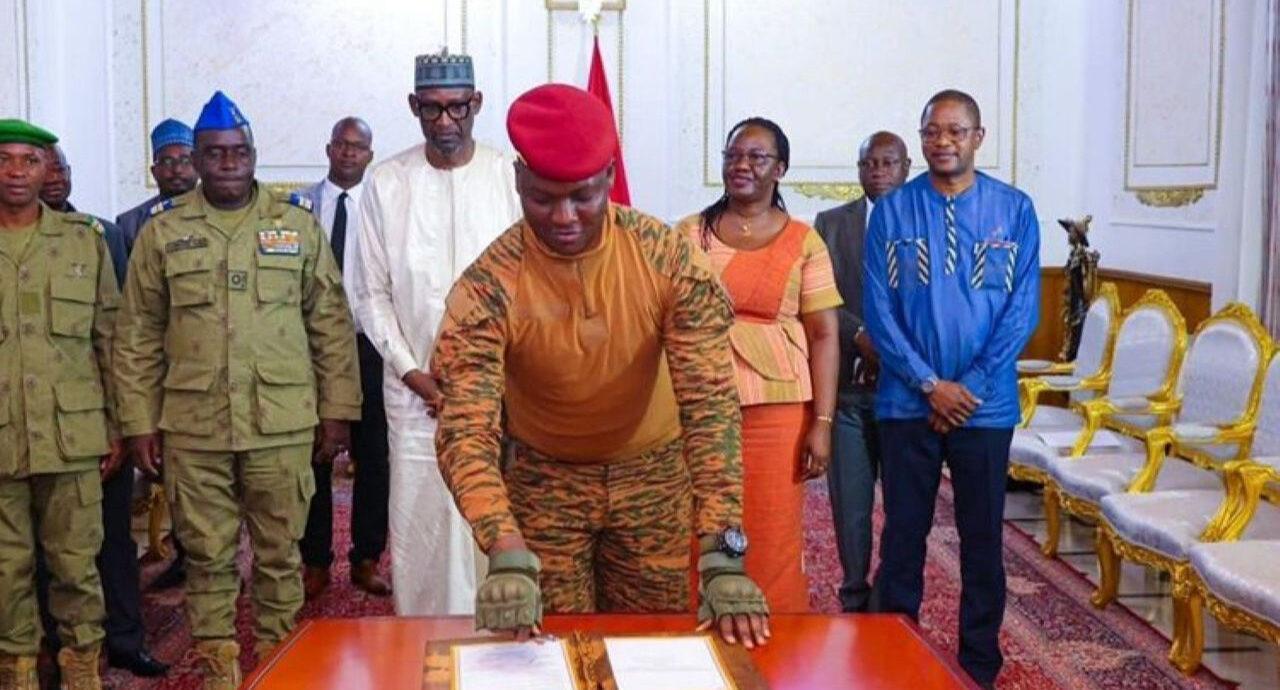
Africa-Press. The transitional legislative assembly in Burkina Faso has adopted a law on religious freedoms. Authorities stated that it aims to “limit deviations associated with the practice of religious rituals, enhance social cohesion, and reinforce the secular nature of the state.”
The transitional government emphasized that “this reform does not target any religion,” but rather seeks to regulate the practice of religious freedoms while ensuring respect for public order and the rights of others.
The new law consists of six chapters and more than one hundred articles, including several regulatory updates.
Among the most notable updates is the requirement for religious associations and communities operating within the country to join a recognized religious body or umbrella organization sanctioned by the state.
The law also establishes a national body responsible for monitoring the compliance of religious practices with existing laws, overseeing the training of individuals in religious fields, and certifying competencies and qualifications related to this area.
The text includes a legal definition of hate speech and incitement to hatred of a religious nature, imposing penalties on offenders.
Under the law, penalties may include imprisonment for a period ranging from one to seven years, in addition to financial fines that may reach 10 million West African francs.
The law criminalizes acts of contempt against other religions or calls for discrimination based on religion, subjecting them to legal penalties.
It prohibits public officials from engaging in any proselytizing or religious activities while performing their official duties. Additionally, it regulates the funding of religious organizations, requiring them to deposit their accounts with the treasury’s deposit bank.
Members of the legislative assembly believe that the new law will contribute to reducing religious tensions, enhancing national unity, and providing a clearer legal framework for practicing beliefs and religious rituals in Burkina Faso.
The law is set to take effect after being ratified by the President of Burkina Faso and published in the official gazette.
Prior to its adoption, the law sparked widespread anger, particularly among Sunni Muslims, who believe that it may restrict the freedom of officials and citizens to perform prayers within official institutions.
The draft law, approved by the Burkinabe Council of Ministers on March 19, aims to regulate the practice of religious rituals within public facilities, including government offices, hospitals, and military barracks.
At the end of May, military authorities in Burkina Faso closed the Grand Mosque affiliated with the Sunni movement in the capital, Ouagadougou, “until further notice,” following protests over the arrest of its imam, Mohammed Ishaq Kindo, who had criticized the draft law on religious freedoms.
Furthermore, the ruling military council in Burkina Faso suspended the activities of 245 associations in mid-month due to “failure to renew their leadership bodies,” raising the total number of organizations that have been suspended or dissolved since mid-April to over 1,100.