Africa-Press. China’s role as a major financier of developing countries has undergone a significant transformation over the past decade. New lending to poorer countries has declined sharply, while debt service payments have continued to rise, according to an analysis published by the ONE Data initiative.
The inaugural report by ONE Data concludes that many low- and middle-income countries — particularly in Africa — are now transferring more money to China to repay their debts than they are receiving in new financing from the world’s second-largest economy.
This shift has coincided with a sharp increase in net financing from multilateral institutions, which have become the primary source of global development finance once debt service flows are taken into account.
The analysis found that multilateral lenders increased their net financing by 124% over the past decade and now provide 56% of net flows, equivalent to USD 379 billion between 2020 and 2024.
David McNair, Executive Director of ONE Data, said: “The decline in incoming loan volumes, combined with the continued repayment of previous loans to China, is driving the outward flows.”
Africa has experienced the most dramatic shift in Chinese financing, with incoming loans from China falling from USD 30 billion to USD 22 billion.
During the 2020–2024 period — the most recent for which data are available — Africa saw the greatest impact, as an inflow of USD 30 billion in 2015–2019 turned into an outflow of USD 22 billion.
The data do not include reductions that came into effect in 2025. The closure of the U.S. Agency for International Development last year, along with reduced allocations from other advanced economies, has negatively affected developing economies, particularly in Africa.
McNair said that once 2025 data become available, they are likely to show a significant decline in official development assistance flows. He added that this trend would have a “negative impact” on African countries, as many governments struggle to finance public services and investment, but could simultaneously strengthen domestic accountability as governments become less reliant on external funding.
The report also highlighted a broader decline in bilateral financing flows and private external debt, trends that are expected to worsen due to aid cuts beginning in 2025.
Meanwhile, a separate study points to a rebound in China’s overseas deal-making activity in 2025, according to a report by the Griffith Asia Institute.
The study found that China’s Belt and Road Initiative deals reached record levels of USD 213.5 billion last year, including USD 128.4 billion in construction contracts and USD 85.2 billion in investments, with Africa emerging as the largest beneficiary.
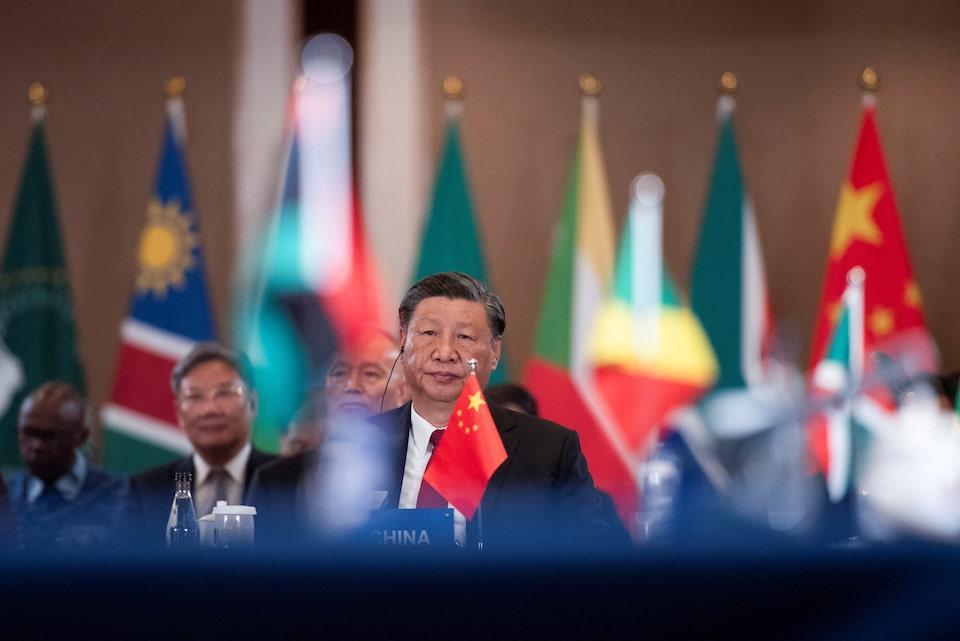
China’s Belt and Road Initiative, sometimes referred to as the New Silk Road, was launched in 2013 by President Xi Jinping and is considered one of the most ambitious infrastructure projects in the world.
Initially, the initiative aimed to connect East Asia with Europe through physical infrastructure, before expanding to other regions such as Africa, Oceania, and Latin America, thereby strengthening Beijing’s economic and political influence over the past decade.