Laith Mushtaq
What You Need to Know
This article details the experiences of former fighters from the Democratic Forces for the Liberation of Rwanda as they return to Rwanda from the Congo. It highlights the rehabilitation programs at Mutobo Center, aimed at reintegrating these individuals into society while addressing the historical context of conflict and peace efforts in the region.
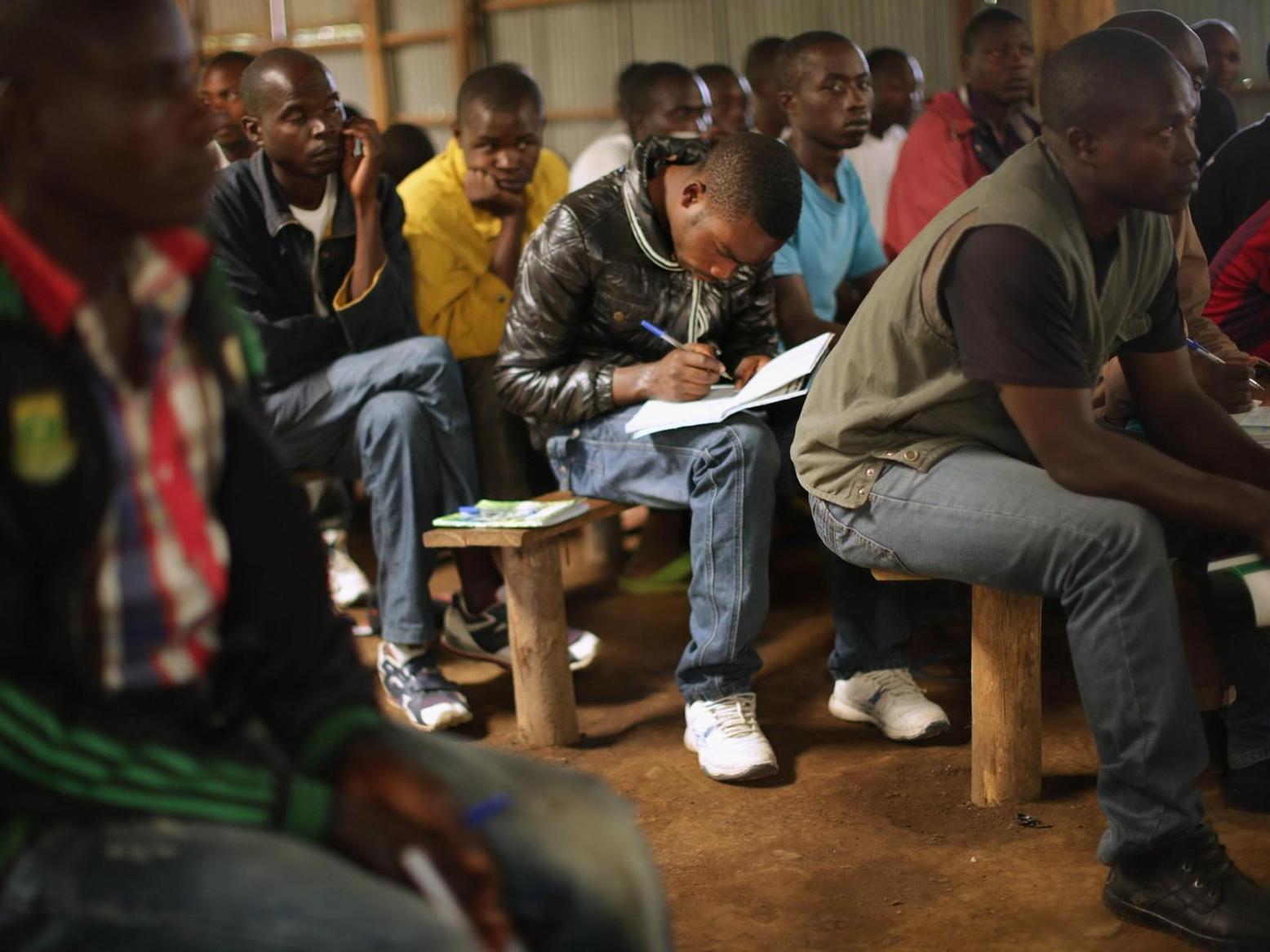
Africa. In one of the rooms at the Mutobo Center in northern Rwanda, Mbali Hafashimana Amos, a former fighter in the Democratic Forces for the Liberation of Rwanda, recounts his journey from the forests of eastern Congo to Rwanda.
Amos hails from the Hutu ethnic group and fought with the Democratic Forces for the Liberation of Rwanda, which was formed from remnants of the Rwandan army responsible for the genocide against the Tutsi in 1994 before fleeing across the border.
He states, “In April of last year, during the fighting against the M23 movement, we had to retreat to a difficult area where we could not find anything to eat.”
He adds that when he decided to surrender this year, he thought he would be killed, but was surprised to find himself transferred to the rehabilitation center in Mutobo, where he is undergoing a comprehensive civil and economic program.
A similar testimony comes from Nzayisinga Ivariste, a former corporal in the Democratic Forces for the Liberation of Rwanda who arrived in Rwanda last September. He says, “Reaching out to the enemy was terrifying,” and quotes his leadership as saying that Rwanda is “a country for the Tutsi, and there is no voice for the Hutu, and if we go there, we will be killed,” describing this narrative as “lies.”
Cybrian Mudiye, a retired officer who heads the Mutobo Center, explains that fighters “are usually in a state of extreme fear upon arrival due to the ideology they have received,” but he notes that “fear gradually fades” as the rehabilitation phases begin.
Rwanda: Integrating Former Fighters
Since 2001, Rwanda has been implementing serious efforts to integrate former fighters from the Democratic Forces for the Liberation of Rwanda into society.
The process begins as soon as fighters cross the border from the eastern Democratic Republic of the Congo. After surrendering their weapons, they are transferred to a specialized center for their rehabilitation and to facilitate their return to normal life.
The Mutobo Center for Disarmament and Reintegration is located near the city of Musanze in northern Rwanda and operates under the supervision of the Rwanda Demobilization and Reintegration Commission.
Its mission is to disarm former fighters from armed groups coming from eastern Congo, particularly the Democratic Forces for the Liberation of Rwanda, and prepare them for a return to civilian life through training and financial support.
Rwandan authorities estimate that tens of thousands have passed through the center since its establishment, noting that since January 2025, around six thousand Rwandans have voluntarily returned from eastern Congo.
Peace After Decades of Turmoil
The integration efforts have not been immune to regional developments. On June 27, Rwanda and the Democratic Republic of the Congo signed a peace agreement mediated by Qatar and the United States.
The agreement included a halt to support for armed groups, respect for sovereignty, and security coordination, along with plans for regional economic integration.
The origin of this path dates back to a meeting in Doha that brought together the Emir of Qatar, Sheikh Tamim bin Hamad Al Thani, Rwandan President Paul Kagame, and Congolese President Félix Tshisekedi on March 18.
From this meeting, a Rwandan-Congolese negotiation process began in the United States, alongside a Congolese-Congolese process that led to the signing of the Doha Framework Agreement for Peace between the Kinshasa government and the Congo River Alliance/M23 on November 15, 2025.
Rehabilitation Program
The rehabilitation program operates within the Rwandan national disarmament and reintegration program and consists of three consecutive phases.
In the first phase, fighters undergo lessons in civic education, history, and psychological counseling, with essential services provided.
The second phase lasts about three months, during which fighters receive financial and material assistance enabling them to reunite with their families immediately after leaving the center.
The third phase, a long-term stage, involves vocational rehabilitation of fighters and providing them with the necessary tools for the professions they are training in, along with financial grants to help them start small projects or find job opportunities.
Monitoring Mechanisms and Implementation of the Peace Agreement
To ensure the implementation of the agreement’s provisions, the governments of Qatar, the United States, the Democratic Republic of the Congo, Rwanda, and Togo, as the African Union mediator, along with the African Union Commission, established a Joint Monitoring Committee for the Peace Agreement, which usually holds its meetings in Washington.
On November 7, the committee stated that both parties agreed on short-term executive measures to neutralize the Democratic Forces for the Liberation of Rwanda and associated groups, alongside implementing demobilization measures and lifting defensive measures from Rwanda.
Although the journey from the forests of Congo to the Mutobo Center does not erase years of conflict or deeply rooted ideologies, the increasing number of voluntary returnees suggests a deeper transformation that transcends borders.
The success of rehabilitation programs remains contingent on the peace agreement’s resilience, while many hope that Mutobo will transition from a temporary transit point to the beginning of long-term stability benefiting communities on both sides of the border.
Rwanda has faced significant challenges since the 1994 genocide, which left deep scars on its society. The Democratic Forces for the Liberation of Rwanda (FDLR) emerged from remnants of the Rwandan army responsible for the genocide, leading to ongoing conflict in the region. Efforts to reintegrate former fighters into society have been ongoing since 2001, with the establishment of rehabilitation centers like Mutobo to facilitate this process and promote peace in the region.
In recent years, regional dynamics have influenced Rwanda’s peace efforts, including a peace agreement with the Democratic Republic of the Congo (DRC) brokered by Qatar and the United States.
Source: Al Jazeera Net