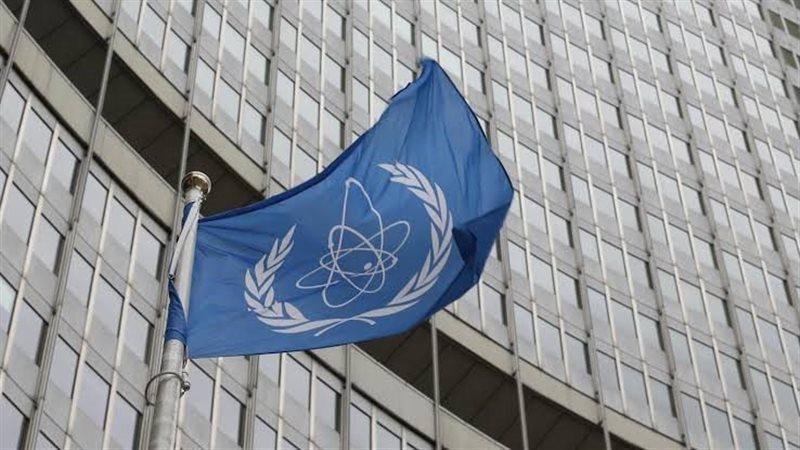
Africa-Press. The African Union, the African Commission on Nuclear Energy, and the OECD’s Nuclear Energy Agency signed a memorandum of understanding to strengthen the peaceful uses of nuclear science and technology in support of Africa’s social and economic development, on the sidelines of the African Union’s 39th summit.
The MoU establishes an organized framework for cooperation in capacity building, strengthening regulatory frameworks, supporting research and innovation, and mobilizing technical and financial resources—aligned with Africa’s agenda on energy transition and advancing industrialization.
During the signing ceremony, Lerato D. Mataboge, the African Union Commissioner for Infrastructure and Energy, said the partnership is a strategic step toward strengthening Africa’s energy sovereignty and supporting the peaceful use of nuclear energy as a catalyst for industrialization, enhanced resilience, and sustainable development across the continent, within the framework of Agenda 2063.
Africa supplies between 15% and 18% of the world’s extracted uranium, yet contributes less than 1% of global nuclear electricity generation. The new partnership aims to turn this gap into an opportunity by boosting local value added, developing skills, and enabling technology transfer.
South Africa is currently the only African country using nuclear power, accounting for about 5% of its total electricity generation with an installed capacity of 1,854 MW. Egypt is building a nuclear power plant with a capacity of 4.8 GW, expected to be completed by 2031. Algeria, Ethiopia, Ghana, Kenya, Morocco, and Nigeria also have plans to develop future nuclear programs.
The MoU will apply for an initial period of three years, with the option to renew it following a joint review.