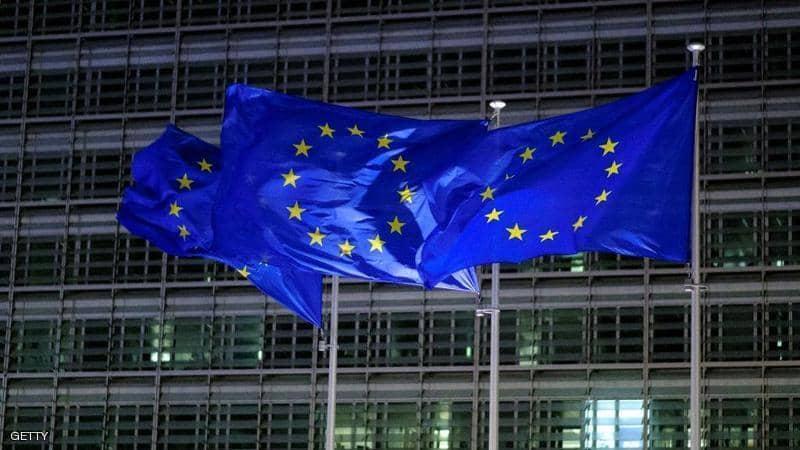
Africa-Press. Around 200 companies participated in an investment promotion tour organized by a local source in South Africa, competing for a share of the 12 billion euros (13.98 billion USD) in investments pledged by the European Union amid global competition for critical minerals.
This investment promotion tour, hosted by a local exchange, marks the first attempt to mobilize capital under the trade and investment partnership between the European Union and South Africa for 2025.
In line with other African countries, South Africa aims to make upgrading the value chain a prerequisite for obtaining the critical minerals necessary for energy transition, modern weapons, and artificial intelligence.
In his opening remarks during the event, the trade minister stated, “Our goal is not to export raw minerals, but to refine, process, and industrially develop them.”
Chinese restrictions on exports of minerals with potential military uses have prompted Western countries to seek alternative supply chains across Africa.
David McAllister, chair of the foreign affairs committee in the European Parliament, stated that the European Union has benefited from its experiences in diversifying energy sources away from Russia, which many of its members relied on heavily, particularly regarding critical minerals. He added, “The best way to reduce dependence is diversification, and South Africa plays an important role in this regard.”
Among the agreements already reached between the two countries is a 600 million euro framework loan to the Development Bank of South Africa, which will provide 1200 megawatts of clean energy and contribute to reducing carbon dioxide emissions by 3.6 million tons.
A separate financing facilitation of 1.48 billion euros for the state shipping company will contribute to updating the ports and rail networks in South Africa.
The European Union is the largest trading and investment partner of South Africa, with bilateral trade reaching 46 billion euros in 2025, and over 1700 European companies representing more than 40% of foreign direct investment. The EU ambassador stated, “We have shifted from developmental thinking to investment thinking.”