
What You Need to Know
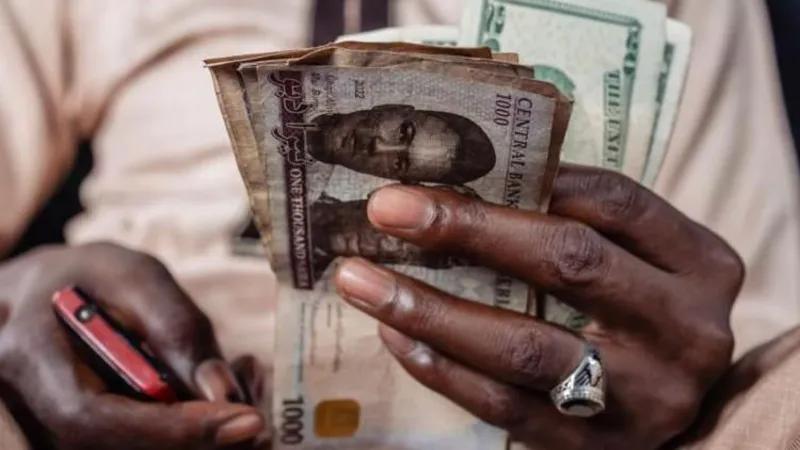
The Central Bank of Nigeria has announced significant changes to its cash management policies, implementing stricter withdrawal limits to combat money laundering and enhance security. Starting January 1, 2026, individuals will be limited to weekly withdrawals of 500,000 Naira, while businesses will have a cap of 5 million Naira, with fees imposed on excess withdrawals.
Africa. The Central Bank of Nigeria has announced significant changes to its cash management policies, implementing stricter withdrawal limits and eliminating fees on excess deposits. This initiative aims to reduce reliance on cash and address security risks and money laundering.
Starting January 1, 2026, the total cumulative weekly withdrawal limit for individuals will be set at 500,000 Naira, while businesses will be restricted to 5 million Naira, according to a circular issued by the Central Bank to banks and financial institutions. A fee of 3% will be applied to withdrawals exceeding these limits for individuals and 5% for businesses.
This measure represents the latest step in Nigeria’s ongoing pursuit of a cashless economy, following years of policy adjustments and implementation challenges. The Central Bank stated, “These measures aim to reduce the high cost of cash management, address security concerns, and minimize the potential for money laundering.”
In October, Nigeria and South Africa, the largest economies in Sub-Saharan Africa, were removed from the Financial Action Task Force (FATF) list of countries under increased scrutiny for illicit money flows.
Monthly withdrawal permits for large sums of 5 million Naira for individuals and 10 million Naira for businesses have been abolished, along with exemptions previously granted to embassies and donor agencies. However, government revenue accounts and certain financial institutions will remain exempt. The circular also noted that banks must report transactions exceeding the allowed limits and maintain separate records of the fees collected.
Nigeria has been striving to transition towards a cashless economy, facing numerous challenges in policy implementation and public acceptance. Recent adjustments by the Central Bank reflect ongoing efforts to mitigate risks associated with cash transactions, particularly in the context of rising concerns over money laundering and financial security. The country aims to align with international standards and improve its financial system’s integrity, especially after being removed from the Financial Action Task Force’s list of nations under increased scrutiny for illicit money flows.