What You Need to Know
Nigerian authorities announced the release of 130 students abducted from a Catholic school in Niger State last November. This incident is part of a broader crisis of mass kidnappings that have plagued Nigeria for years, with the government recently freeing around 100 others. The situation remains complex, with ongoing concerns about the safety of students and the identity of the kidnappers.
Africa. Nigerian authorities announced the release of 130 students from a Catholic school in Niger State, who were abducted last November, marking the latest chapter in the mass kidnapping crisis that has plagued the country for years.
This development follows the government’s recent success in freeing around 100 others earlier this month, although the exact number of abducted individuals remains disputed due to the scattered nature of the villages they belong to and the difficulty in accessing them.
Officials stated that all the students are now free, while a spokesperson for the Christian Association of Nigeria confirmed that the final verification process is still ongoing, as some children managed to escape during the attack and returned to their remote villages.
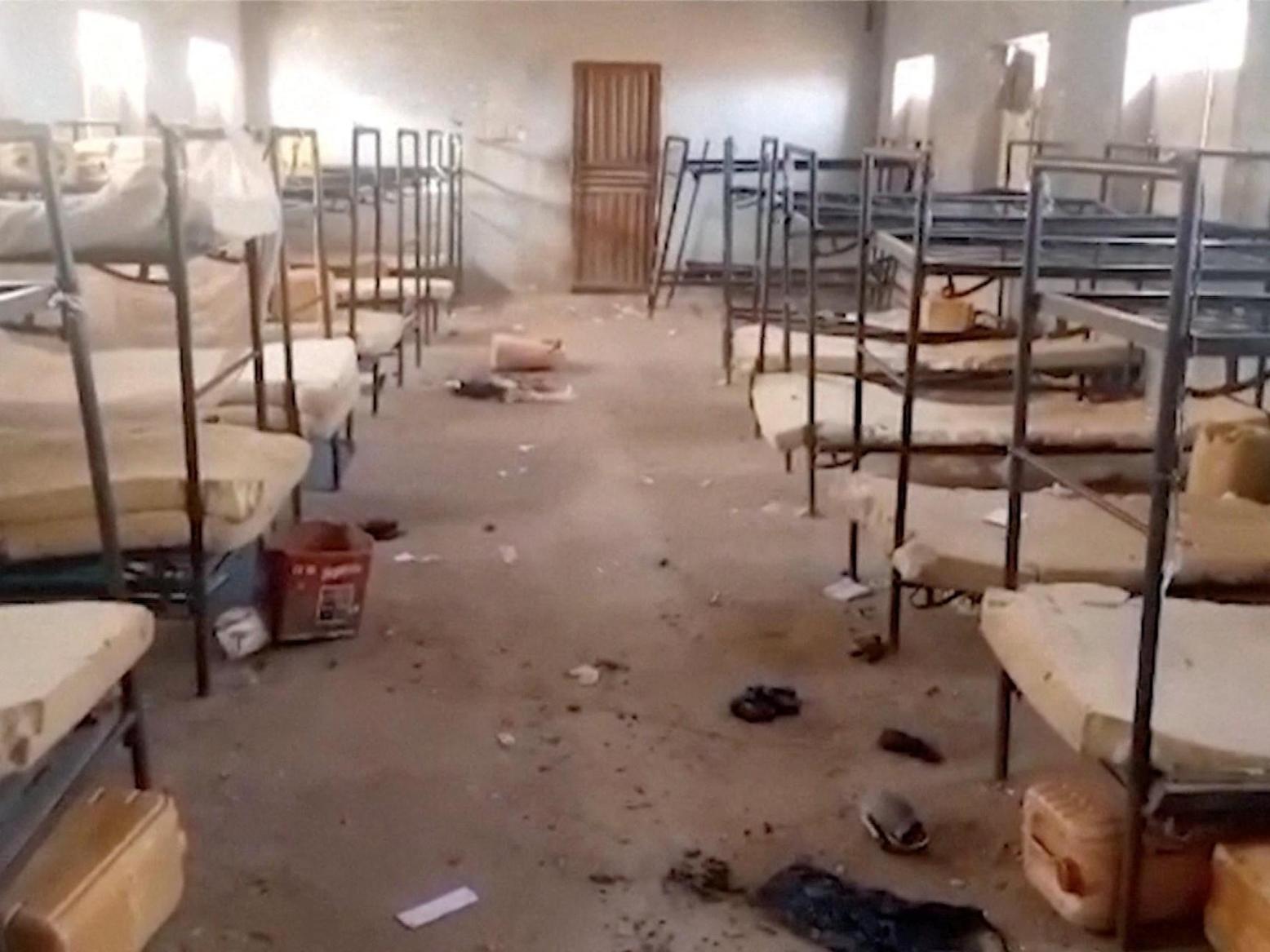
The attack occurred in late November at a mixed boarding school in the town of Babiri, Niger State, where armed men stormed the school and kidnapped hundreds of students and staff, reminiscent of the 2014 abduction of Chibok girls by Boko Haram.
Interconnected Security Crisis
Nigeria has been grappling with intertwined security crises for years, ranging from the activities of armed groups in the northeast to banditry in the northwest, alongside the growing phenomenon of kidnappings for ransom that has turned into a lucrative industry.
Recent reports indicate that these operations generated approximately $1.66 million between July 2024 and June 2025. In November alone, the country witnessed a series of mass abductions targeting both Muslims and Christians.
This wave of kidnappings has placed the government under both internal and external pressure, particularly following statements from U.S. President Donald Trump, who accused the authorities of failing to protect Christians and labeled the situation as “genocide,” a characterization rejected by Abuja and independent experts.
Despite the authorities’ announcement that all students are now free, uncertainty still surrounds the details of the operation and the identity of the kidnappers. The persistence of this phenomenon raises concerns about its entrenchment as a political and economic pressure tool in a country grappling with security fragility and intertwined social and economic challenges.
Nigeria has faced a persistent security crisis characterized by mass kidnappings, particularly in the northern regions. The rise of armed groups and banditry has led to a surge in abductions for ransom, creating a lucrative industry that has affected communities across the country. The international community has expressed concern over the safety of citizens, especially in light of high-profile cases like the Chibok girls’ kidnapping in 2014, which brought global attention to the issue.