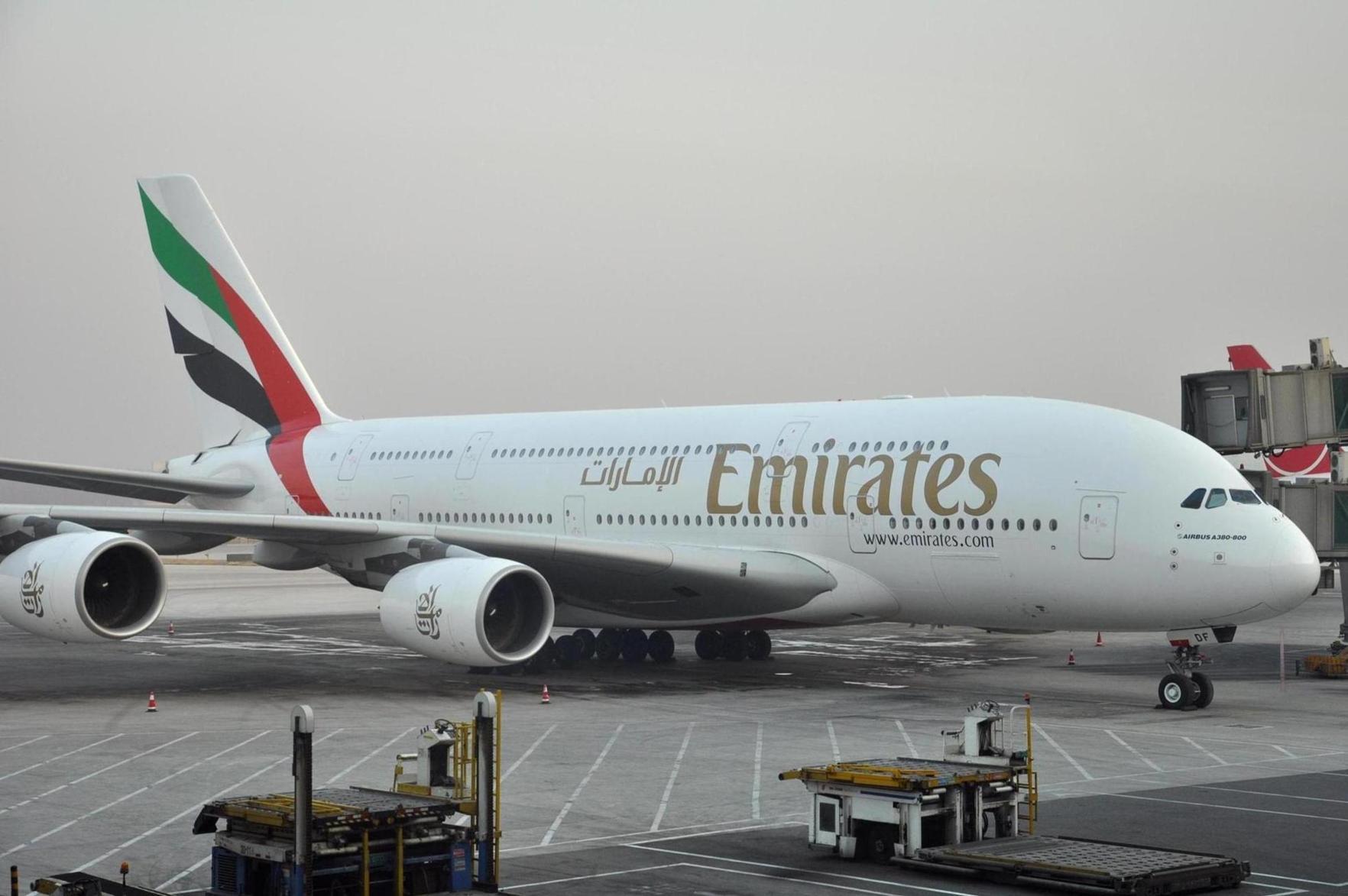
Africa-Press. Algeria has announced that it has officially begun procedures to cancel the air services agreement signed with the United Arab Emirates, a decision carrying diplomatic and economic implications and reflecting a notable shift in relations between the two countries.
Official Algerian media reported that the move falls within the activation of legal mechanisms provided for in the bilateral agreement governing air transport between the two states, including flight operations, passenger and cargo transport, and civil aviation–related services.
Agreement signed in 2013
The agreement in question dates back to May 13, 2013, when it was signed in the Emirati capital Abu Dhabi, before entering into force following ratification by an Algerian presidential decree at the end of 2014. The deal aimed to regulate air traffic rights and grant operational facilities to airlines from both countries.
According to the same sources, Algeria will formally notify the Emirati side through diplomatic channels and inform the International Civil Aviation Organization (ICAO), in line with established procedures for such cases.
No official explanation of reasons
Algerian authorities have so far provided no official explanation for the decision. However, international media reports have linked the move to a broader context of political and diplomatic tensions that have emerged in recent months between Algiers and Abu Dhabi, amid differences over regional and media positions.
Reuters noted that air transport relations between the two countries had already faced restrictions and operational challenges, which may have contributed to tensions in this key sector.
Potential impact on air traffic
The decision is not expected to lead to an immediate halt of flights between Algeria and the UAE. Nevertheless, experts believe that canceling the agreement could pave the way for renegotiating new arrangements or reducing the number of flights in the future if no alternative framework is reached.
Aviation industry circles warn that prolonged uncertainty could affect the planning of both Algerian and Emirati airlines, particularly amid growing regional competition over air routes linking North Africa and the Gulf.
A move beyond technical considerations
Observers agree that Algeria’s decision goes beyond the technical dimension of aviation, carrying political and diplomatic messages at a time when the region is witnessing shifts in alliances and an increased use of economic and transport tools as means of pressure or expressions of sovereign positions.
As the Emirati response remains awaited, the repercussions of the decision remain open to multiple scenarios, ranging from de-escalation and renegotiation to a possible spillover of tensions into other areas of bilateral relations.