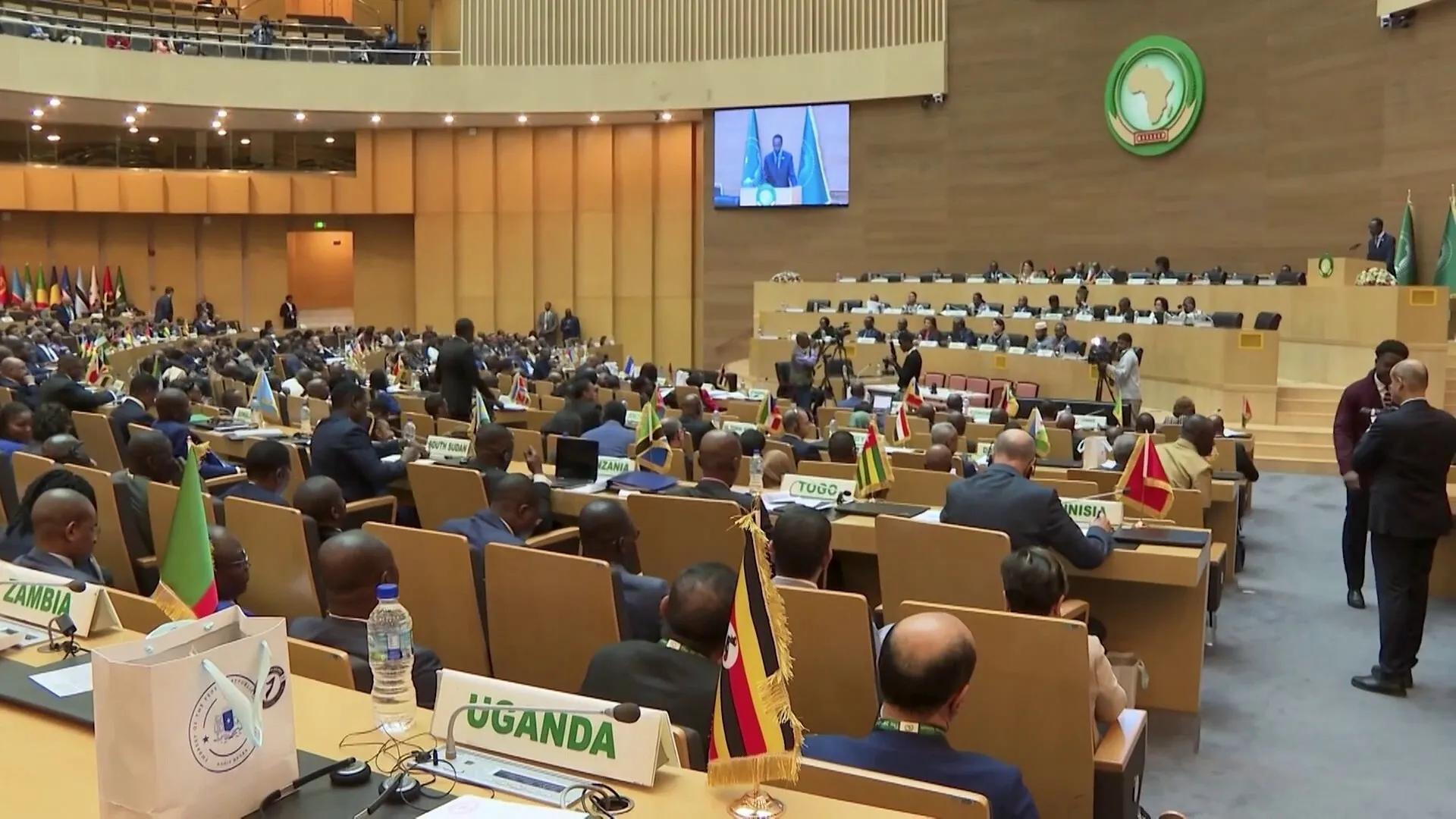
Africa-Press. At the African Union (AU) headquarters in Addis Ababa, Ethiopia, meetings of African foreign ministers began, signaling the start of the final preparations for the 39th AU summit. The agenda is heavy with political, security, and economic issues that reflect the scale of challenges facing the continent.
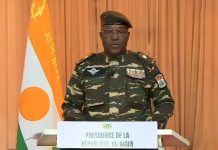
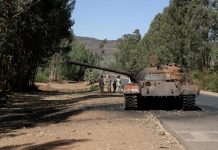
Sessions of the AU Executive Council focused on peace and security in several hotspots, أبرزها the ongoing conflicts in Sudan, Somalia, Libya, and the Democratic Republic of Congo, in addition to the repercussions of military coups and unconstitutional changes that have occurred in several African countries in recent years.
Six African states remain suspended from the Union’s activities, as the continental organization seeks approaches that can restore stability and constitutional legitimacy.
Alongside security matters, economic and development issues featured prominently in the discussions, as ministers attempted to develop shared perspectives to address growth-related challenges and ease the impact of successive crises weighing on African countries.
In his opening remarks, AU Commission Chair Mahmoud Ali Youssouf stressed that this year’s summit theme—focused on water and sanitation—reflects a strategic priority for Africa. He called for water to be treated as a shared resource that must be protected, especially amid accelerating climate change.
He added that this vital resource can serve as a bridge for rapprochement and reconciliation among African states and peoples, rather than a trigger for conflicts.
Foreign ministers’ meetings are considered the AU’s political engine room, where understandings are shaped and draft projects and decisions are debated before being submitted to African leaders for adoption at the upcoming summit.
These meetings are expected to help forge unified positions on pressing issues, paving the way for decisions that reflect Africa’s aspirations for stability, development, and stronger joint African action.