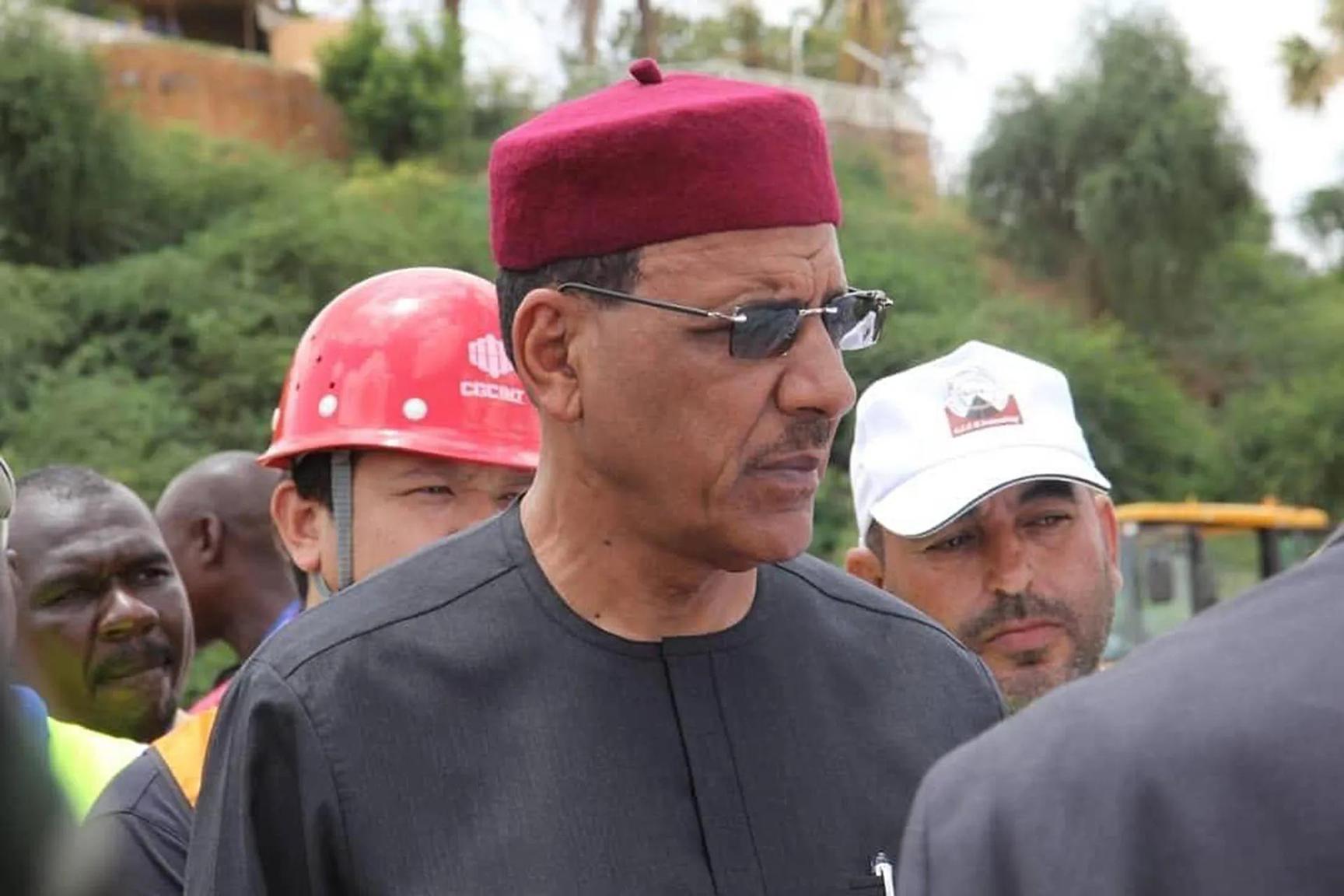
Africa-Press. The European Parliament has adopted, by an overwhelming majority, a non-binding resolution calling for the “immediate and unconditional” release of Niger’s elected president, Mohamed Bazoum, who has been detained since the military coup of July 2023.
Bazoum, 66, was elected in 2021 before being overthrown in a coup led by General Abdourahamane Tiani in July. Since then, he and his wife have been held in a wing of the presidential palace in the capital, Niamey.
The resolution, introduced by the European People’s Party and several other parliamentary groups, was adopted with 524 votes in favor, two against, and 29 abstentions. Lawmakers described Bazoum’s continued detention as “arbitrary detention,” warning that keeping him in custody beyond the official end of his mandate on April 2 would constitute a “serious failure.”
According to the European Parliament, no reliable information about the condition of Bazoum and his wife has been made public for more than a year. He is reportedly denied contact with his lawyer or family and receives only limited medical care. This lack of transparency has raised growing concern among European lawmakers, who stressed the need to respect his fundamental rights.
International implications
French MEP Christophe Gomart, who initiated the motion, said Bazoum had been “a key partner for European forces in the Sahel,” particularly in combating terrorism, arms trafficking, and human smuggling, as well as in promoting regional stability.
Observers say the European resolution reflects concerns about the impact of the coup on efforts to counter armed groups in the Sahel, especially after the withdrawal of some Western forces from Niger following the military takeover.
Although the resolution is not legally binding, it highlights growing international pressure on Niger’s authorities to release the elected president. As the end of his constitutional term approaches, the European stance raises questions about the future of relations between Niamey and its Western partners, and about the military council’s ability to confront increasing international isolation.