Africa-Press. On Sunday, May 31, Guinea held legislative and municipal elections, marking a step towards the restoration of constitutional order following the presidential elections held on December 28, 2025, after the transitional phase that followed the coup by Mamadi Doumbouya in September 2021.
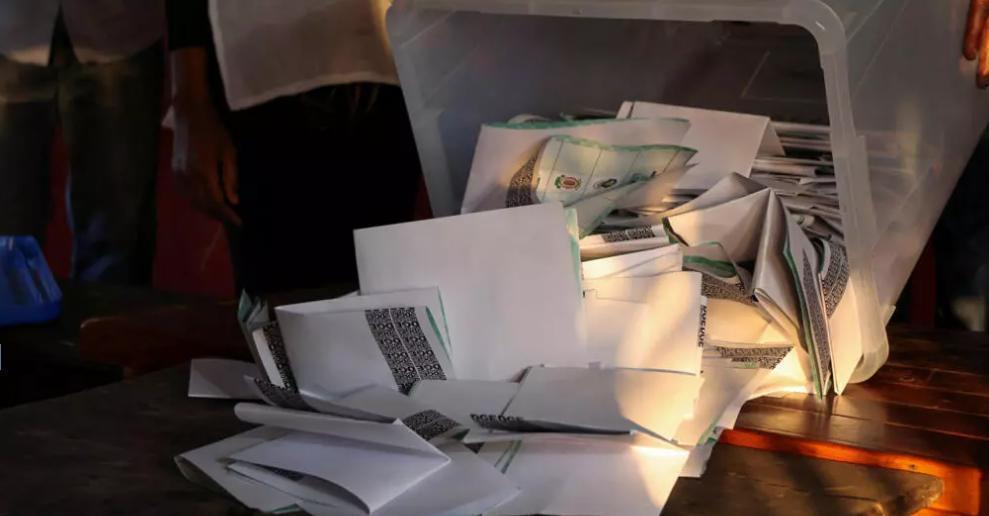
Approximately seven million voters were called to polling stations to elect members of the National Assembly, which consists of 147 deputies, as well as members of municipal councils in 375 local authorities. The electoral process took place in a calm atmosphere, with no significant incidents reported, according to local monitoring from the capital, Conakry.
Despite the peaceful conduct of the voting, low turnout was recorded at various polling stations. Osman Kaba, a parliamentary candidate who voted in the Nongou area of the Lambani municipality in Conakry, noted the weak turnout, explaining that the polling station where he voted saw only a very limited number of voters present by midday.
Kaba urged the electoral authorities to ensure transparency in the electoral process and to prevent any potential manipulation of the results, expressing skepticism about the integrity of the entire process.
In the Kamayen neighborhood of central Conakry, several citizens who abstained from voting stated that they responded to calls for a boycott issued by “Guinea’s Living Forces,” a coalition of civil society organizations and opposition parties, including parties dissolved last March, such as the “Guinean People’s Rally” and the “Union of Democratic Forces in Guinea.”
Some boycotters affirmed that the current conditions do not allow for free and transparent elections, considering that the results of the voting were predetermined, which, in their view, undermined the political significance of the electoral process. Others expressed distrust in the institutions overseeing the elections and the vote counting mechanisms.
Conversely, a number of voters were keen to participate in the voting, including a citizen named Abdoul, who emphasized the importance of casting his vote despite the low turnout. He expressed his support for President Mamadi Doumbouya, believing that having his supporters in the National Assembly would facilitate the passage of laws and support economic development.
Abdoul pointed out that the municipal elections hold special significance for him, given their direct role in improving local services, developing neighborhoods, renewing schools, and enhancing the efficiency of local administration.
Several political observers in Guinea believe that the timing of the elections may be one of the main reasons for the low turnout, as they occurred just days after the Eid al-Adha holiday, during which many citizens prioritize spending time with their families in rural areas, potentially preventing a large number of voters from returning to their electoral districts to participate in the voting.